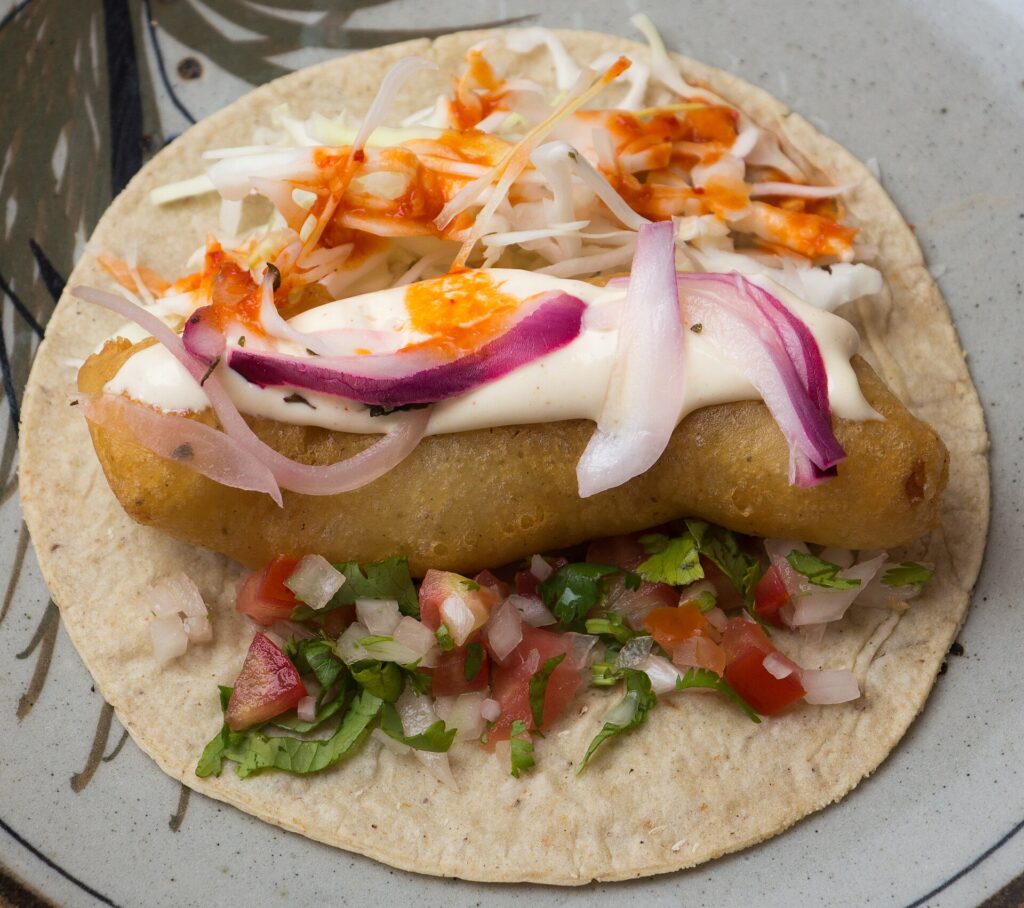
If central Mexico is corn country, Sonora is cattle and wheat country. The state sits along the Arizona border and the Gulf of California, a landscape of desert, ranches and irrigated farmland. Its cooking reflects that: beef grilled over mesquite, flour tortillas so thin you can see light through them, and a style of taco that is simple, smoky and generous.
For Texans, Sonoran food feels familiar and distinct at the same time. We share the ranching culture and the love of flour tortillas, but Sonora has its own way of doing things, and it is one of the most satisfying regional styles to explore.
Why wheat?
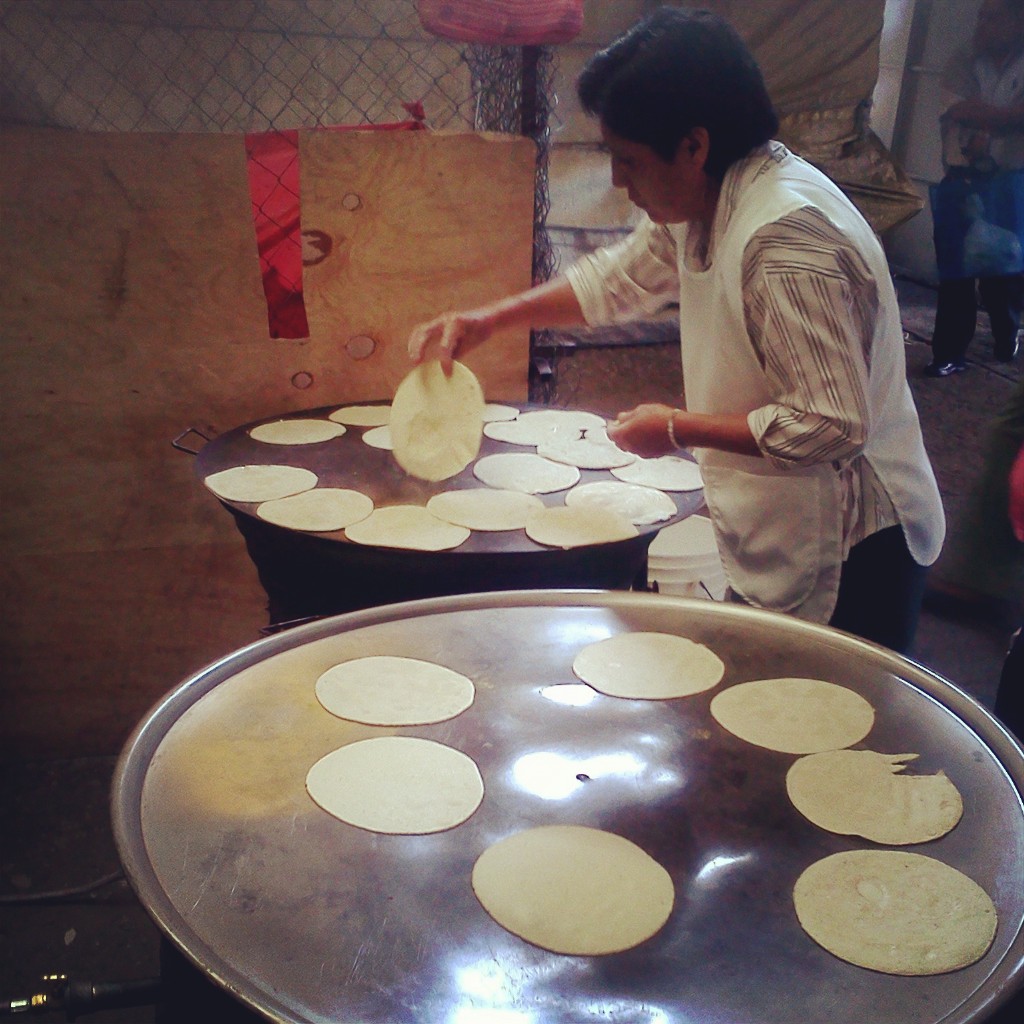
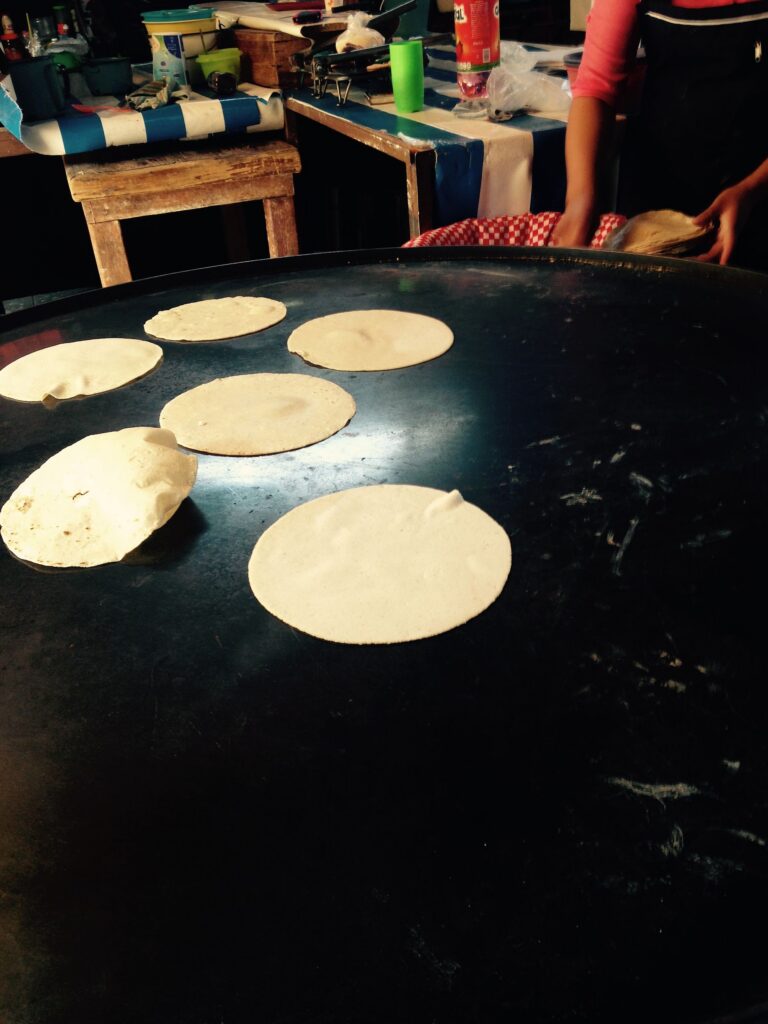
Wheat arrived with the Spanish, and it thrived in the arid north, where it grew more reliably than corn in some areas. Over centuries, flour tortillas became the everyday bread of the region. In Sonora they reach their most dramatic form in the tortilla sobaquera, stretched by hand to a diameter of a foot and a half or more, so thin it is nearly translucent. Traditionally made with lard, they are cooked briefly on a large comal and folded in quarters to serve.
Carne asada, the Sonoran way
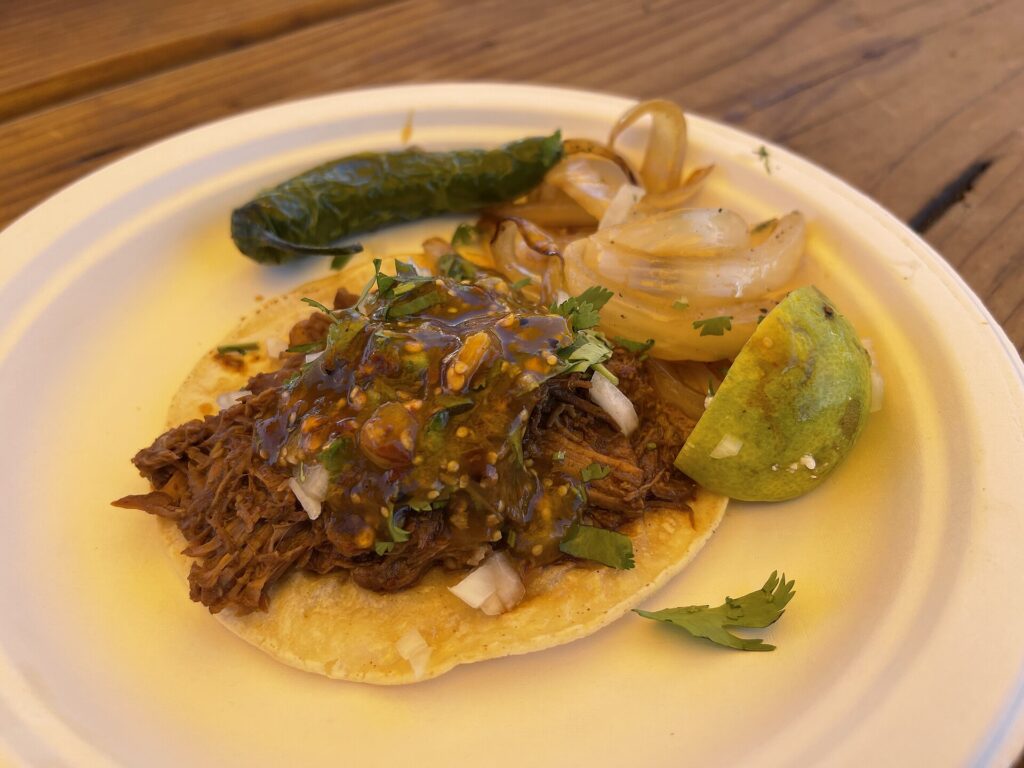
Sonoran beef has a reputation throughout Mexico, and carne asada is the regional ritual. The meat, often thin-cut arrachera (skirt) or diezmillo (chuck), is seasoned with little more than coarse salt and grilled over mesquite coals. The smoke does the rest. At taquerías in Hermosillo, the beef is chopped fresh from the grill and served on corn or flour tortillas with a spread of condiments: guacamole, salsa, grilled green onions, cucumbers and radishes.
In Sonora, the seasoning is salt and the smoke is mesquite. Everything else is a condiment.
Marcus, TacoProject
Tacos and dishes to know
- Carne asada tacos: mesquite-grilled beef on corn or flour tortillas, with a self-serve condiment bar.
- Caramelos: a flour tortilla with melted cheese and carne asada, folded like a quesadilla.
- Burros: the Sonoran burrito, a large, thin flour tortilla wrapped around beans, beef or machaca.
- Machaca: dried, shredded beef, often scrambled with egg for breakfast.
- Cahuamanta: a stew of manta ray and shrimp from the coast near Guaymas, also served in tacos.
- Sonoran hot dogs: bacon-wrapped franks with beans, tomato and mayonnaise, famous on both sides of the border.
- Coyotas: flaky, flat pastries filled with piloncillo, a specialty of Hermosillo.
The salsa bar
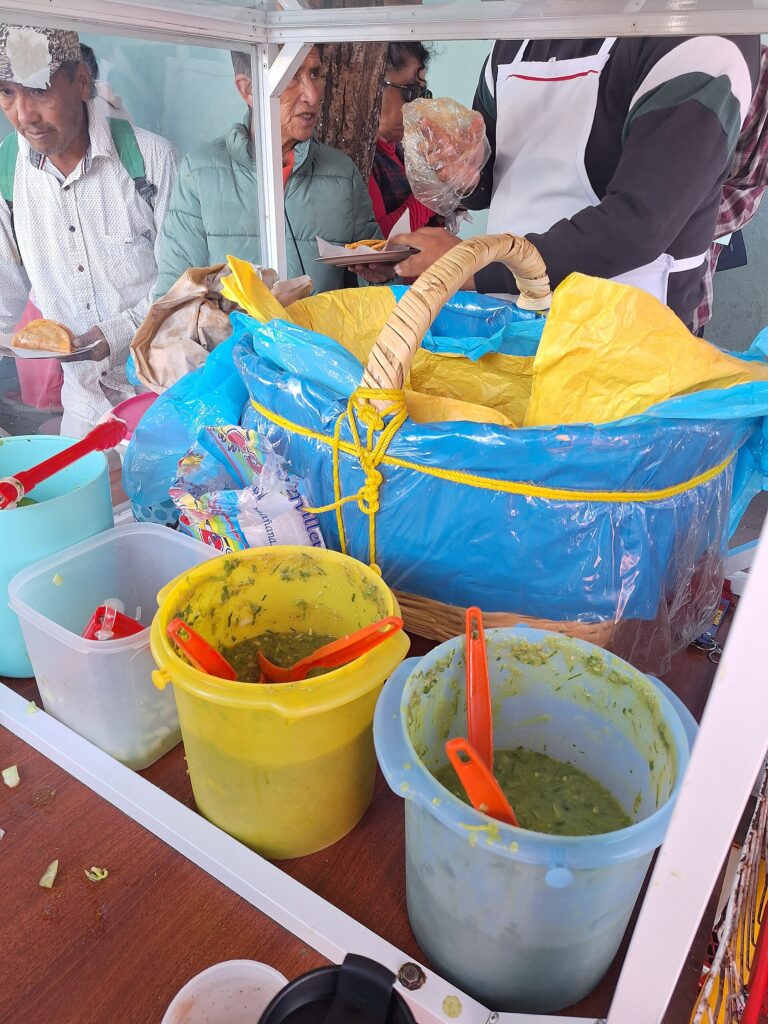
Sonoran taquerías are known for generous condiments. A creamy guacamole-style salsa, a fiery chiltepín salsa, and a thin tomato salsa are common. The chiltepín, a tiny, wild chile that grows in the Sonoran desert, is intensely hot and adored locally. If you want to cook Sonoran-style at home, the avocado salsa verde in our salsa-of-the-month series is a very close relative of what you will find at the stands, and our salsa heat guide can help you pace the chiltepín.
Sonora vs. Tex-Mex
| Sonora | Tex-Mex | |
|---|---|---|
| Tortilla | Very thin flour, sobaquera | Thicker flour, often with baking powder |
| Beef | Mesquite-grilled, salt only | Fajitas, often marinated |
| Cheese | Queso fresco, Chihuahua | Cheddar, yellow cheese |
| Signature chile | Chiltepín | Jalapeño |
How to cook Sonoran at home
- Buy good skirt steak and season generously with coarse salt 30 minutes before cooking.
- Grill over mesquite charcoal or lump charcoal with a few mesquite chunks, as hot as you can.
- Chop the beef finely right off the grill.
- Serve with thin flour tortillas, guacamole, grilled green onions and a hot salsa.
- Make caramelos with any leftovers.
For a crowd, follow our game-day carne asada taco bar, but skip the citrus marinade for a more Sonoran approach.
Sonora is just one of the regions we explore. Continue with Baja, its neighbor across the Gulf of California, or see all of our regional guides.