Hispanic Heritage Month runs from September 15 to October 15, and every year we use it as an excuse to do what we would happily do anyway: slow down and pay attention to where our favorite tacos actually come from. The word “taco” covers an enormous range of food. A breakfast taco on East Cesar Chavez and a taco de canasta sold from a bicycle basket in Coyoacán share a name and a tortilla, and not much else.
Regional cooking in Mexico is shaped by what grows nearby, who settled there, and how people earned a living. Cattle country makes different tacos than fishing towns. Lowland jungle kitchens cook differently than high-altitude cities where water boils at a lower temperature. Below are five traditions we think every taco lover should know, along with a few notes on how to taste them here in Austin.
1. Cochinita pibil from the Yucatán Peninsula
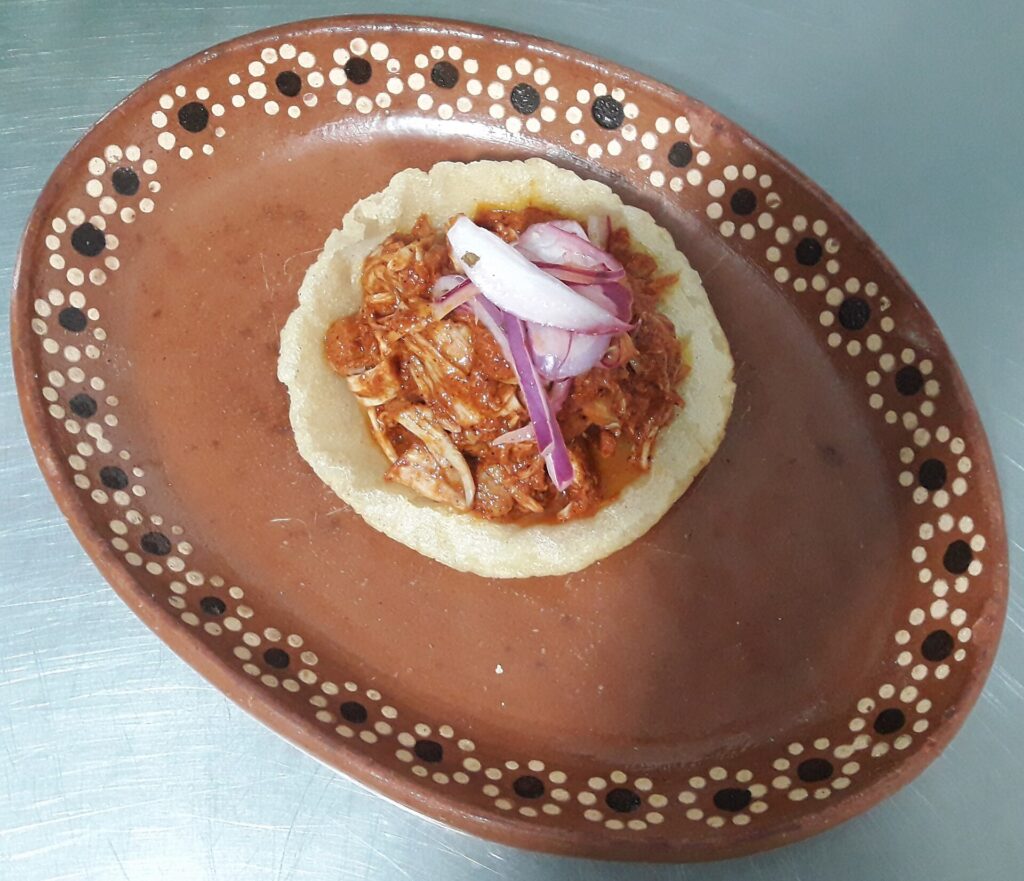

Cochinita pibil is pork marinated in achiote paste and the juice of sour oranges, wrapped in banana leaves and slow-cooked. Traditionally it was buried in a pib, an earth oven lined with hot stones, and that Maya technique gives the dish its name. The result is soft, tangy and brick red, and it is almost always served with pickled red onions and a fiery habanero salsa.
The peninsula spent much of its history more connected by sea to the Caribbean than by road to central Mexico, and you can taste that independence in the food. For more on the region, see our Yucatán regional guide.
2. Fish tacos from Baja California
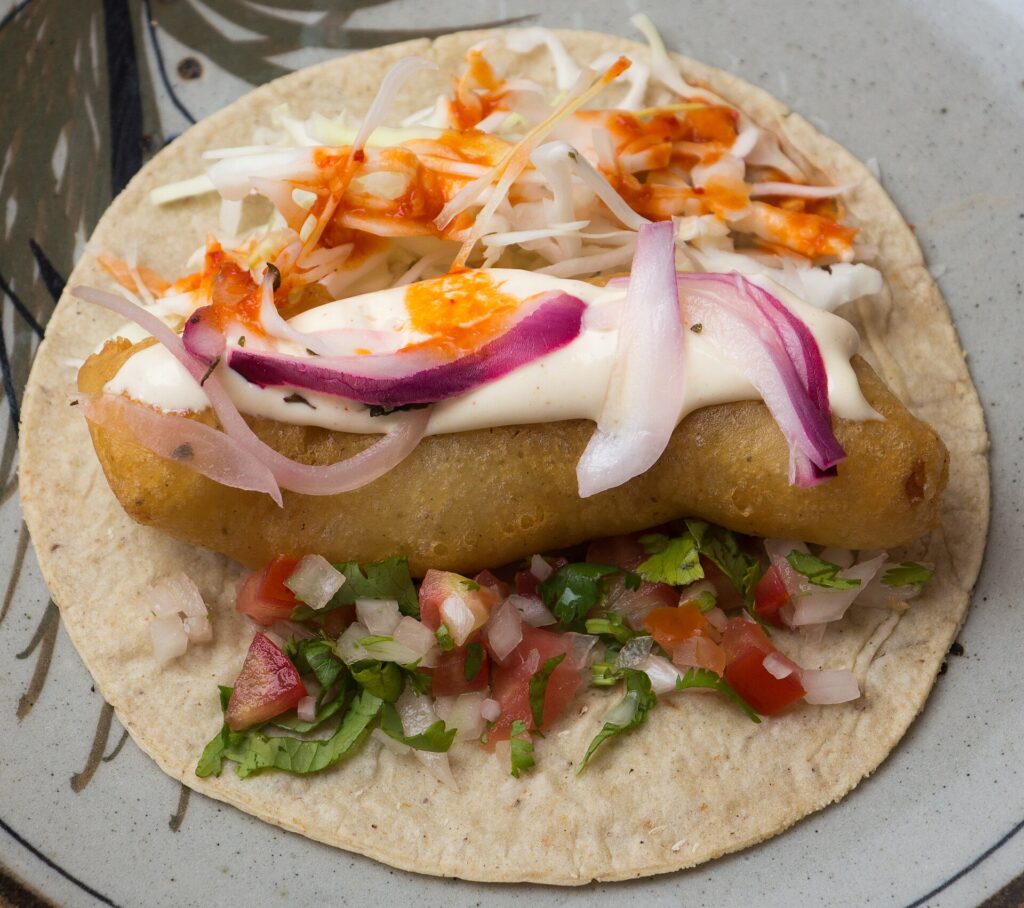

Ensenada and San Felipe are usually credited with the battered fish taco: strips of white fish in a light, beer-leavened batter, fried to order and tucked into a corn tortilla with shredded cabbage, a thin crema, and salsa. Stands along the coast set out a whole counter of toppings so you can build your own.
The batter is thought to owe something to Japanese fishermen who worked the Baja coast in the twentieth century, a reminder that regional food is rarely as simple as one origin story. Our Baja guide goes deeper into the stands, the salsas and the shrimp version.
3. Tacos al pastor from Mexico City
Al pastor is the most famous product of Lebanese immigration to Mexico. Vertical-spit shawarma arrived with immigrants in the early twentieth century, first as tacos árabes in Puebla, and over the following decades cooks in the capital swapped lamb for pork, added a chile-and-achiote marinade, and crowned the trompo with pineapple.
If you want to try it at home without a spit, our al pastor at home method gets you surprisingly close. The broader story of the capital’s taco culture lives on our Mexico City page.
Regional food is a record of who arrived, what grew, and what people did with it.
Marcus, TacoProject
4. Birria from Jalisco
Birria began as a goat stew in Jalisco, braised with dried chiles, spices and vinegar until the meat falls apart. The recent wave of crispy, cheese-filled quesabirria dipped in consommé grew out of Tijuana and then Los Angeles, but the heart of the dish is still a patient braise. Our birria de res recipe uses beef, the most common version north of the border.
5. Breakfast tacos from South Texas
We would be poor Austinites if we left this one off. The flour-tortilla breakfast taco, filled with egg, potato, chorizo, bacon or beans, is a Tejano tradition with deep roots in San Antonio and the Rio Grande Valley. It is its own regional style, not a watered-down version of anything, and it deserves the same respect as any taco on this list.
How to celebrate at home
- Cook one new region per week. Start with a dish you have never made, even if it is just a salsa.
- Make your own tortillas. Our homemade corn tortilla guide takes about 30 minutes.
- Learn the vocabulary. Our taco glossary covers everything from suadero to campechano.
- Support local cooks. Visit a family-run taquería or truck and ask what they grew up eating. Our taquería directory is a good place to start.
There are dozens more traditions we could have included, from Sonoran carne asada to Oaxacan tlayudas. We will be exploring several of them this fall, so browse the full regional styles hub and tell us which region you want covered next.