• Skip to main content

TacoProject

Taco recipes, taquería reviews and regional guides from Austin: al pastor, birria, breakfast tacos, salsas and the stories behind them.

  • Start Here
  • Recipes
  • Styles
    • Baja California
    • Tex-Mex
    • Mexico City
    • Yucatán
  • Reviews
    • The List
    • Taquerías
    • Taco Finder
  • Guides
    • Taco Glossary
    • Salsa Heat Guide
    • Party Taco Calculator
    • Taco FAQ
    • Salsa Library
  • Gallery
  • Shop
    • My Account
    • Cart
  • About
    • Events
    • Contact
    • Privacy Policy

Regional Styles

Nov 17 2026

Gallery: A Visual Tour of Mexico’s Street Taco Stands

Some of the best tacos in the world are served from a folding table, a bicycle basket or a cart parked on the same corner for thirty years. Street stands, known as puestos, are the heart of Mexico’s taco culture. They are where people grab breakfast on the way to work, lunch between errands and a late-night snack after a long evening.

This gallery collects some of our favorite images of that culture, shared by photographers under open licenses. Each tells a small story about how and where tacos are made and eaten.
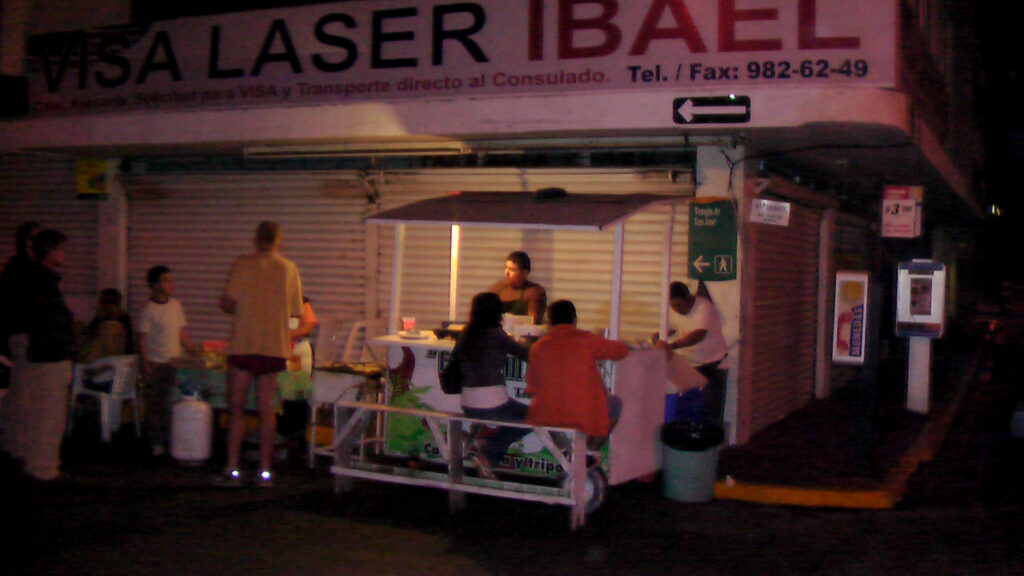
A street taco stand in Mazatlán
Photo: Rick McCharles / Wikimedia Commons (CC BY 2.0)
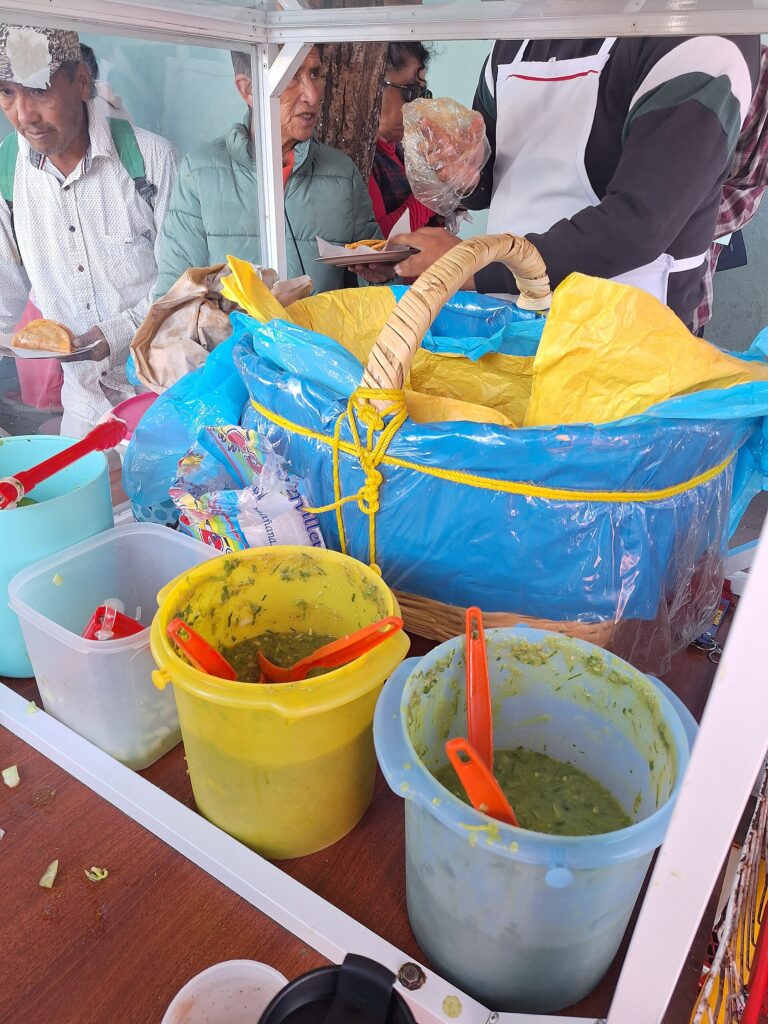
A tacos de canasta street stall
Photo: B.jars / Wikimedia Commons (CC BY-SA 4.0)
A traditional taqueria
Photo: Myyo / Wikimedia Commons (Public domain)
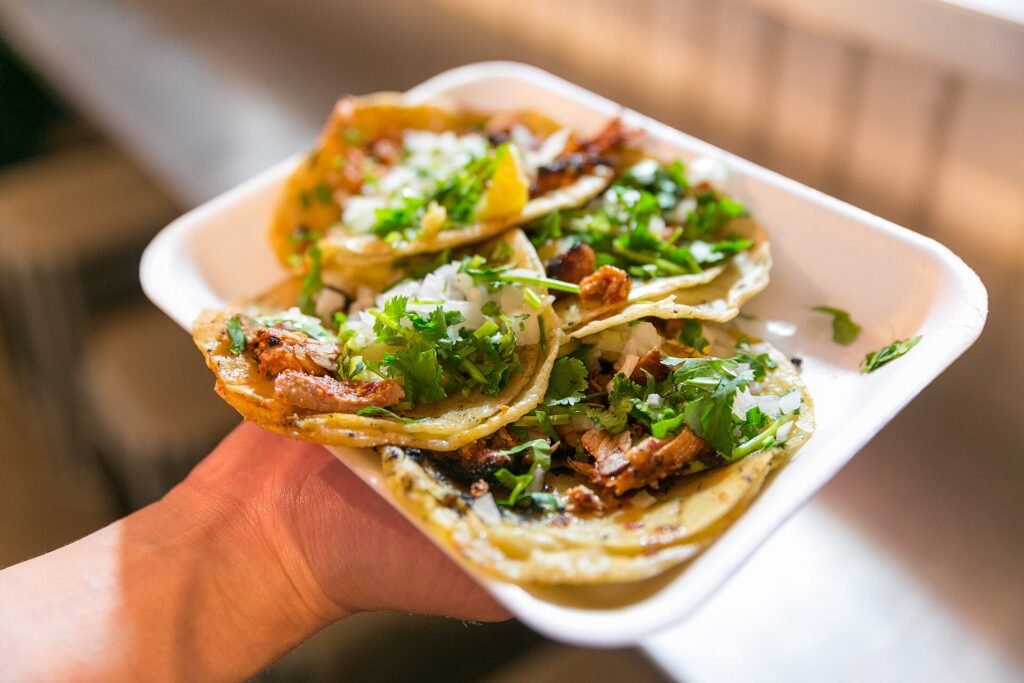
Al pastor tacos topped with pineapple, onion and cilantro
Photo: City Foodsters / Wikimedia Commons (CC BY 2.0)
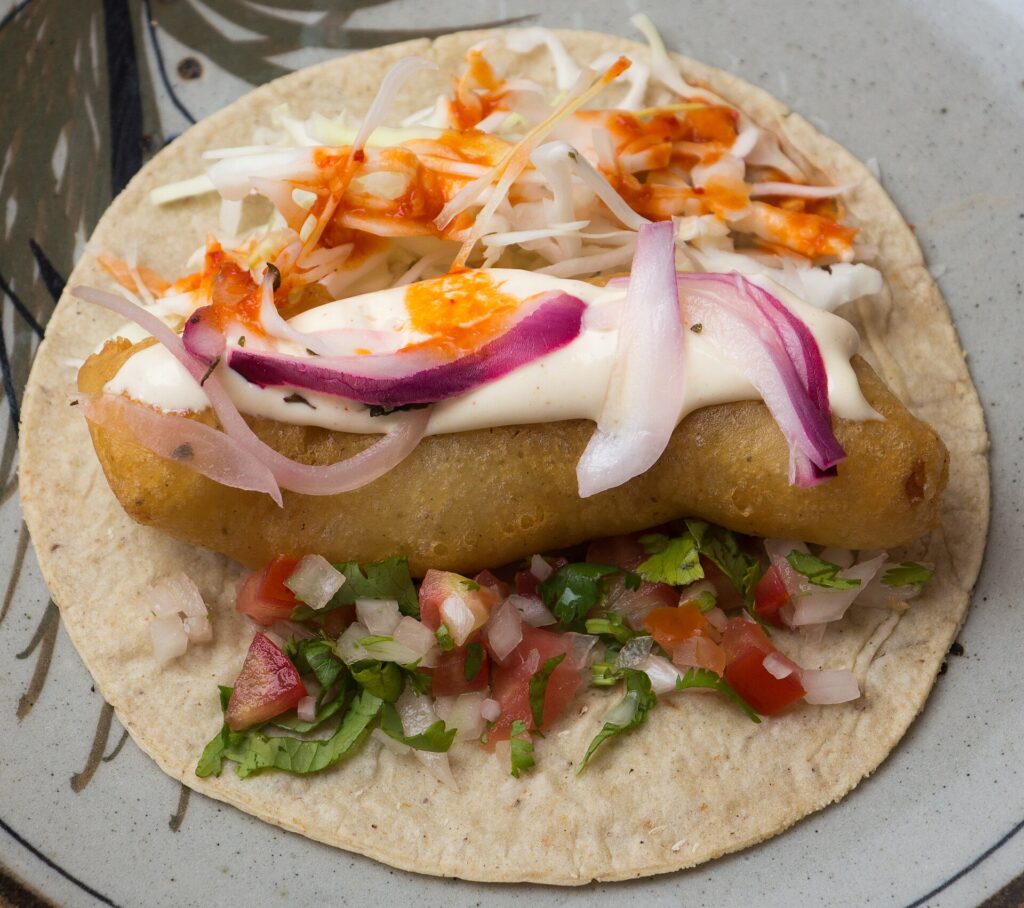
An Ensenada-style battered fish taco
Photo: Tomascastelazo / Wikimedia Commons (CC BY-SA 4.0)
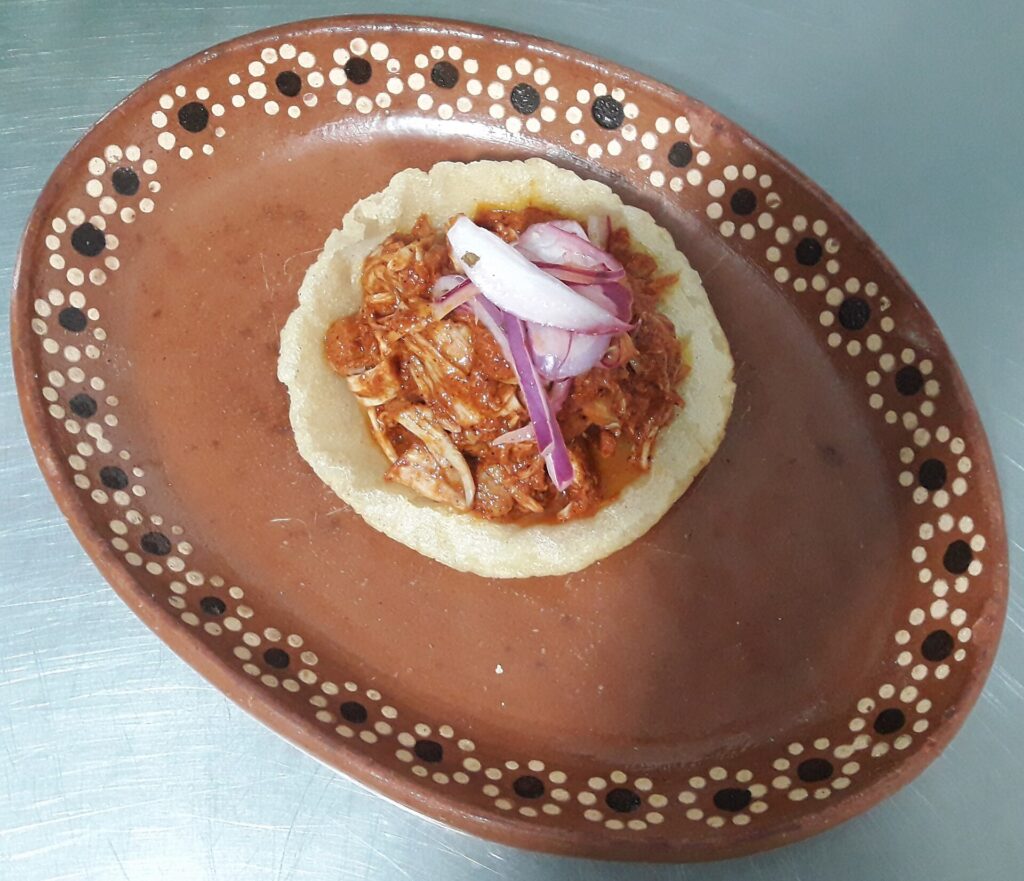
Cochinita pibil with pickled red onion
Photo: El Nuevo Doge / Wikimedia Commons (CC0)

Reading the photos

The corner stand

A classic Mazatlán street stand, with a flat-top griddle, a row of salsas and a handful of stools. Stands like this often specialize in just one or two fillings, cooked all day. In coastal Sinaloa, that might mean smoked marlin or shrimp; inland, carne asada or tripa.

Tacos de canasta

Also called tacos sudados (sweaty tacos), tacos de canasta are filled in the morning, stacked in a cloth-lined basket and left to steam in their own heat. By the time they are sold, the tortillas are soft and infused with fat and flavor. Common fillings include potato, refried beans, chicharrón in salsa and adobo. Vendors often travel by bicycle, and in Mexico City you will spot them outside offices and metro stations. Our Mexico City guide covers them in more depth.

The taquería

A step up from the street stand, the neighborhood taquería has a fixed location, a few tables and usually a longer menu. Many started as street stands and grew with their regulars.

Al pastor and the trompo

The vertical spit is one of the most recognizable sights in Mexico City’s streets, especially at night. The taquero slices meat from the spinning trompo straight onto the tortilla and flicks a piece of pineapple on top. Try our al pastor at home method for a spit-free version.

Ensenada fish tacos

In Baja California, fish taco stands fry battered fish to order and let customers load up at a counter of cabbage, crema, salsas and limes. Read our Baja guide for the whole story.

Cochinita pibil

In the Yucatán, cochinita pibil is a morning food, often sold from market stalls and sold out before lunch. The pickled red onions and habanero salsa are nonnegotiable. More in our Yucatán guide.

A street stand does one thing, every day, for years. That repetition is where greatness comes from.

Jamie, TacoProject

How stands shape the taco

It is worth pausing on how much the format of a stand shapes the food itself. A street cook has limited space, limited equipment and customers who expect to eat standing up in a few minutes. That is why street tacos are small, usually built on two stacked tortillas for strength, and filled with meats that can be held hot for hours without drying out: braises, confits, spit-roasted pork and griddled cuts kept moist in their own fat. The salsas do the customizing, and the tortilla does the rest.

The same logic applies to Austin’s trucks. A truck kitchen is a street stand on wheels, and many of the best ones in town cook exactly this way: one or two fillings done very well, a short salsa bar and a line that moves. See our October roundup of Austin taco trucks for the ones we keep going back to.

Street stand etiquette

  • Watch what the regulars order, and order that.
  • Ask for tacos by number: dos de pastor, tres de suadero.
  • Salsas are self-serve; taste a little before committing.
  • Pay at the end: tell the taquero how many tacos you had.
  • Unfamiliar terms? Keep our taco glossary handy.

Closer to home, Austin’s own truck and stand culture continues to thrive. Find our favorites in the taquería directory.
Explore regional styles
Find Austin taquerías

Written by Jamie Okafor · Categorized: Regional Styles · Tagged: Al Pastor, Fish Tacos, Mexico City, Street Food, Tacos de Canasta

Nov 06 2026

Sonora: Carne Asada, Flour Tortillas and the Tacos of the North

If central Mexico is corn country, Sonora is cattle and wheat country. The state sits along the Arizona border and the Gulf of California, a landscape of desert, ranches and irrigated farmland. Its cooking reflects that: beef grilled over mesquite, flour tortillas so thin you can see light through them, and a style of taco that is simple, smoky and generous.

For Texans, Sonoran food feels familiar and distinct at the same time. We share the ranching culture and the love of flour tortillas, but Sonora has its own way of doing things, and it is one of the most satisfying regional styles to explore.

Why wheat?

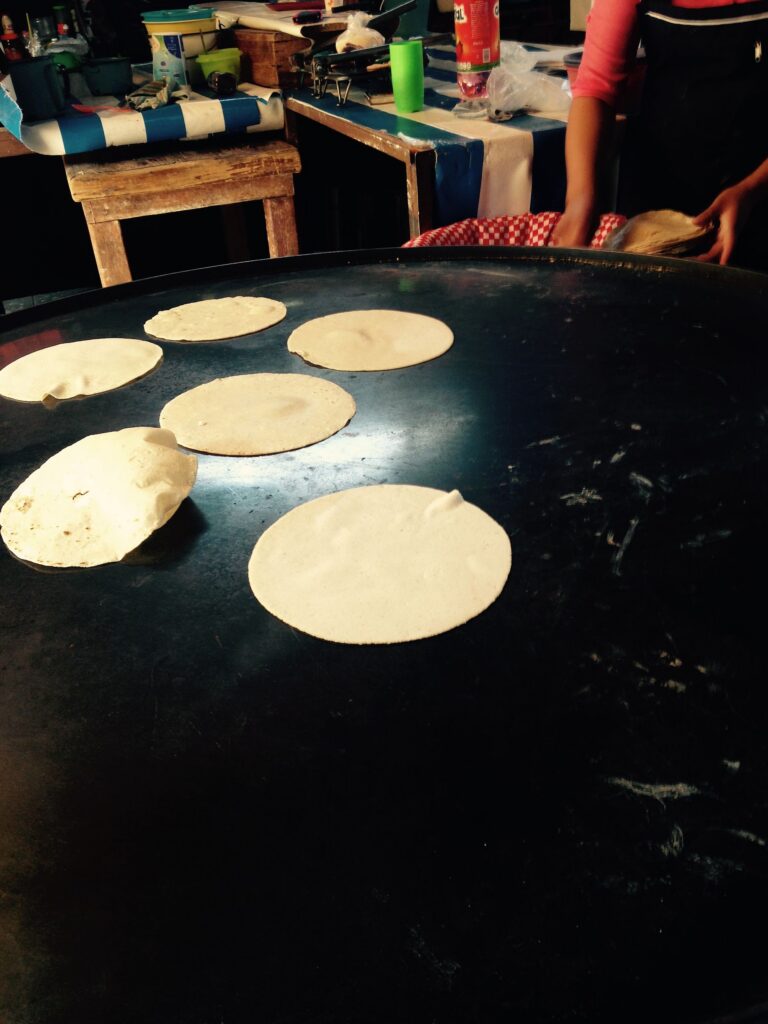
Wheat arrived with the Spanish, and it thrived in the arid north, where it grew more reliably than corn in some areas. Over centuries, flour tortillas became the everyday bread of the region. In Sonora they reach their most dramatic form in the tortilla sobaquera, stretched by hand to a diameter of a foot and a half or more, so thin it is nearly translucent. Traditionally made with lard, they are cooked briefly on a large comal and folded in quarters to serve.

Corn tortillas cooking on a comal
Photo: Artemisa Martínez / Wikimedia Commons (CC0)

Carne asada, the Sonoran way

Sonoran beef has a reputation throughout Mexico, and carne asada is the regional ritual. The meat, often thin-cut arrachera (skirt) or diezmillo (chuck), is seasoned with little more than coarse salt and grilled over mesquite coals. The smoke does the rest. At taquerías in Hermosillo, the beef is chopped fresh from the grill and served on corn or flour tortillas with a spread of condiments: guacamole, salsa, grilled green onions, cucumbers and radishes.

In Sonora, the seasoning is salt and the smoke is mesquite. Everything else is a condiment.

Marcus, TacoProject

Tacos and dishes to know

  • Carne asada tacos: mesquite-grilled beef on corn or flour tortillas, with a self-serve condiment bar.
  • Caramelos: a flour tortilla with melted cheese and carne asada, folded like a quesadilla.
  • Burros: the Sonoran burrito, a large, thin flour tortilla wrapped around beans, beef or machaca.
  • Machaca: dried, shredded beef, often scrambled with egg for breakfast.
  • Cahuamanta: a stew of manta ray and shrimp from the coast near Guaymas, also served in tacos.
  • Sonoran hot dogs: bacon-wrapped franks with beans, tomato and mayonnaise, famous on both sides of the border.
  • Coyotas: flaky, flat pastries filled with piloncillo, a specialty of Hermosillo.

The salsa bar

Sonoran taquerías are known for generous condiments. A creamy guacamole-style salsa, a fiery chiltepín salsa, and a thin tomato salsa are common. The chiltepín, a tiny, wild chile that grows in the Sonoran desert, is intensely hot and adored locally. If you want to cook Sonoran-style at home, the avocado salsa verde in our salsa-of-the-month series is a very close relative of what you will find at the stands, and our salsa heat guide can help you pace the chiltepín.

Sonora vs. Tex-Mex

SonoraTex-Mex
TortillaVery thin flour, sobaqueraThicker flour, often with baking powder
BeefMesquite-grilled, salt onlyFajitas, often marinated
CheeseQueso fresco, ChihuahuaCheddar, yellow cheese
Signature chileChiltepínJalapeño

How to cook Sonoran at home

  1. Buy good skirt steak and season generously with coarse salt 30 minutes before cooking.
  2. Grill over mesquite charcoal or lump charcoal with a few mesquite chunks, as hot as you can.
  3. Chop the beef finely right off the grill.
  4. Serve with thin flour tortillas, guacamole, grilled green onions and a hot salsa.
  5. Make caramelos with any leftovers.

For a crowd, follow our game-day carne asada taco bar, but skip the citrus marinade for a more Sonoran approach.


Sonora is just one of the regions we explore. Continue with Baja, its neighbor across the Gulf of California, or see all of our regional guides.

All regional styles

Written by Marcus Bell · Categorized: Regional Styles · Tagged: carne asada, History, Salsa, Sonora, Street Food, Tortillas

Sep 29 2026

Five Regional Taco Traditions to Know This Hispanic Heritage Month

Hispanic Heritage Month runs from September 15 to October 15, and every year we use it as an excuse to do what we would happily do anyway: slow down and pay attention to where our favorite tacos actually come from. The word “taco” covers an enormous range of food. A breakfast taco on East Cesar Chavez and a taco de canasta sold from a bicycle basket in Coyoacán share a name and a tortilla, and not much else.

Regional cooking in Mexico is shaped by what grows nearby, who settled there, and how people earned a living. Cattle country makes different tacos than fishing towns. Lowland jungle kitchens cook differently than high-altitude cities where water boils at a lower temperature. Below are five traditions we think every taco lover should know, along with a few notes on how to taste them here in Austin.

1. Cochinita pibil from the Yucatán Peninsula

Cochinita pibil with pickled red onion
Photo: El Nuevo Doge / Wikimedia Commons (CC0)

Cochinita pibil is pork marinated in achiote paste and the juice of sour oranges, wrapped in banana leaves and slow-cooked. Traditionally it was buried in a pib, an earth oven lined with hot stones, and that Maya technique gives the dish its name. The result is soft, tangy and brick red, and it is almost always served with pickled red onions and a fiery habanero salsa.

The peninsula spent much of its history more connected by sea to the Caribbean than by road to central Mexico, and you can taste that independence in the food. For more on the region, see our Yucatán regional guide.

2. Fish tacos from Baja California

An Ensenada-style battered fish taco
Photo: Tomascastelazo / Wikimedia Commons (CC BY-SA 4.0)

Ensenada and San Felipe are usually credited with the battered fish taco: strips of white fish in a light, beer-leavened batter, fried to order and tucked into a corn tortilla with shredded cabbage, a thin crema, and salsa. Stands along the coast set out a whole counter of toppings so you can build your own.

The batter is thought to owe something to Japanese fishermen who worked the Baja coast in the twentieth century, a reminder that regional food is rarely as simple as one origin story. Our Baja guide goes deeper into the stands, the salsas and the shrimp version.

3. Tacos al pastor from Mexico City

Al pastor is the most famous product of Lebanese immigration to Mexico. Vertical-spit shawarma arrived with immigrants in the early twentieth century, first as tacos árabes in Puebla, and over the following decades cooks in the capital swapped lamb for pork, added a chile-and-achiote marinade, and crowned the trompo with pineapple.

If you want to try it at home without a spit, our al pastor at home method gets you surprisingly close. The broader story of the capital’s taco culture lives on our Mexico City page.

Regional food is a record of who arrived, what grew, and what people did with it.

Marcus, TacoProject

4. Birria from Jalisco

Birria began as a goat stew in Jalisco, braised with dried chiles, spices and vinegar until the meat falls apart. The recent wave of crispy, cheese-filled quesabirria dipped in consommé grew out of Tijuana and then Los Angeles, but the heart of the dish is still a patient braise. Our birria de res recipe uses beef, the most common version north of the border.

5. Breakfast tacos from South Texas

We would be poor Austinites if we left this one off. The flour-tortilla breakfast taco, filled with egg, potato, chorizo, bacon or beans, is a Tejano tradition with deep roots in San Antonio and the Rio Grande Valley. It is its own regional style, not a watered-down version of anything, and it deserves the same respect as any taco on this list.


How to celebrate at home

  • Cook one new region per week. Start with a dish you have never made, even if it is just a salsa.
  • Make your own tortillas. Our homemade corn tortilla guide takes about 30 minutes.
  • Learn the vocabulary. Our taco glossary covers everything from suadero to campechano.
  • Support local cooks. Visit a family-run taquería or truck and ask what they grew up eating. Our taquería directory is a good place to start.

There are dozens more traditions we could have included, from Sonoran carne asada to Oaxacan tlayudas. We will be exploring several of them this fall, so browse the full regional styles hub and tell us which region you want covered next.

Explore regional styles

Written by Marcus Bell · Categorized: Regional Styles, Taco History · Tagged: Baja, History, Mexico City, Street Food, Yucatán

Feb 10 2026

Cochinita Pibil and the Tacos of Yucatán

The Yucatán peninsula has a cuisine all its own, shaped by Maya traditions, Spanish ingredients, and Caribbean trade. Its most famous dish is cochinita pibil: pork marinated in achiote and sour orange, wrapped in banana leaves, and slow-roasted until it pulls apart with a fork.

Cochinita pibil with pickled red onion
Photo: El Nuevo Doge / Wikimedia Commons (CC0)

The name

Cochinita means little pig (traditionally a suckling pig). Pibil comes from the Yucatec Maya word pib, an underground earth oven. A pit is dug, lined with stones, and a fire is built until the stones are glowing hot. The wrapped meat goes in, the pit is covered, and hours later dinner emerges smoky and tender.

The flavors

  • Achiote (annatto): the seeds of the achiote tree, ground into a brick-red paste (recado rojo) with spices such as cumin, oregano, black pepper, and allspice. It gives cochinita its color and earthy flavor.
  • Naranja agria (sour orange): a bitter, tart citrus common in Yucatecan cooking. Outside the region, cooks often approximate it with a mix of orange and lime juice, sometimes with a splash of vinegar.
  • Banana leaves: wrapped around the meat to keep it moist and add a subtle, grassy aroma.

Serving it

Cochinita is served in tacos, tortas, and panuchos (fried tortillas stuffed with black beans). The essential topping is cebolla morada encurtida, red onion pickled in sour orange, usually with a fiery slice of habanero, the chile most associated with the peninsula. Sunday mornings in Mérida often mean a cochinita torta and a cold drink.

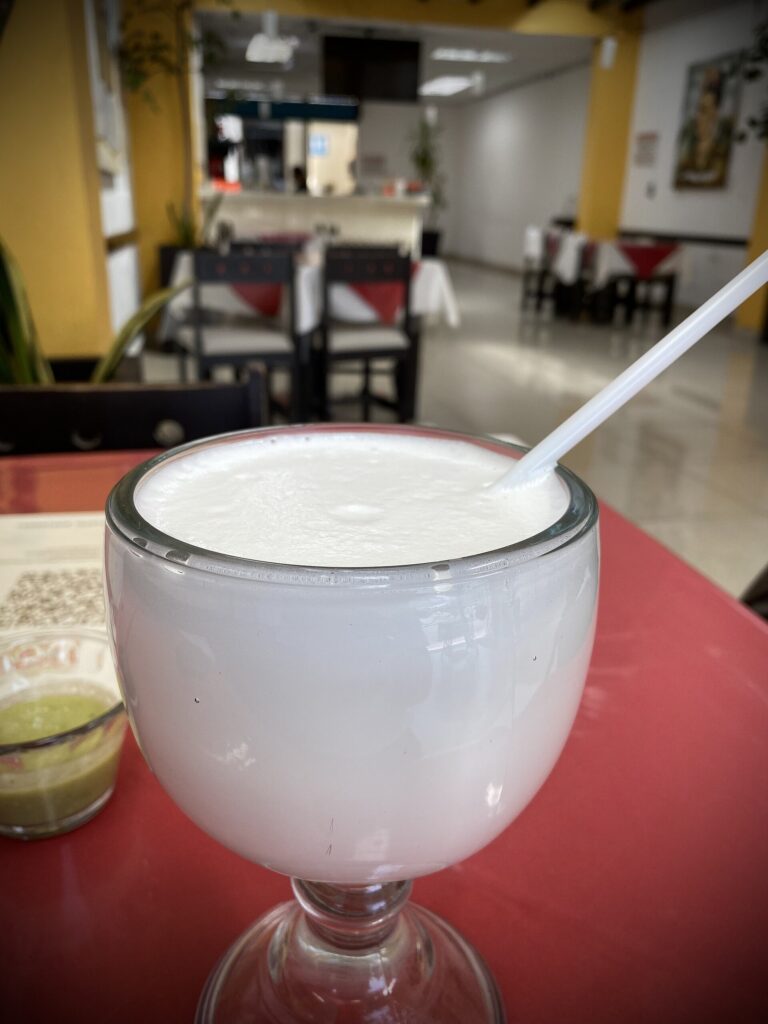
A glass of horchata
Photo: Sharon Hahn Darlin / Wikimedia Commons (CC BY 2.0)

Other Yucatecan dishes worth hunting down: poc chuc (citrus-marinated grilled pork), relleno negro (turkey in a black chile paste), and sopa de lima. Browse more regional styles.

Related

  • Regional guide: Yucatán tacos
  • Where to eat them: Cochinita Doña Chuy

Written by Marcus Bell · Categorized: Regional Styles, Taco History · Tagged: History, Slow Cooked, Spicy, Yucatán

Nov 19 2025

Tacos de Canasta: Mexico City’s Sweaty Basket Tacos

If you have spent a morning in Mexico City, you have probably seen a bicycle with a big wicker basket strapped to the back, wrapped in blue plastic and cloth, and a vendor calling out tacos de canasta. Inside are dozens of small, soft tacos, stacked and steaming. Their nickname, tacos sudados (“sweaty tacos”), explains the texture perfectly.

Tacos de canasta in Coyoacán
Photo: Jorge A. Ramos Ruiz / Wikimedia Commons (CC BY-SA 4.0)
[Read more…] about Tacos de Canasta: Mexico City’s Sweaty Basket Tacos

Written by Marcus Bell · Categorized: Regional Styles · Tagged: Mexico City, Street Food, Vegetarian

Sep 02 2025

タコス in Tokyo: Taco Culture in Japan

Japan’s relationship with tacos started in an unexpected place: Okinawa. In 1984, a restaurant owner in the town of Kin created タコライス (taco rice), serving seasoned ground beef, lettuce, cheese and tomato over a bowl of rice. It was inspired by tacos popular with American service members stationed nearby, and it is now a beloved Okinawan comfort food.

東京では、近年タコスの人気が高まっています。手作りのトルティーヤを使うタケリアも増えてきました。

In Tokyo, tacos have grown more popular in recent years, and more taquerias are making their own tortillas.

A traditional taqueria
Photo: Myyo / Wikimedia Commons (Public domain)

What to expect / 期待できること

  • タコライス (taco rice) in Okinawa, everywhere from diners to convenience stores
  • Small, carefully made tacos with Japanese ingredients, such as 照り焼き (teriyaki) chicken or 天ぷら (tempura) fish
  • Imported dried chiles and masa harina at specialty grocers
  • サルサ (salsa) that is usually milder than in Mexico, but often made with great care

タコスは、みんなで楽しむ食べ物です。

Tacos are food for everyone to enjoy together.

A Tokyo taco shop owner

Useful phrases / 便利なフレーズ

English日本語Romaji
Two tacos, pleaseタコスを二つくださいTakosu o futatsu kudasai
Is it spicy?辛いですか?Karai desu ka?
Delicious!おいしい!Oishii!

Written by Elena Ruiz · Categorized: Regional Styles · Tagged: Street Food, Tortillas

  • Page 1
  • Page 2
  • Go to Next Page »
  • About
  • Contact
  • FAQ
  • Taco Glossary
  • Privacy Policy

Copyright © 2026 · Altitude Pro on Genesis Framework · WordPress · Log in