If you have spent a morning in Mexico City, you have probably seen a bicycle with a big wicker basket strapped to the back, wrapped in blue plastic and cloth, and a vendor calling out tacos de canasta. Inside are dozens of small, soft tacos, stacked and steaming. Their nickname, tacos sudados (“sweaty tacos”), explains the texture perfectly.


How they are made
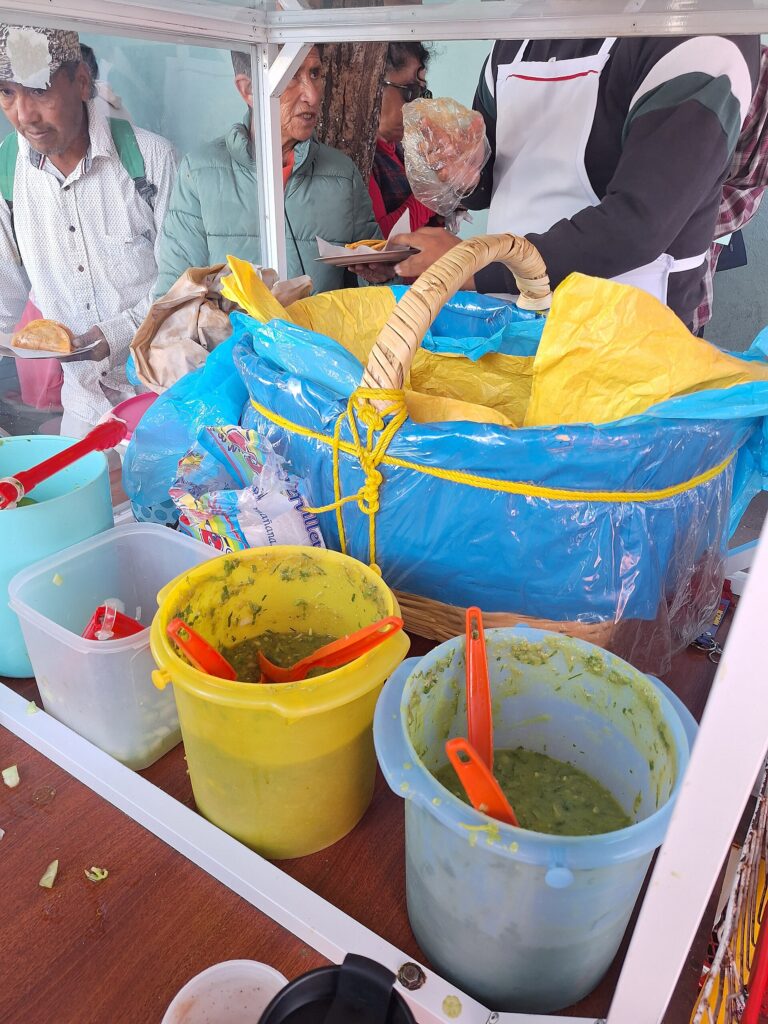
The tacos are prepared in the early morning. Small corn tortillas are filled, folded, and dipped or brushed with hot fat, often a mix of lard or oil with onion and dried chile, then packed tightly into a basket lined with cloth and plastic. The residual heat and trapped steam keep them warm for hours and soften the tortillas into a tender, almost silky texture. By the time they reach the street, they are ready to eat.
Classic fillings
- Papa: mashed potato, sometimes with chorizo or chile
- Frijoles: refried beans
- Chicharrón prensado: pressed pork cracklings in a chile sauce
- Adobo: pork in red chile adobo
- Mole verde or mole rojo, depending on the vendor

How to eat them
Tacos de canasta are cheap and small, so you order several. The vendor hands them over on a plate or paper, and you top them with salsa verde, pickled chiles, or a creamy guacamole-style salsa. Many are eaten as breakfast or a mid-morning snack. The town of San Vicente Xiloxochitla in Tlaxcala is widely credited as a source of many of the city’s canasta vendors, a tradition passed through families.
Potato and bean versions make this one of the most vegetarian-friendly street tacos in the capital. Explore more regional styles or search for Mexico City tacos.