• Skip to main content

TacoProject

Taco recipes, taquería reviews and regional guides from Austin: al pastor, birria, breakfast tacos, salsas and the stories behind them.

  • Start Here
  • Recipes
  • Styles
    • Baja California
    • Tex-Mex
    • Mexico City
    • Yucatán
  • Reviews
    • The List
    • Taquerías
    • Taco Finder
  • Guides
    • Taco Glossary
    • Salsa Heat Guide
    • Party Taco Calculator
    • Taco FAQ
    • Salsa Library
  • Gallery
  • Shop
    • My Account
    • Cart
  • About
    • Events
    • Contact
    • Privacy Policy

Street Food

Nov 17 2026

Gallery: A Visual Tour of Mexico’s Street Taco Stands

Some of the best tacos in the world are served from a folding table, a bicycle basket or a cart parked on the same corner for thirty years. Street stands, known as puestos, are the heart of Mexico’s taco culture. They are where people grab breakfast on the way to work, lunch between errands and a late-night snack after a long evening.

This gallery collects some of our favorite images of that culture, shared by photographers under open licenses. Each tells a small story about how and where tacos are made and eaten.
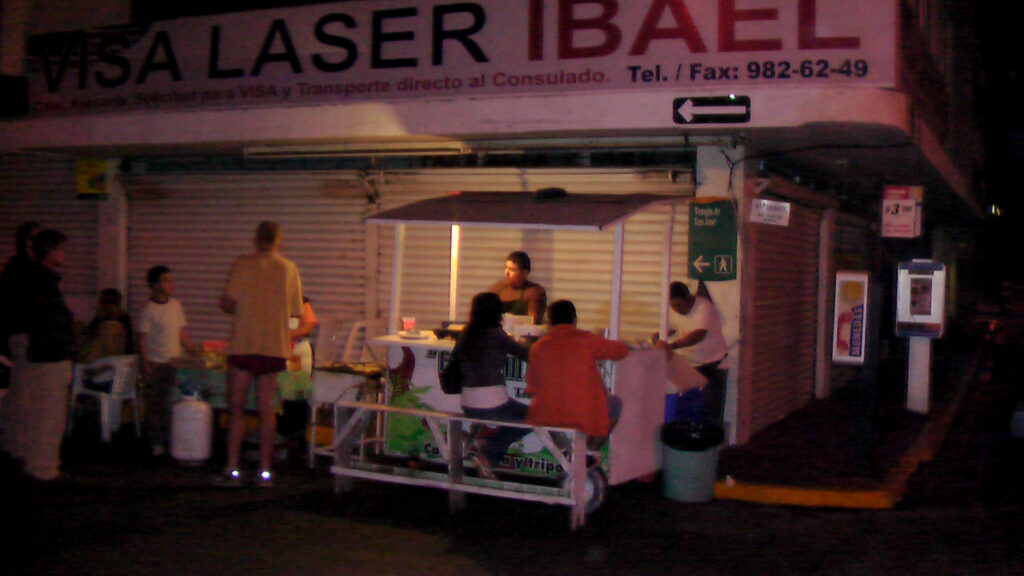
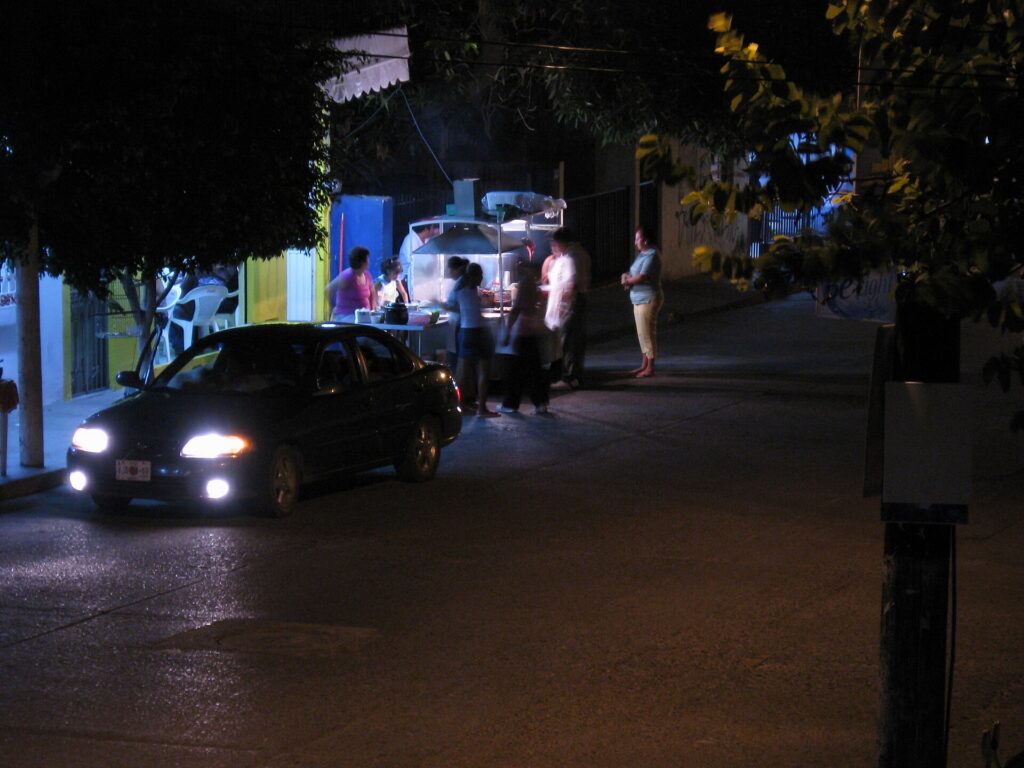
A street taco stand in Mazatlán
Photo: Rick McCharles / Wikimedia Commons (CC BY 2.0)
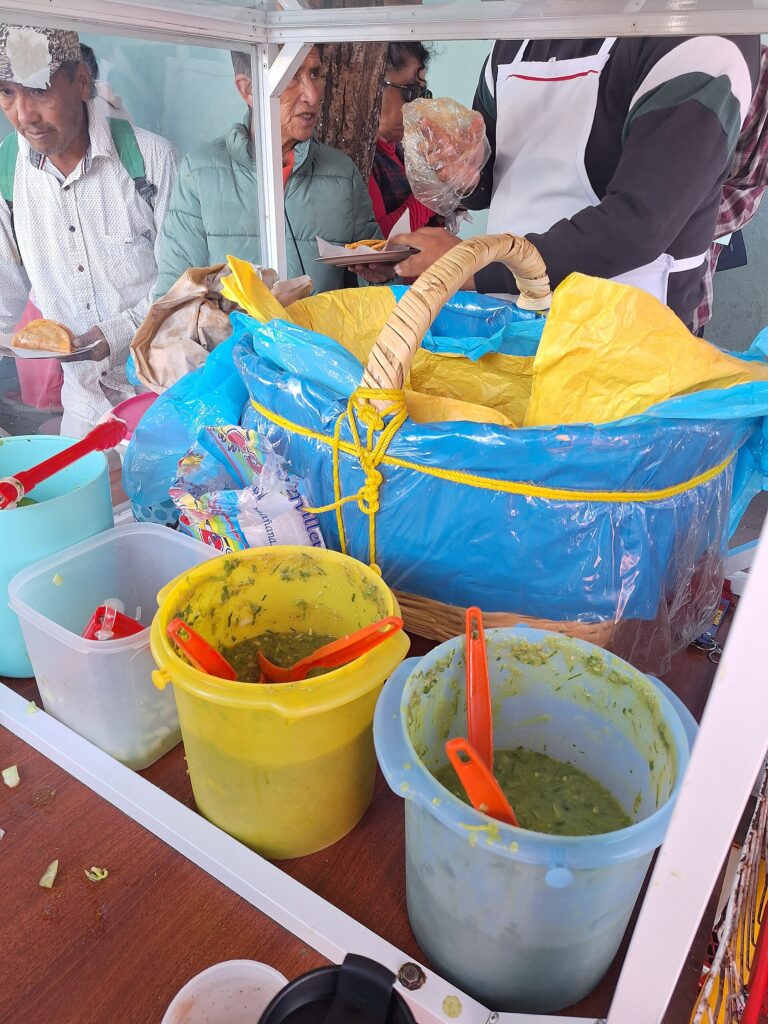
A tacos de canasta street stall
Photo: B.jars / Wikimedia Commons (CC BY-SA 4.0)
A traditional taqueria
Photo: Myyo / Wikimedia Commons (Public domain)
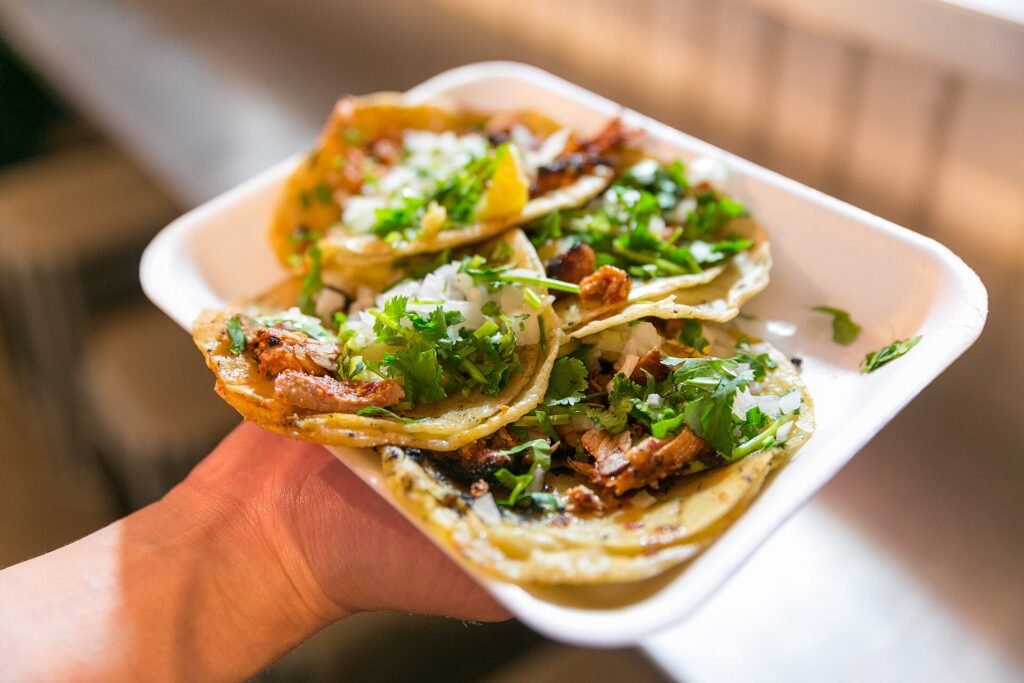
Al pastor tacos topped with pineapple, onion and cilantro
Photo: City Foodsters / Wikimedia Commons (CC BY 2.0)
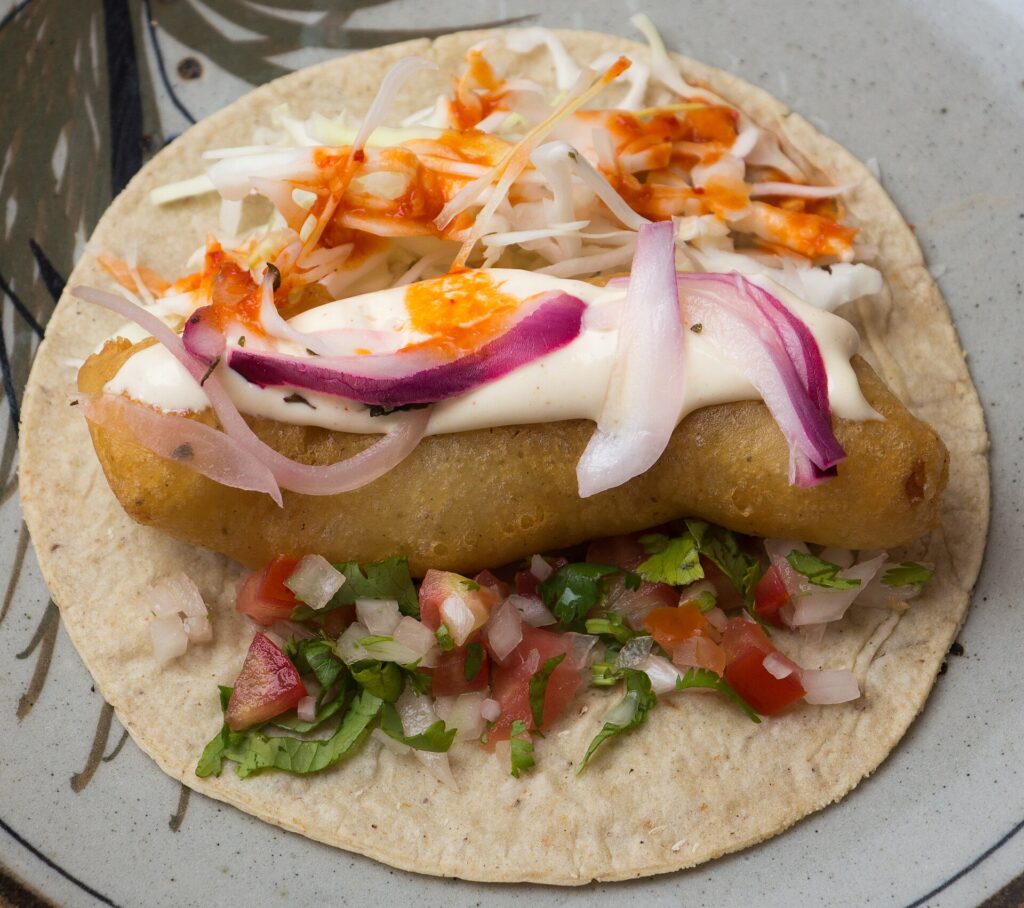
An Ensenada-style battered fish taco
Photo: Tomascastelazo / Wikimedia Commons (CC BY-SA 4.0)
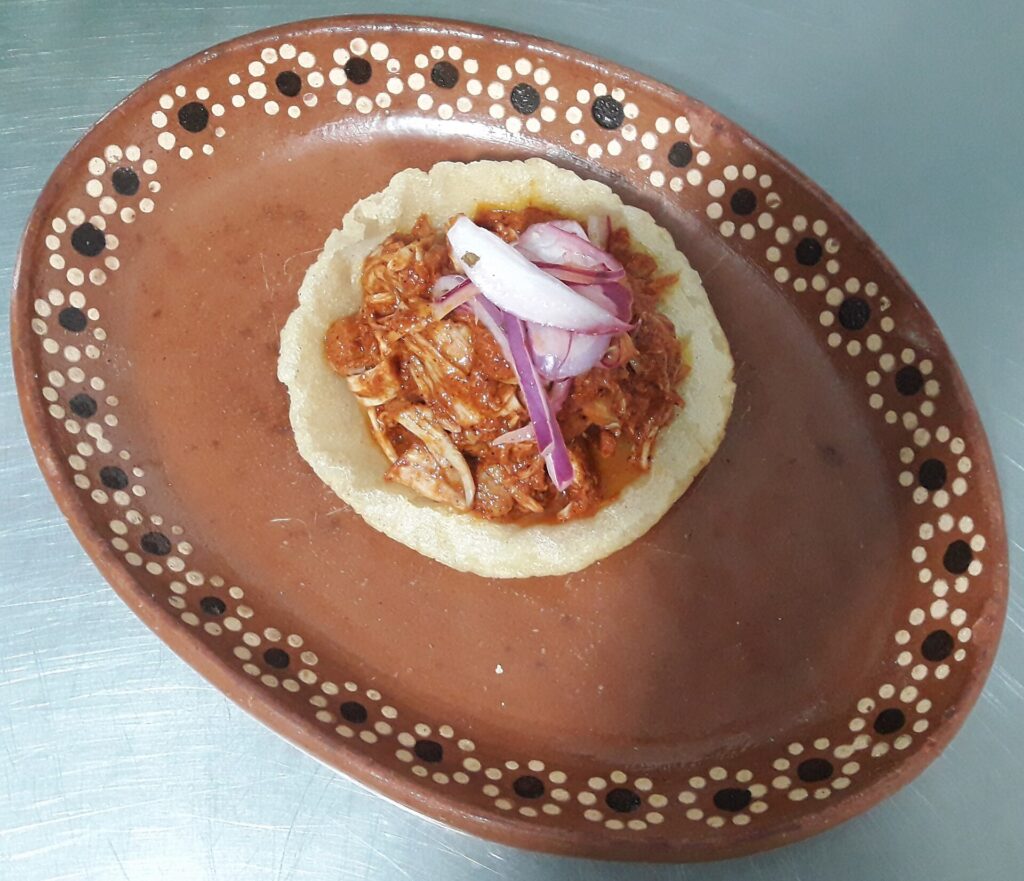
Cochinita pibil with pickled red onion
Photo: El Nuevo Doge / Wikimedia Commons (CC0)

Reading the photos

The corner stand

A classic Mazatlán street stand, with a flat-top griddle, a row of salsas and a handful of stools. Stands like this often specialize in just one or two fillings, cooked all day. In coastal Sinaloa, that might mean smoked marlin or shrimp; inland, carne asada or tripa.

Tacos de canasta

Also called tacos sudados (sweaty tacos), tacos de canasta are filled in the morning, stacked in a cloth-lined basket and left to steam in their own heat. By the time they are sold, the tortillas are soft and infused with fat and flavor. Common fillings include potato, refried beans, chicharrón in salsa and adobo. Vendors often travel by bicycle, and in Mexico City you will spot them outside offices and metro stations. Our Mexico City guide covers them in more depth.

The taquería

A step up from the street stand, the neighborhood taquería has a fixed location, a few tables and usually a longer menu. Many started as street stands and grew with their regulars.

Al pastor and the trompo

The vertical spit is one of the most recognizable sights in Mexico City’s streets, especially at night. The taquero slices meat from the spinning trompo straight onto the tortilla and flicks a piece of pineapple on top. Try our al pastor at home method for a spit-free version.

Ensenada fish tacos

In Baja California, fish taco stands fry battered fish to order and let customers load up at a counter of cabbage, crema, salsas and limes. Read our Baja guide for the whole story.

Cochinita pibil

In the Yucatán, cochinita pibil is a morning food, often sold from market stalls and sold out before lunch. The pickled red onions and habanero salsa are nonnegotiable. More in our Yucatán guide.

A street stand does one thing, every day, for years. That repetition is where greatness comes from.

Jamie, TacoProject

How stands shape the taco

It is worth pausing on how much the format of a stand shapes the food itself. A street cook has limited space, limited equipment and customers who expect to eat standing up in a few minutes. That is why street tacos are small, usually built on two stacked tortillas for strength, and filled with meats that can be held hot for hours without drying out: braises, confits, spit-roasted pork and griddled cuts kept moist in their own fat. The salsas do the customizing, and the tortilla does the rest.

The same logic applies to Austin’s trucks. A truck kitchen is a street stand on wheels, and many of the best ones in town cook exactly this way: one or two fillings done very well, a short salsa bar and a line that moves. See our October roundup of Austin taco trucks for the ones we keep going back to.

Street stand etiquette

  • Watch what the regulars order, and order that.
  • Ask for tacos by number: dos de pastor, tres de suadero.
  • Salsas are self-serve; taste a little before committing.
  • Pay at the end: tell the taquero how many tacos you had.
  • Unfamiliar terms? Keep our taco glossary handy.

Closer to home, Austin’s own truck and stand culture continues to thrive. Find our favorites in the taquería directory.
Explore regional styles
Find Austin taquerías

Written by Jamie Okafor · Categorized: Regional Styles · Tagged: Al Pastor, Fish Tacos, Mexico City, Street Food, Tacos de Canasta

Nov 06 2026

Sonora: Carne Asada, Flour Tortillas and the Tacos of the North

If central Mexico is corn country, Sonora is cattle and wheat country. The state sits along the Arizona border and the Gulf of California, a landscape of desert, ranches and irrigated farmland. Its cooking reflects that: beef grilled over mesquite, flour tortillas so thin you can see light through them, and a style of taco that is simple, smoky and generous.

For Texans, Sonoran food feels familiar and distinct at the same time. We share the ranching culture and the love of flour tortillas, but Sonora has its own way of doing things, and it is one of the most satisfying regional styles to explore.

Why wheat?

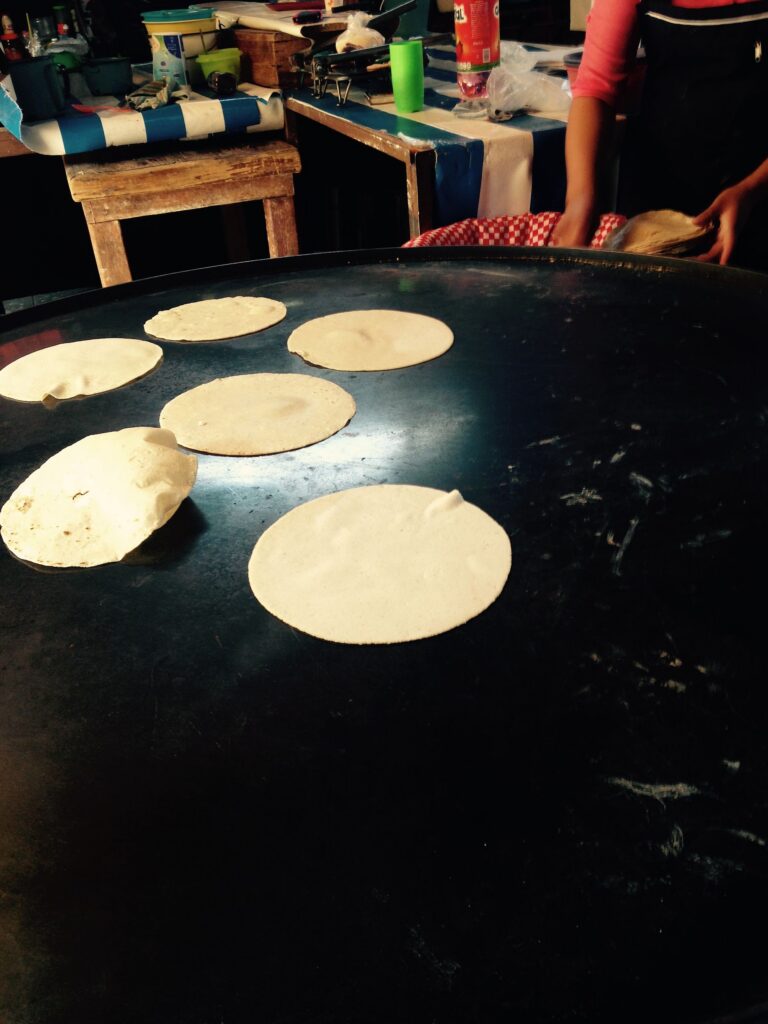
Wheat arrived with the Spanish, and it thrived in the arid north, where it grew more reliably than corn in some areas. Over centuries, flour tortillas became the everyday bread of the region. In Sonora they reach their most dramatic form in the tortilla sobaquera, stretched by hand to a diameter of a foot and a half or more, so thin it is nearly translucent. Traditionally made with lard, they are cooked briefly on a large comal and folded in quarters to serve.

Corn tortillas cooking on a comal
Photo: Artemisa Martínez / Wikimedia Commons (CC0)

Carne asada, the Sonoran way

Sonoran beef has a reputation throughout Mexico, and carne asada is the regional ritual. The meat, often thin-cut arrachera (skirt) or diezmillo (chuck), is seasoned with little more than coarse salt and grilled over mesquite coals. The smoke does the rest. At taquerías in Hermosillo, the beef is chopped fresh from the grill and served on corn or flour tortillas with a spread of condiments: guacamole, salsa, grilled green onions, cucumbers and radishes.

In Sonora, the seasoning is salt and the smoke is mesquite. Everything else is a condiment.

Marcus, TacoProject

Tacos and dishes to know

  • Carne asada tacos: mesquite-grilled beef on corn or flour tortillas, with a self-serve condiment bar.
  • Caramelos: a flour tortilla with melted cheese and carne asada, folded like a quesadilla.
  • Burros: the Sonoran burrito, a large, thin flour tortilla wrapped around beans, beef or machaca.
  • Machaca: dried, shredded beef, often scrambled with egg for breakfast.
  • Cahuamanta: a stew of manta ray and shrimp from the coast near Guaymas, also served in tacos.
  • Sonoran hot dogs: bacon-wrapped franks with beans, tomato and mayonnaise, famous on both sides of the border.
  • Coyotas: flaky, flat pastries filled with piloncillo, a specialty of Hermosillo.

The salsa bar

Sonoran taquerías are known for generous condiments. A creamy guacamole-style salsa, a fiery chiltepín salsa, and a thin tomato salsa are common. The chiltepín, a tiny, wild chile that grows in the Sonoran desert, is intensely hot and adored locally. If you want to cook Sonoran-style at home, the avocado salsa verde in our salsa-of-the-month series is a very close relative of what you will find at the stands, and our salsa heat guide can help you pace the chiltepín.

Sonora vs. Tex-Mex

SonoraTex-Mex
TortillaVery thin flour, sobaqueraThicker flour, often with baking powder
BeefMesquite-grilled, salt onlyFajitas, often marinated
CheeseQueso fresco, ChihuahuaCheddar, yellow cheese
Signature chileChiltepínJalapeño

How to cook Sonoran at home

  1. Buy good skirt steak and season generously with coarse salt 30 minutes before cooking.
  2. Grill over mesquite charcoal or lump charcoal with a few mesquite chunks, as hot as you can.
  3. Chop the beef finely right off the grill.
  4. Serve with thin flour tortillas, guacamole, grilled green onions and a hot salsa.
  5. Make caramelos with any leftovers.

For a crowd, follow our game-day carne asada taco bar, but skip the citrus marinade for a more Sonoran approach.


Sonora is just one of the regions we explore. Continue with Baja, its neighbor across the Gulf of California, or see all of our regional guides.

All regional styles

Written by Marcus Bell · Categorized: Regional Styles · Tagged: carne asada, History, Salsa, Sonora, Street Food, Tortillas

Nov 03 2026

Stop Drowning Your Tacos: The Case for Restraint

I want to talk about the taco I was served last week. It was on a menu at a popular spot I will not name, and it had, by my count, nine components: braised short rib, pickled fresno chiles, cotija, a chipotle aioli, a mango salsa, crispy shallots, microgreens, a drizzle of balsamic reduction and a scattering of sesame seeds. It cost $8. It was fine. I could not tell you what the short rib tasted like.

This is not a rant against creativity. I love a thoughtful, modern taco as much as anyone. But I think we have developed a habit, especially in the United States, of assuming that more means better. It usually does not.

The taco is a system, not a pile

Look at the taco al pastor as it is served at a good stand in Mexico City: a small corn tortilla, a few slices of marinated pork from the trompo, a sliver of pineapple, chopped onion and cilantro, and a spoonful of salsa. Every element has a job. The onion adds crunch and bite, the cilantro freshness, the pineapple acidity and sweetness, the salsa heat. Nothing is there for decoration. Remove any one and the taco suffers; add three more and it collapses.

A great taco is not built by adding. It is built by knowing what to leave out.

Elena, TacoProject

Where it goes wrong

  • Too many sauces. Two creamy sauces on one taco cancel each other out. Pick one.
  • Toppings that fight. Mango salsa on a smoky, rich braise often just adds sugar.
  • Overfilling. A taco you cannot pick up is a plate of food with a tortilla under it.
  • Ignoring the tortilla. If the tortilla is an afterthought, no amount of garnish will save the taco.

What restraint looks like

Restraint does not mean plain. It means choosing. A slow-cooked birria is best with a little onion, cilantro, lime and its own consommé; our birria recipe adds nothing else. Good carnitas need salsa verde and not much more. A Baja fish taco earns its cabbage and crema because they cool and contrast the hot, crisp batter.

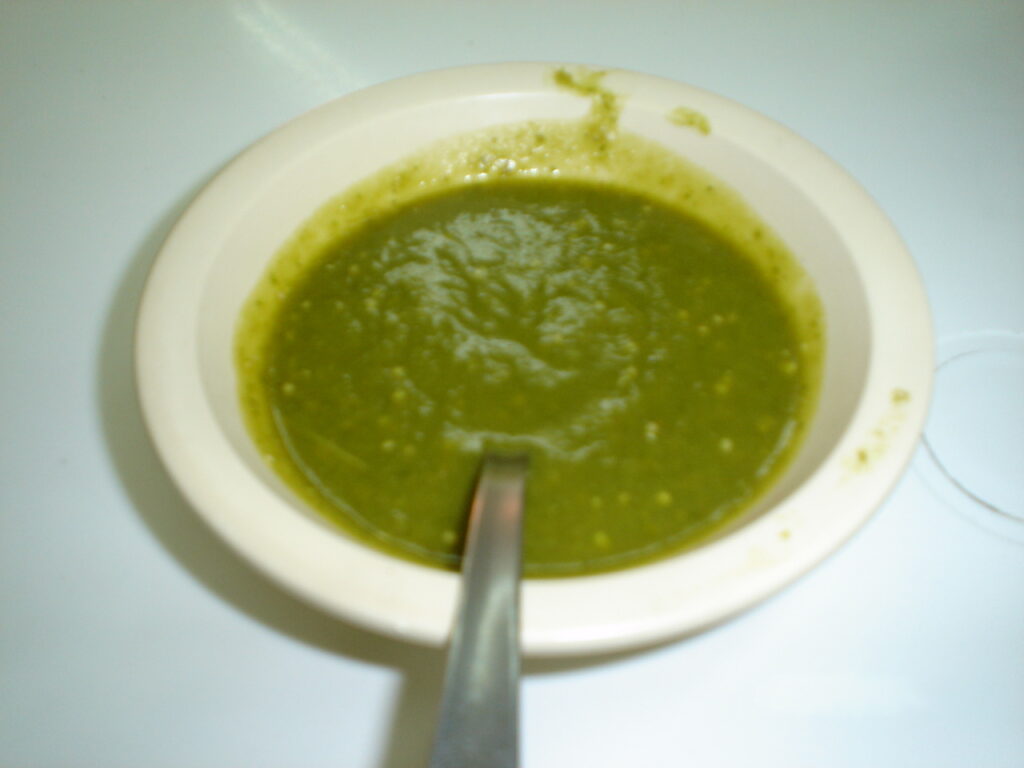
A bowl of salsa verde
Photo: No machine-readable author provided. JED / Wikimedia Commons (CC BY-SA 2.5)

Salsa is a seasoning, not a sauce

The same goes for salsa. At a taquería, the salsa bar is a spice rack, not a gravy boat. A small spoonful of the right salsa lifts a taco; a ladle of it turns the tortilla to mush. Learn what each salsa is for, and our three essential salsas and salsa heat guide are good places to start, and use them with intention.

A simple rule

Here is a rule of thumb I use when building tacos at home or judging them at a restaurant. Can you name what each component contributes? If an ingredient is there only because it looks nice or because it was in the fridge, leave it off.

RoleExamples
Main fillingCarnitas, al pastor, grilled mushrooms
CrunchOnion, radish, cabbage
FreshnessCilantro, lime
Acid or heatSalsa, pickled onions, pickled jalapeños
Richness (optional)Crema, cheese, avocado

Four or five components, each doing one job. That is usually where the best tacos live.

In fairness to the maximalists

There are wonderful exceptions. A loaded Tex-Mex puffy taco is a glorious thing. So is a Baja taco stand with a dozen toppings you choose from yourself. The point is that every addition should be a decision, not a reflex.

Taste the meat first, then decide what it needs.

Advice from nearly every taquero we have ever asked

Disagree? Tell us. The best argument we receive might end up in our next reader mailbag. In the meantime, look up any term you do not know in our taco glossary.

Written by Elena Ruiz · Categorized: Opinion · Tagged: Al Pastor, Cilantro, Salsa, Street Food, White Onion

Oct 20 2026

Seven Austin Taco Trucks Worth the Drive This Fall

When the temperature finally drops below 90 and patio season comes back to Austin, I start spending my evenings chasing taco trucks. The city’s truck scene changes constantly: new spots appear in brewery lots, veterans move across town, and a few quietly get better every year.

I visited more than 20 trucks over the past two months to put together this list. These are the seven I keep coming back to. Prices were accurate at the time of my visits, and hours can change, so check each truck’s social media before you head out.

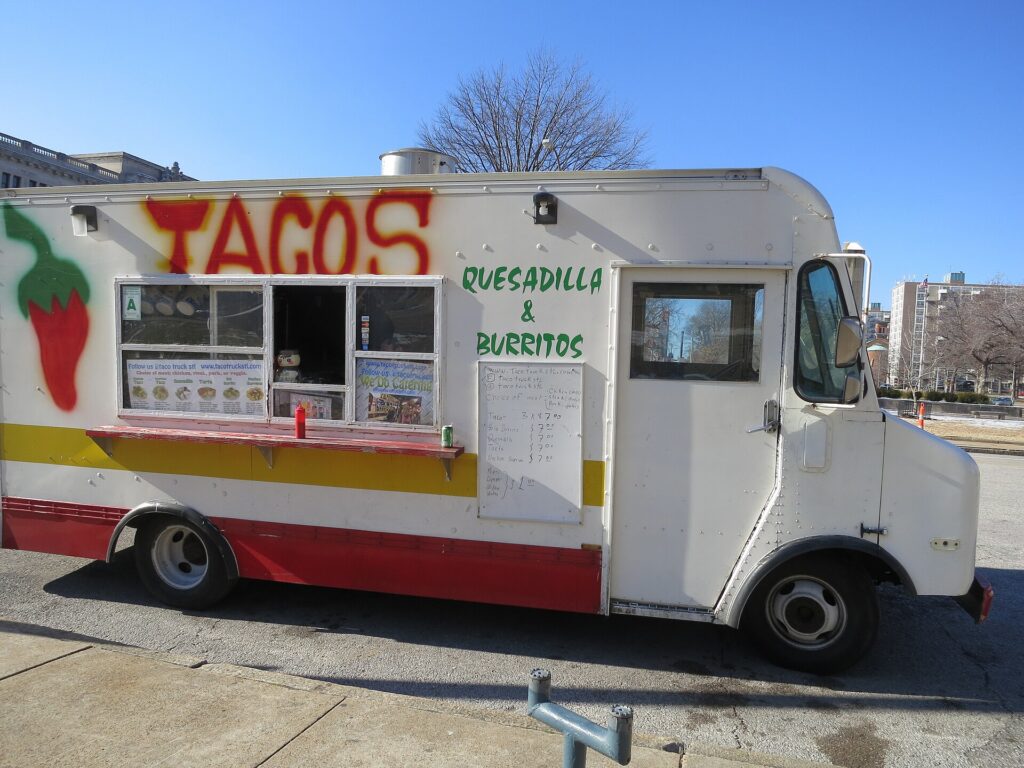
A taco truck parked on a city street
Photo: Paul Sableman / Wikimedia Commons (CC BY 2.0)

1. Trompo Rey (North Lamar)

The spit is the first thing you see: a proper trompo of chile-marinated pork, crowned with a pineapple and turning in the window. The taquero shaves meat directly onto small corn tortillas with a flick of pineapple. Order at least four al pastor tacos ($2.75 each) and add a gringa if you are hungry. Compare it with our homemade al pastor and you will understand why the spit matters.

2. Birrieria Los Primos (Dove Springs)

A family-run truck that sells out most weekends by 2 p.m. The quesabirria is crisp and cheesy, and the consommé comes out rich and deeply spiced. Get an extra cup of consommé for dipping; you will want it. If you want to recreate the experience, our birria de res recipe is a good start.

3. El Madrugador (East Seventh)

Breakfast tacos from 6 a.m. on flour tortillas pressed on the truck. The chorizo, egg and potato taco is textbook, and the machacado con huevo, dried beef scrambled with egg, tomato and chile, is a Northern Mexico classic you do not see often enough in Austin.

4. Mariscos La Ola (Riverside)

Battered fish and shrimp tacos in the Ensenada style, with a do-it-yourself salsa and cabbage bar. The shrimp tacos gobernador, filled with shrimp and melted cheese and crisped on the flat-top, are the move. Read about the style in our Baja regional guide.

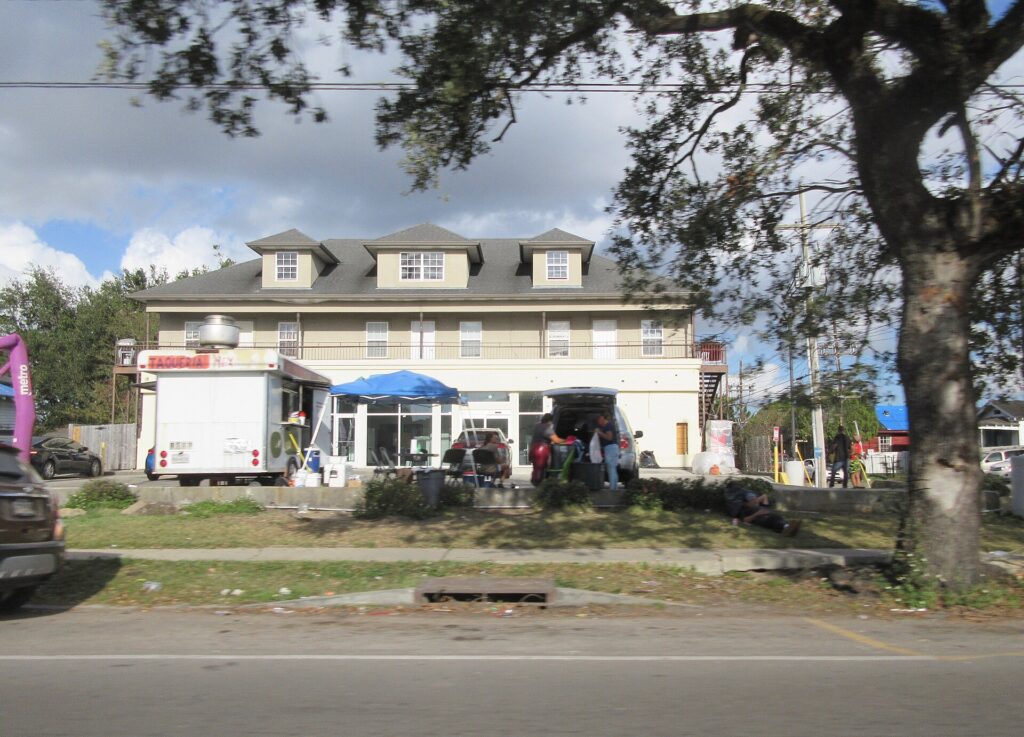
A taco truck in New Orleans
Photo: Infrogmation of New Orleans / Wikimedia Commons (CC BY-SA 4.0)

5. Suadero Chilango (South Congress)

Mexico City street tacos cooked in a choricera, the dome-shaped pan where suadero, longaniza and tripa bubble in fat. Try the campechano, a mix of suadero and longaniza. It is the closest thing to a late-night stand in CDMX I have found in Texas. See our Mexico City guide for background.

6. Yuca y Maíz (Montopolis)

Cochinita pibil tacos and panuchos from a Yucatecan family, served with pickled red onion and a habanero salsa that means business. The weekend relleno negro is a rarity worth planning for.

7. Verde Vivo (Mueller)

An all-vegetarian truck with a menu built around seasonal Texas produce. This fall, the roasted squash and mole taco and the mushroom al pastor are both excellent, and the handmade blue corn tortillas are some of the best in town.

The best taco trucks are not the ones with the longest lines. They are the ones that are still great on a slow Tuesday.

Jamie, TacoProject

Quick comparison

TruckNeighborhoodOrder thisPrice range
Trompo ReyNorth LamarAl pastor$
Birrieria Los PrimosDove SpringsQuesabirria + consommé$$
El MadrugadorEast SeventhMachacado con huevo$
Mariscos La OlaRiversideTacos gobernador$$
Suadero ChilangoSouth CongressCampechano$
Yuca y MaízMontopolisCochinita pibil$
Verde VivoMuellerMushroom al pastor$$

Truck etiquette

  • Bring cash; many trucks take cards, but not all, and card readers go down.
  • Order everything at once if the line is long.
  • Tip. Many truck crews rely on it.
  • Be patient during rushes. Good tacos are made to order.

Did we miss your favorite? We update our taquería and truck directory regularly, and reader tips have led us to some of our favorite spots.

Browse the directory

Written by Jamie Okafor · Categorized: Events, Reviews · Tagged: Al Pastor, Austin, Breakfast Tacos, Street Food, Taco Truck

Oct 06 2026

Review: Taquería Doña Chela Brings Michoacán Carnitas to East Riverside

There is a particular smell that tells you a taquería takes its carnitas seriously: pork slowly simmering in its own fat, with a hint of orange and a little caramelized sugar at the edges. It hits you in the parking lot of Taquería Doña Chela, a small, bright spot tucked into a strip center on East Riverside Drive, well before you open the door.

The restaurant has been open for a little over a year, and word has spread mostly the old-fashioned way. We visited three times over two weeks, at lunch on a weekday, on a Saturday morning, and on a busy Friday evening, to see how it holds up.

The carnitas

Doña Chela’s family comes from Michoacán, the state most associated with carnitas, and the kitchen follows the traditional method: pork shoulder, belly and a few other cuts cooked for hours in a large copper cazo until the meat is meltingly tender and the outside turns crisp and golden. You order by the cut or ask for surtida, a mix, which is what we recommend on a first visit.

The meat is chopped to order on a wooden block and piled onto doubled corn tortillas. It is juicy without being greasy, with crackly bits scattered throughout, and it needs nothing more than a spoonful of salsa verde, onion and cilantro. On all three visits the carnitas were consistent, which is the hardest thing for any taquería to get right.

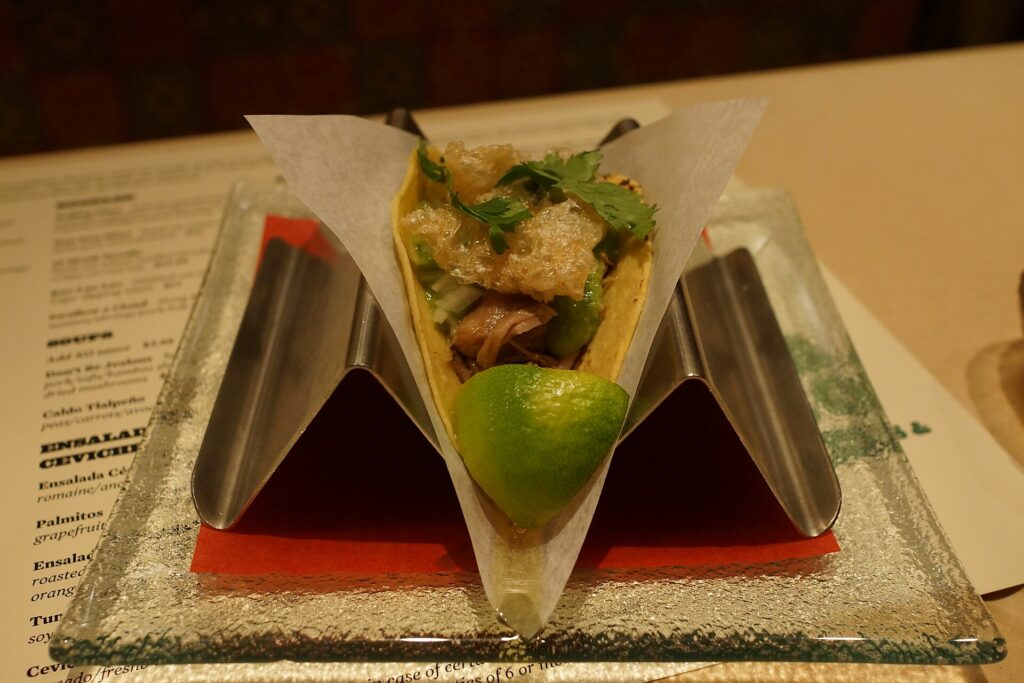
Carnitas taco on a small plate
Photo: Jan Mark Holzer / Wikimedia Commons (CC BY 2.0)

Beyond the pork

The menu is short. Besides carnitas, there is a solid al pastor, cooked on a small trompo that only goes up on Friday and Saturday evenings, a rich beef barbacoa on weekend mornings, and a rotating guisado of the day. The rajas con crema was a standout, and a good option for vegetarians. Tortillas are made in-house with masa from a local mill, and you can taste the difference.

The salsa bar is modest but thoughtful: a bright tomatillo salsa verde, a smoky salsa roja with chile de árbol, pickled jalapeños and carrots, and radishes. If you want to understand the heat levels before you commit, our salsa heat guide roughly maps to what you will find here.

The carnitas were consistent all three visits, which is the hardest thing for any taquería to get right.

Elena, TacoProject

Atmosphere and service

The dining room seats about 30, with a handful of picnic tables outside under string lights. Service is counter-style and friendly; on our Saturday visit, one of Doña Chela’s grandsons walked us through the cuts and handed us a taste of cuerito (braised pork skin) to try. Lines get long after 7 p.m. on Fridays, but they move quickly.

A traditional taqueria
Photo: Myyo / Wikimedia Commons (Public domain)

The scorecard

CategoryRatingNotes
Carnitas5/5Crisp, juicy, consistent
Tortillas4.5/5Made in-house, great texture
Salsas4/5Small selection, well balanced
Value4.5/5Tacos around $3.50 each; plates about $14
Service4/5Warm and quick, long weekend lines

What to order

  • Carnitas surtida tacos
  • Rajas con crema taco
  • Weekend barbacoa with consommé
  • Agua fresca de jamaica

Good to know

  • Open Tuesday through Sunday, closed Mondays
  • Al pastor on Friday and Saturday evenings only
  • Carnitas by the pound for takeout
  • Parking in the shared lot

The verdict

Taquería Doña Chela is a place that knows exactly what it wants to be. It does not try to do everything, and what it does, it does extremely well. If you love carnitas, this is now one of the first places we would send you in Austin.

Want to compare? Our own taquería directory lists our other favorites around town, and if you are inspired to try carnitas at home, we have a recipe coming later this season.

Browse the taquería directory

Written by Elena Ruiz · Categorized: Reviews · Tagged: Austin, Carnitas, Michoacán, Salsa Verde, Street Food

Oct 05 2026

Día de los Muertos Taco Pop-Up Announcement

Día de los Muertos, celebrated on November 1 and 2, is a time to remember and honor loved ones who have passed. Families build ofrendas (altars) decorated with marigolds (cempasúchil), candles, photos, and the favorite foods and drinks of the departed.

This year we are hosting a community ofrenda and taco pop-up on Sunday, November 1, from 4 to 8 p.m. on the patio of Taquería Doña Chela on East Riverside Drive. Details below.

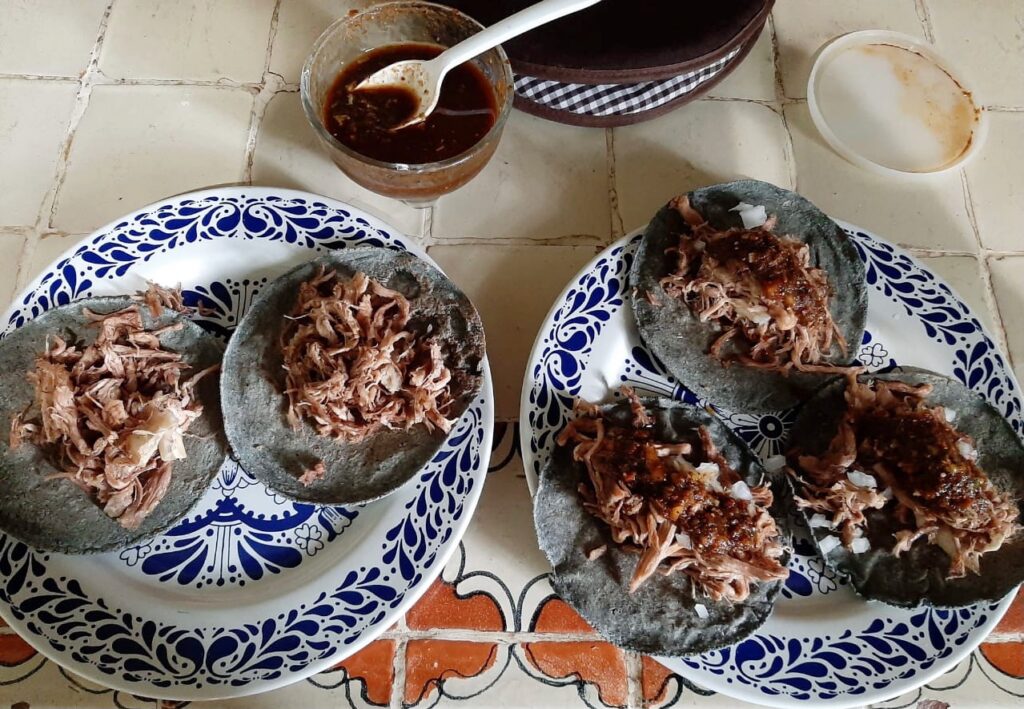
Barbacoa tacos with chile rayado salsa
Photo: Daniela Gomez / Wikimedia Commons (CC BY-SA 4.0)

What to expect

  • Michoacán-style carnitas tacos from the Doña Chela kitchen, plus a vegetarian rajas con crema option
  • Pan de muerto and hot champurrado
  • A community ofrenda: bring a photo or a small memento of someone you want to remember
  • Face painting and papel picado crafts for kids

Entry is free; tacos are priced per plate. All proceeds from the champurrado stand go to a local food bank.

See all events

Written by Jamie Okafor · Categorized: Events · Tagged: Barbacoa, Street Food, Taco Tuesday

  • Page 1
  • Page 2
  • Page 3
  • Page 4
  • Go to Next Page »
  • About
  • Contact
  • FAQ
  • Taco Glossary
  • Privacy Policy

Copyright © 2026 · Altitude Pro on Genesis Framework · WordPress · Log in