• Skip to main content

TacoProject

Taco recipes, taquería reviews and regional guides from Austin: al pastor, birria, breakfast tacos, salsas and the stories behind them.

  • Start Here
  • Recipes
  • Styles
    • Baja California
    • Tex-Mex
    • Mexico City
    • Yucatán
  • Reviews
    • The List
    • Taquerías
    • Taco Finder
  • Guides
    • Taco Glossary
    • Salsa Heat Guide
    • Party Taco Calculator
    • Taco FAQ
    • Salsa Library
  • Gallery
  • Shop
    • My Account
    • Cart
  • About
    • Events
    • Contact
    • Privacy Policy

Tacos de Canasta

Nov 17 2026

Gallery: A Visual Tour of Mexico’s Street Taco Stands

Some of the best tacos in the world are served from a folding table, a bicycle basket or a cart parked on the same corner for thirty years. Street stands, known as puestos, are the heart of Mexico’s taco culture. They are where people grab breakfast on the way to work, lunch between errands and a late-night snack after a long evening.

This gallery collects some of our favorite images of that culture, shared by photographers under open licenses. Each tells a small story about how and where tacos are made and eaten.
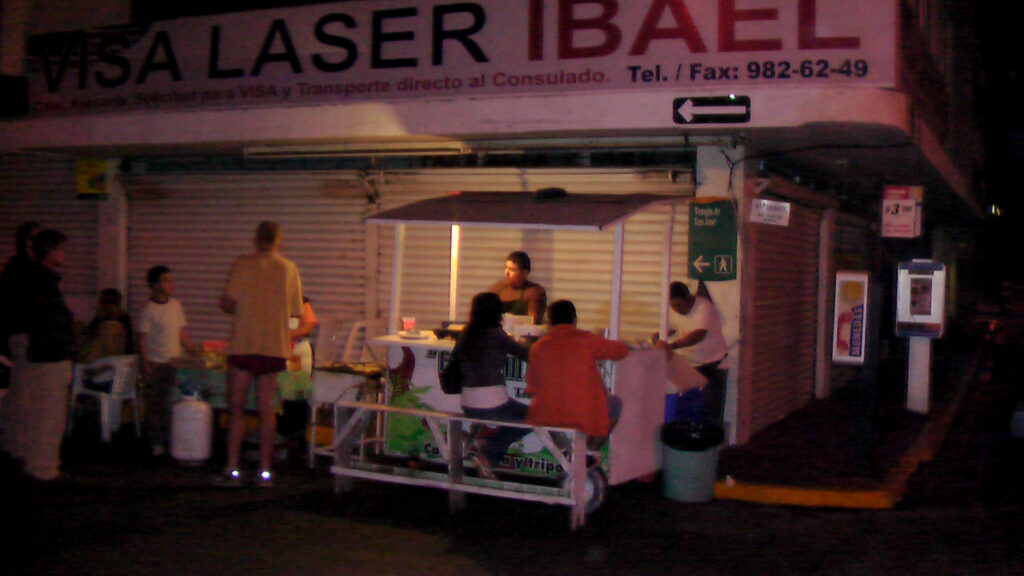
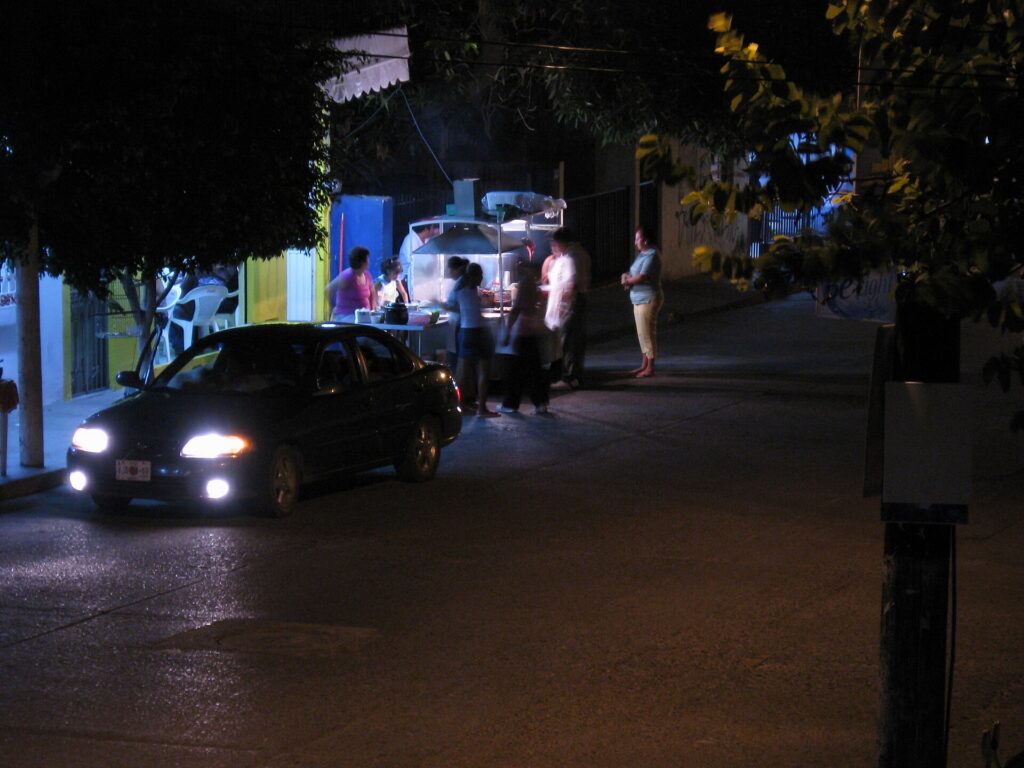
A street taco stand in Mazatlán
Photo: Rick McCharles / Wikimedia Commons (CC BY 2.0)
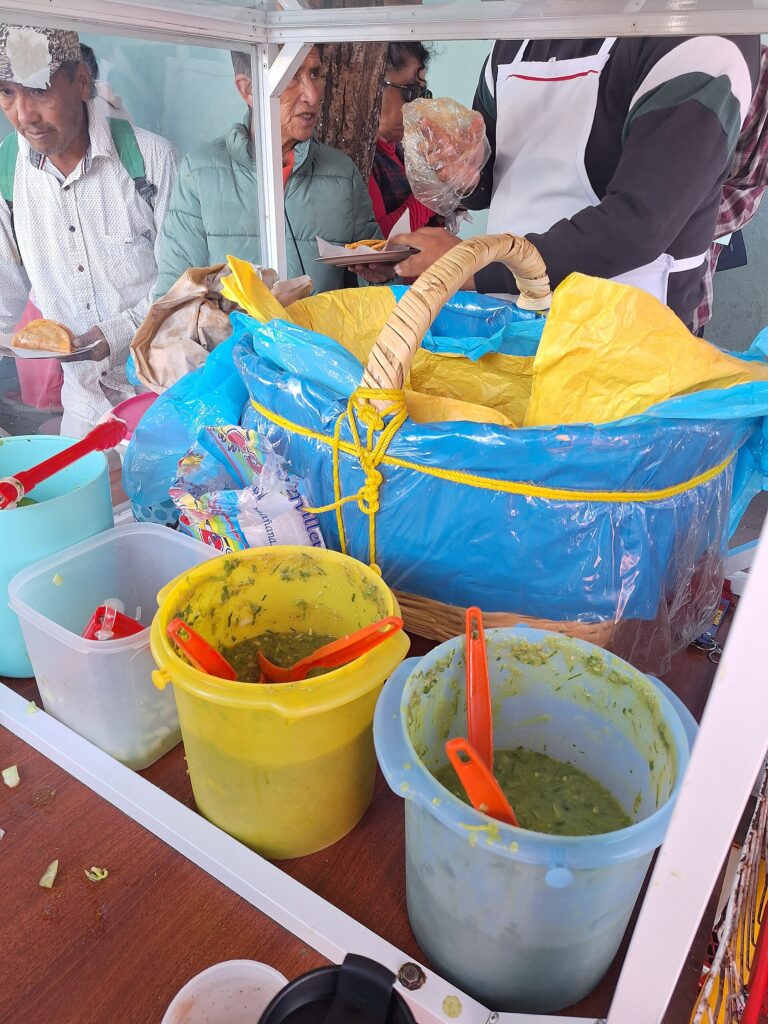
A tacos de canasta street stall
Photo: B.jars / Wikimedia Commons (CC BY-SA 4.0)
A traditional taqueria
Photo: Myyo / Wikimedia Commons (Public domain)
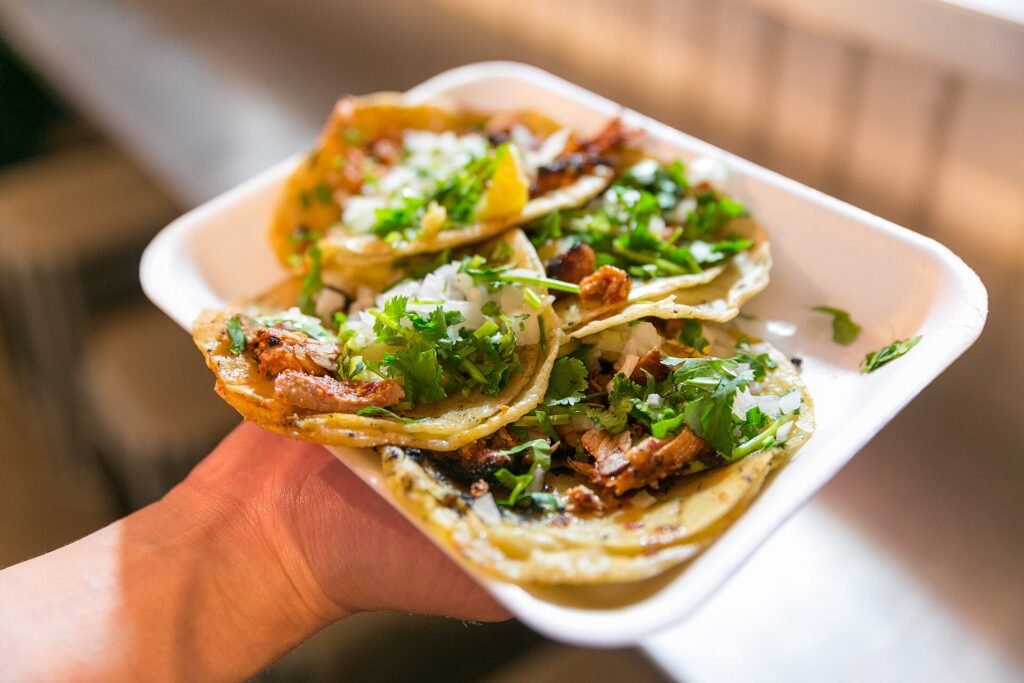
Al pastor tacos topped with pineapple, onion and cilantro
Photo: City Foodsters / Wikimedia Commons (CC BY 2.0)
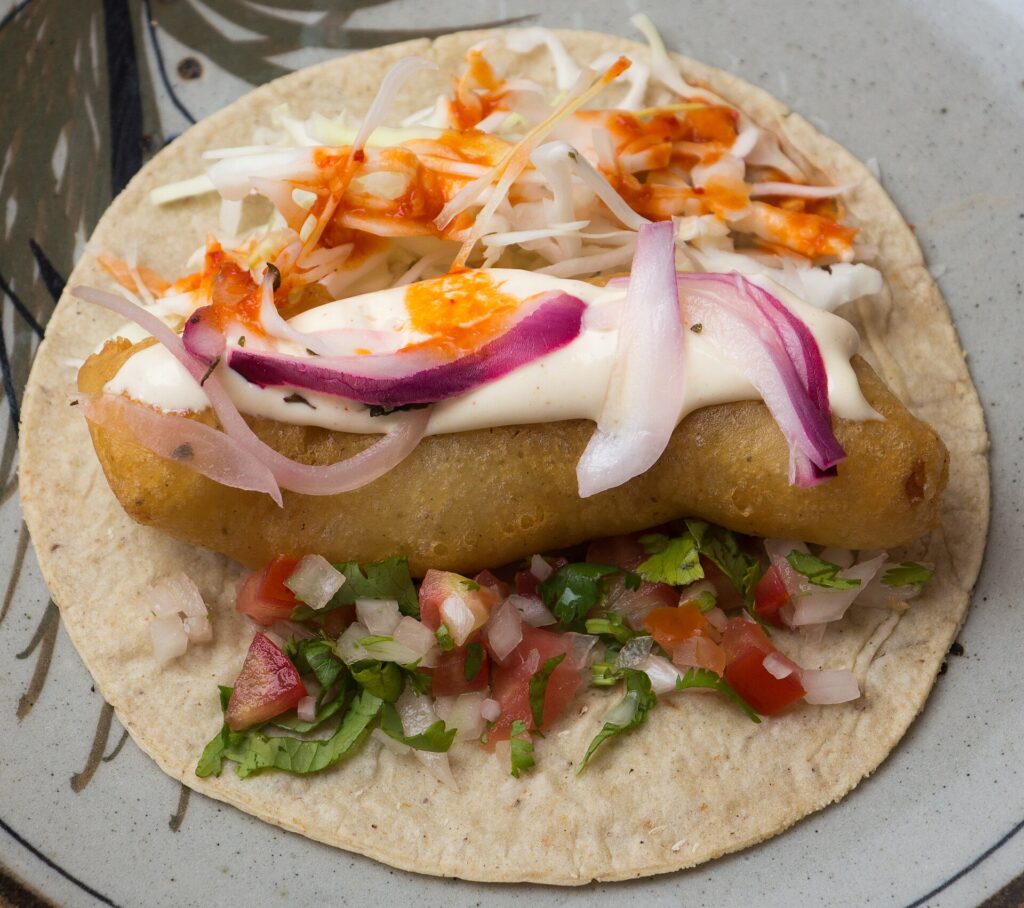
An Ensenada-style battered fish taco
Photo: Tomascastelazo / Wikimedia Commons (CC BY-SA 4.0)
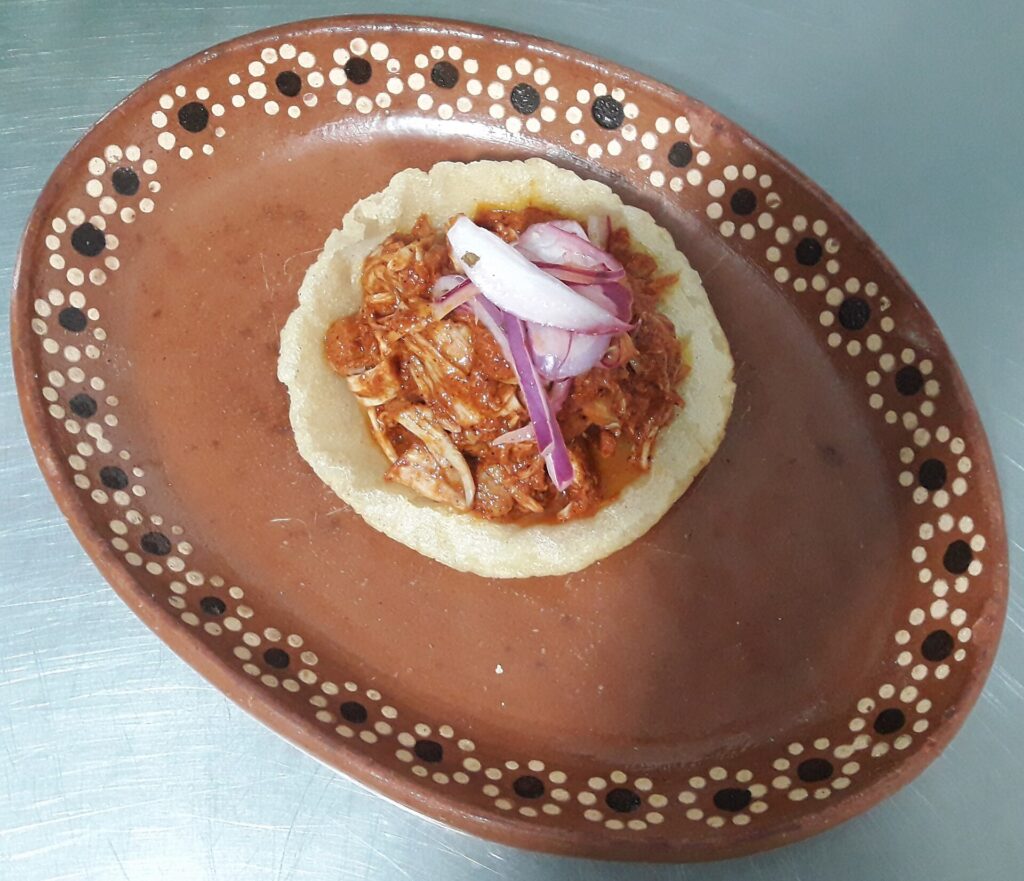
Cochinita pibil with pickled red onion
Photo: El Nuevo Doge / Wikimedia Commons (CC0)

Reading the photos

The corner stand

A classic Mazatlán street stand, with a flat-top griddle, a row of salsas and a handful of stools. Stands like this often specialize in just one or two fillings, cooked all day. In coastal Sinaloa, that might mean smoked marlin or shrimp; inland, carne asada or tripa.

Tacos de canasta

Also called tacos sudados (sweaty tacos), tacos de canasta are filled in the morning, stacked in a cloth-lined basket and left to steam in their own heat. By the time they are sold, the tortillas are soft and infused with fat and flavor. Common fillings include potato, refried beans, chicharrón in salsa and adobo. Vendors often travel by bicycle, and in Mexico City you will spot them outside offices and metro stations. Our Mexico City guide covers them in more depth.

The taquería

A step up from the street stand, the neighborhood taquería has a fixed location, a few tables and usually a longer menu. Many started as street stands and grew with their regulars.

Al pastor and the trompo

The vertical spit is one of the most recognizable sights in Mexico City’s streets, especially at night. The taquero slices meat from the spinning trompo straight onto the tortilla and flicks a piece of pineapple on top. Try our al pastor at home method for a spit-free version.

Ensenada fish tacos

In Baja California, fish taco stands fry battered fish to order and let customers load up at a counter of cabbage, crema, salsas and limes. Read our Baja guide for the whole story.

Cochinita pibil

In the Yucatán, cochinita pibil is a morning food, often sold from market stalls and sold out before lunch. The pickled red onions and habanero salsa are nonnegotiable. More in our Yucatán guide.

A street stand does one thing, every day, for years. That repetition is where greatness comes from.

Jamie, TacoProject

How stands shape the taco

It is worth pausing on how much the format of a stand shapes the food itself. A street cook has limited space, limited equipment and customers who expect to eat standing up in a few minutes. That is why street tacos are small, usually built on two stacked tortillas for strength, and filled with meats that can be held hot for hours without drying out: braises, confits, spit-roasted pork and griddled cuts kept moist in their own fat. The salsas do the customizing, and the tortilla does the rest.

The same logic applies to Austin’s trucks. A truck kitchen is a street stand on wheels, and many of the best ones in town cook exactly this way: one or two fillings done very well, a short salsa bar and a line that moves. See our October roundup of Austin taco trucks for the ones we keep going back to.

Street stand etiquette

  • Watch what the regulars order, and order that.
  • Ask for tacos by number: dos de pastor, tres de suadero.
  • Salsas are self-serve; taste a little before committing.
  • Pay at the end: tell the taquero how many tacos you had.
  • Unfamiliar terms? Keep our taco glossary handy.

Closer to home, Austin’s own truck and stand culture continues to thrive. Find our favorites in the taquería directory.
Explore regional styles
Find Austin taquerías

Written by Jamie Okafor · Categorized: Regional Styles · Tagged: Al Pastor, Fish Tacos, Mexico City, Street Food, Tacos de Canasta

Oct 27 2026

Día de Muertos: The Foods of the Ofrenda, Explained

Día de Muertos, observed on November 1 and 2, is one of the most meaningful celebrations in Mexico and across Mexican communities in the United States, including here in Austin. It is a time when families remember and welcome back the spirits of loved ones who have died. It is not a Mexican Halloween, and it is not a somber occasion. It is a reunion, full of color, music, stories and, above all, food.

At the center of the celebration is the ofrenda, a home altar built to honor the dead. Families place photographs, candles, marigolds and personal objects on it, along with the favorite foods and drinks of those they are remembering. This post is a guide to those foods and what they mean.

The structure of an ofrenda

Ofrendas vary widely by region and family, but many include several tiers representing the earth and the heavens, and incorporate the four elements: water to quench the thirst of spirits after their journey, candles for fire, papel picado that moves with the wind, and food representing the earth. Bright orange cempasúchil (marigold) petals are often laid in a path to guide the spirits home, their color and scent said to lead the way.

The foods and what they mean

Pan de muerto

The best-known food of the season is pan de muerto, a soft, slightly sweet bread flavored with orange blossom water or orange zest and topped with sugar. The strips of dough across the top are often described as bones, and the ball in the center as a skull or a tear. Regional versions vary: in parts of Oaxaca, the bread is decorated with a small painted face, while in Michoacán and elsewhere you will find different shapes and flavors.

Tamales

Tamales are prepared in large quantities because they are made to be shared with family, neighbors and visitors. Making tamales together, a tamalada, is part of the celebration. Fillings range from pork in red chile to chicken in salsa verde to sweet versions with raisins.

Mole

Mole is a festive dish reserved for special occasions, and few occasions are more important. In Puebla and Oaxaca, a family’s mole recipe may go back generations. Mole negro, with its dozens of ingredients including chiles, chocolate, nuts and spices, is especially associated with the celebration in Oaxaca.

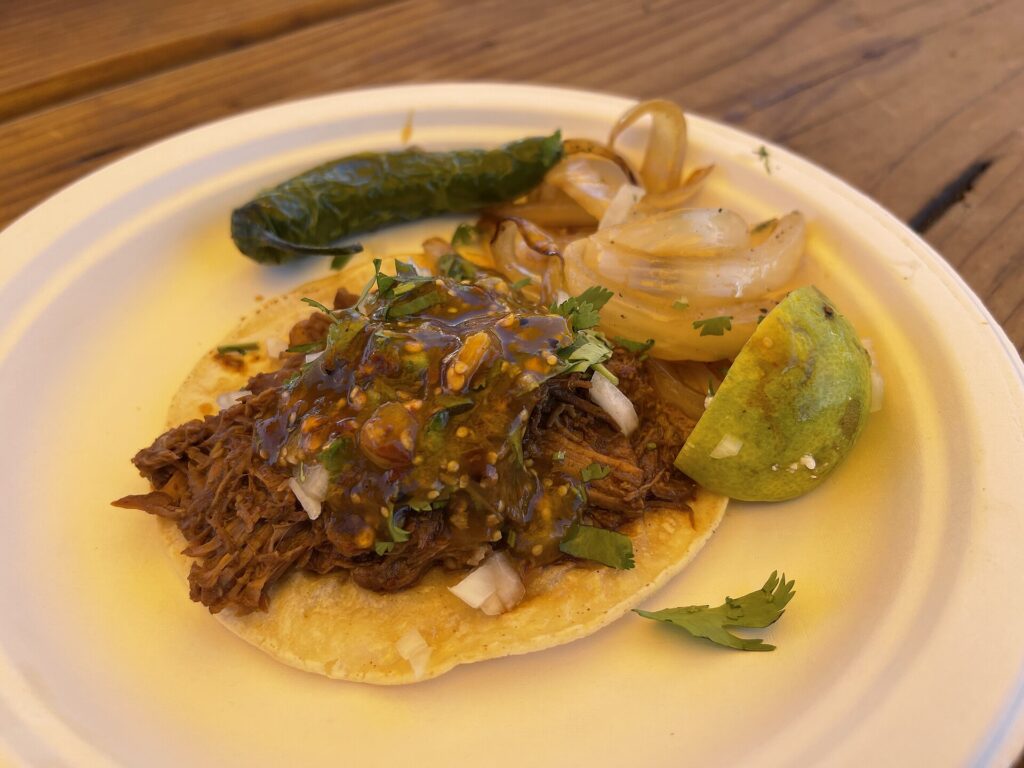
A barbacoa taco
Photo: Missvain / Wikimedia Commons (CC BY 4.0)

Atole and champurrado

Warm, thick drinks made from masa, atole and its chocolate version, champurrado, are served during the cool nights of early November. They are often placed on the ofrenda alongside water, coffee and sometimes the favorite beer or mezcal of the person being remembered.

Sugar skulls and fruit

Calaveras de azúcar, decorated sugar skulls, sometimes bear the name of the deceased. Seasonal fruit like oranges, guavas, tejocotes and sugar cane are also common, as is sweet candied pumpkin, calabaza en tacha.

The ofrenda is not a display. It is an invitation, and food is how you set the table for a guest you love.

Marcus, TacoProject

Regional traditions

RegionNotable foodsTradition
OaxacaMole negro, pan de yema, chocolateElaborate ofrendas and cemetery vigils
MichoacánCorundas, atole, charalesCandlelit vigils at Lake Pátzcuaro
YucatánMucbipollo (pib tamal)Hanal Pixán, the “food of the souls”
Mexico CityPan de muerto, tamalesPublic altars and neighborhood celebrations
PueblaMole poblano, pan de muertoFamily altars, often multi-tiered

In the Yucatán, the celebration is called Hanal Pixán, and families bake a large tamal called mucbipollo in an underground pib oven, the same technique behind cochinita pibil. Read more in our Yucatán guide.

Where do tacos fit in?

Tacos are not traditionally an ofrenda food, but they are very much a part of the gatherings that surround the holiday. Families visiting cemeteries often bring food to share, and in Mexico City, vendors selling tacos de canasta, soft steamed tacos carried in cloth-lined baskets, are a familiar sight at gatherings of all kinds. If a loved one’s favorite food was a plate of tacos from a certain stand, that may well end up on the ofrenda too.

A tacos de canasta street stall
Photo: B.jars / Wikimedia Commons (CC BY-SA 4.0)

Celebrating respectfully

  • Learn about the traditions and their meaning before participating.
  • If you are invited to see a family’s ofrenda, treat it with the same respect you would any memorial.
  • Avoid treating the holiday as a costume party or conflating it with Halloween.
  • Support local Mexican bakeries during the season; many make pan de muerto only in late October and early November.
  • Consider building a small ofrenda of your own for someone you have lost.

This weekend we will share details on our community ofrenda here in Austin. In the meantime, explore more of the stories behind the food in our regional styles hub and taco glossary.

Written by Marcus Bell · Categorized: Taco History · Tagged: Barbacoa, Día de Muertos, History, Mexico City, Tacos de Canasta

Jan 13 2026

Taco Tag Soup

Some tacos cannot be summed up in a single word. Last Tuesday we laid out everything in the fridge: fresh masa for the comal, three salsas, two cheeses, pickled onions, radishes, a mountain of cilantro and leftover suadero, lengua and tripa from the weekend.

The result was the most chaotic, delicious taco night of the year, and a post with more tags than we have ever used. Browse any of them below to find more from our archive.

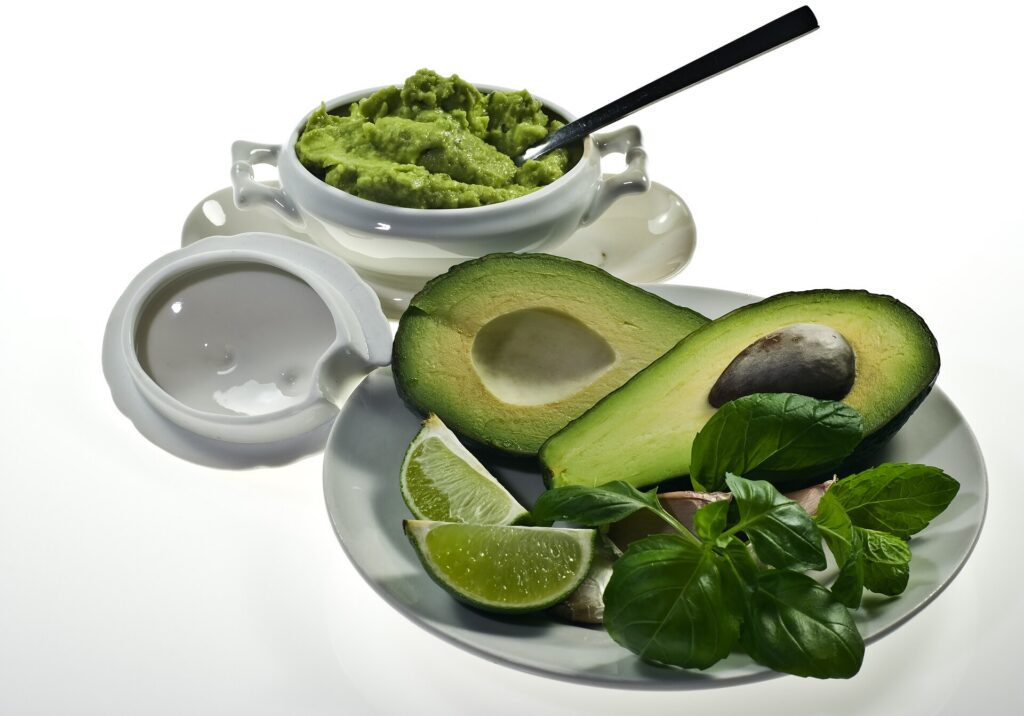
A bowl of fresh guacamole
Photo: Nikodem Nijaki / Wikimedia Commons (CC BY-SA 3.0)

Written by Elena Ruiz · Categorized: Opinion · Tagged: Ancho, Chile de Árbol, Chipotle, Cilantro, Comal, Cotija, Crema, Guacamole, Guajillo, Habanero, Horchata, Lengua, Lime, Masa, Nixtamal, Pickled Onions, Pico de Gallo, Poblano, Queso Fresco, Radish, Salsa, Salsa Roja, Salsa Verde, Spicy, Street Food, Suadero, Taco Night, Taco Tuesday, Tacos de Canasta, Tacos Dorados, Tortilla Press, Tortillas, Tripa, Trompo, White Onion

  • About
  • Contact
  • FAQ
  • Taco Glossary
  • Privacy Policy

Copyright © 2026 · Altitude Pro on Genesis Framework · WordPress · Log in