• Skip to main content

TacoProject

Taco recipes, taquería reviews and regional guides from Austin: al pastor, birria, breakfast tacos, salsas and the stories behind them.

  • Start Here
  • Recipes
  • Styles
    • Baja California
    • Tex-Mex
    • Mexico City
    • Yucatán
  • Reviews
    • The List
    • Taquerías
    • Taco Finder
  • Guides
    • Taco Glossary
    • Salsa Heat Guide
    • Party Taco Calculator
    • Taco FAQ
    • Salsa Library
  • Gallery
  • Shop
    • My Account
    • Cart
  • About
    • Events
    • Contact
    • Privacy Policy

Salsa

Nov 13 2026

Reader Mailbag: Tortillas, Salsa Storage and Reheating Tacos

Every few months we gather the questions you send us by email and on social media and answer as many as we can. This round, many of you wrote in about tortillas, which makes us very happy, plus salsas, leftovers and gear. Questions have been lightly edited for length.

Tortillas

“My homemade corn tortillas crack at the edges. What am I doing wrong?”

This is the most common question we get, and the answer is almost always water. The dough should feel like soft play clay and not crack when you press a ball between your palms. Add water a tablespoon at a time, knead, and rest the dough, covered, for 15 to 20 minutes before pressing. Also check that your comal is hot enough; tortillas cooked too slowly dry out. Our tortilla guide has photos of what the dough should look like.

“Is it worth making fresh masa from scratch?”

If you love cooking projects, absolutely. It is a weekend job, but the flavor is remarkable. Start with our new guide on nixtamalizing corn at home. If not, a good masa harina makes very good tortillas, and many Mexican markets in Austin sell fresh masa by the pound.

“Cast iron, aluminum or wood tortilla press?”

Cast iron is our choice: it is heavy, so you press with less effort, and it lasts forever. Aluminum presses are light and affordable but can bend over time. Wooden presses are beautiful and traditional, just larger. Whatever you choose, line it with two pieces of a cut zip-top bag, not plastic wrap.
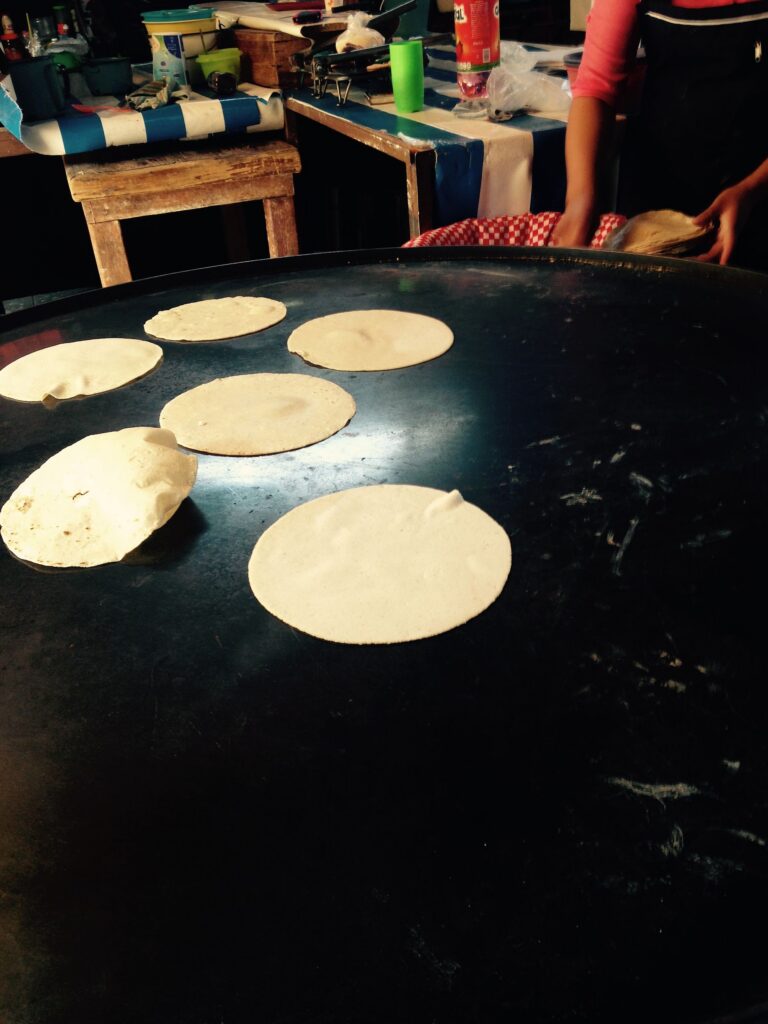
Corn tortillas cooking on a comal
Photo: Artemisa Martínez / Wikimedia Commons (CC0)

Salsas

“How long does homemade salsa really last?”

SalsaRefrigeratorFreezer
Pico de gallo1 to 2 daysNot recommended
Cooked salsa verde or roja5 to 7 daysUp to 3 months
Avocado salsa2 to 3 daysNot recommended
Oil-based salsas (macha, negra)Up to 2 weeksUp to 3 months

Always store salsa in a clean, airtight container and use a clean spoon. When in doubt, throw it out. Our three essential salsas include storage notes for each.

“Why is my salsa verde bitter?”

Most often it is overcooked tomatillos, or garlic that burned during roasting. Simmer tomatillos just until they turn olive green, and add a small pinch of sugar or more lime to balance any bitterness.


Leftovers

“What is the best way to reheat birria?”

Reheat the meat in its consommé over low heat on the stovetop, not in the microwave. For crispy quesabirria, dip tortillas in the fat skimmed from the top of the consommé, fill with meat and cheese, and griddle until crisp. The full method is in our birria recipe.

“How do I reheat corn tortillas without them going stiff?”

Heat them on a dry, hot comal or skillet for 20 to 30 seconds per side. If they are a bit dry, sprinkle a few drops of water on each before heating. Wrap them in a towel as they come off the heat so they steam gently.

Most tortilla problems come down to two things: water and heat.

Elena, TacoProject

One last question

“What is the one piece of equipment you would recommend for a new taco cook?”

A heavy comal or cast-iron skillet. It toasts chiles, chars tomatillos, warms tortillas and sears meat. After that, a tortilla press, which you will find in our shop.

Frequently asked questions

How do I send a question for the next mailbag?

Reply to any of our newsletters or reach out on social media. We read everything, even if we cannot answer every question.

Where can I look up unfamiliar terms?

Our taco glossary covers the vocabulary of the taco, from adobada to zacahuil.
Shop the cast-iron press

Written by Elena Ruiz · Categorized: Opinion · Tagged: Birria, How-to, mailbag, Salsa, Tortilla Press, Tortillas

Nov 06 2026

Sonora: Carne Asada, Flour Tortillas and the Tacos of the North

If central Mexico is corn country, Sonora is cattle and wheat country. The state sits along the Arizona border and the Gulf of California, a landscape of desert, ranches and irrigated farmland. Its cooking reflects that: beef grilled over mesquite, flour tortillas so thin you can see light through them, and a style of taco that is simple, smoky and generous.

For Texans, Sonoran food feels familiar and distinct at the same time. We share the ranching culture and the love of flour tortillas, but Sonora has its own way of doing things, and it is one of the most satisfying regional styles to explore.

Why wheat?

Wheat arrived with the Spanish, and it thrived in the arid north, where it grew more reliably than corn in some areas. Over centuries, flour tortillas became the everyday bread of the region. In Sonora they reach their most dramatic form in the tortilla sobaquera, stretched by hand to a diameter of a foot and a half or more, so thin it is nearly translucent. Traditionally made with lard, they are cooked briefly on a large comal and folded in quarters to serve.

Corn tortillas cooking on a comal
Photo: Artemisa Martínez / Wikimedia Commons (CC0)

Carne asada, the Sonoran way

Sonoran beef has a reputation throughout Mexico, and carne asada is the regional ritual. The meat, often thin-cut arrachera (skirt) or diezmillo (chuck), is seasoned with little more than coarse salt and grilled over mesquite coals. The smoke does the rest. At taquerías in Hermosillo, the beef is chopped fresh from the grill and served on corn or flour tortillas with a spread of condiments: guacamole, salsa, grilled green onions, cucumbers and radishes.

In Sonora, the seasoning is salt and the smoke is mesquite. Everything else is a condiment.

Marcus, TacoProject

Tacos and dishes to know

  • Carne asada tacos: mesquite-grilled beef on corn or flour tortillas, with a self-serve condiment bar.
  • Caramelos: a flour tortilla with melted cheese and carne asada, folded like a quesadilla.
  • Burros: the Sonoran burrito, a large, thin flour tortilla wrapped around beans, beef or machaca.
  • Machaca: dried, shredded beef, often scrambled with egg for breakfast.
  • Cahuamanta: a stew of manta ray and shrimp from the coast near Guaymas, also served in tacos.
  • Sonoran hot dogs: bacon-wrapped franks with beans, tomato and mayonnaise, famous on both sides of the border.
  • Coyotas: flaky, flat pastries filled with piloncillo, a specialty of Hermosillo.

The salsa bar

Sonoran taquerías are known for generous condiments. A creamy guacamole-style salsa, a fiery chiltepín salsa, and a thin tomato salsa are common. The chiltepín, a tiny, wild chile that grows in the Sonoran desert, is intensely hot and adored locally. If you want to cook Sonoran-style at home, the avocado salsa verde in our salsa-of-the-month series is a very close relative of what you will find at the stands, and our salsa heat guide can help you pace the chiltepín.

Sonora vs. Tex-Mex

SonoraTex-Mex
TortillaVery thin flour, sobaqueraThicker flour, often with baking powder
BeefMesquite-grilled, salt onlyFajitas, often marinated
CheeseQueso fresco, ChihuahuaCheddar, yellow cheese
Signature chileChiltepínJalapeño

How to cook Sonoran at home

  1. Buy good skirt steak and season generously with coarse salt 30 minutes before cooking.
  2. Grill over mesquite charcoal or lump charcoal with a few mesquite chunks, as hot as you can.
  3. Chop the beef finely right off the grill.
  4. Serve with thin flour tortillas, guacamole, grilled green onions and a hot salsa.
  5. Make caramelos with any leftovers.

For a crowd, follow our game-day carne asada taco bar, but skip the citrus marinade for a more Sonoran approach.


Sonora is just one of the regions we explore. Continue with Baja, its neighbor across the Gulf of California, or see all of our regional guides.

All regional styles

Written by Marcus Bell · Categorized: Regional Styles · Tagged: carne asada, History, Salsa, Sonora, Street Food, Tortillas

Nov 03 2026

Stop Drowning Your Tacos: The Case for Restraint

I want to talk about the taco I was served last week. It was on a menu at a popular spot I will not name, and it had, by my count, nine components: braised short rib, pickled fresno chiles, cotija, a chipotle aioli, a mango salsa, crispy shallots, microgreens, a drizzle of balsamic reduction and a scattering of sesame seeds. It cost $8. It was fine. I could not tell you what the short rib tasted like.

This is not a rant against creativity. I love a thoughtful, modern taco as much as anyone. But I think we have developed a habit, especially in the United States, of assuming that more means better. It usually does not.

The taco is a system, not a pile

Look at the taco al pastor as it is served at a good stand in Mexico City: a small corn tortilla, a few slices of marinated pork from the trompo, a sliver of pineapple, chopped onion and cilantro, and a spoonful of salsa. Every element has a job. The onion adds crunch and bite, the cilantro freshness, the pineapple acidity and sweetness, the salsa heat. Nothing is there for decoration. Remove any one and the taco suffers; add three more and it collapses.

A great taco is not built by adding. It is built by knowing what to leave out.

Elena, TacoProject

Where it goes wrong

  • Too many sauces. Two creamy sauces on one taco cancel each other out. Pick one.
  • Toppings that fight. Mango salsa on a smoky, rich braise often just adds sugar.
  • Overfilling. A taco you cannot pick up is a plate of food with a tortilla under it.
  • Ignoring the tortilla. If the tortilla is an afterthought, no amount of garnish will save the taco.

What restraint looks like

Restraint does not mean plain. It means choosing. A slow-cooked birria is best with a little onion, cilantro, lime and its own consommé; our birria recipe adds nothing else. Good carnitas need salsa verde and not much more. A Baja fish taco earns its cabbage and crema because they cool and contrast the hot, crisp batter.

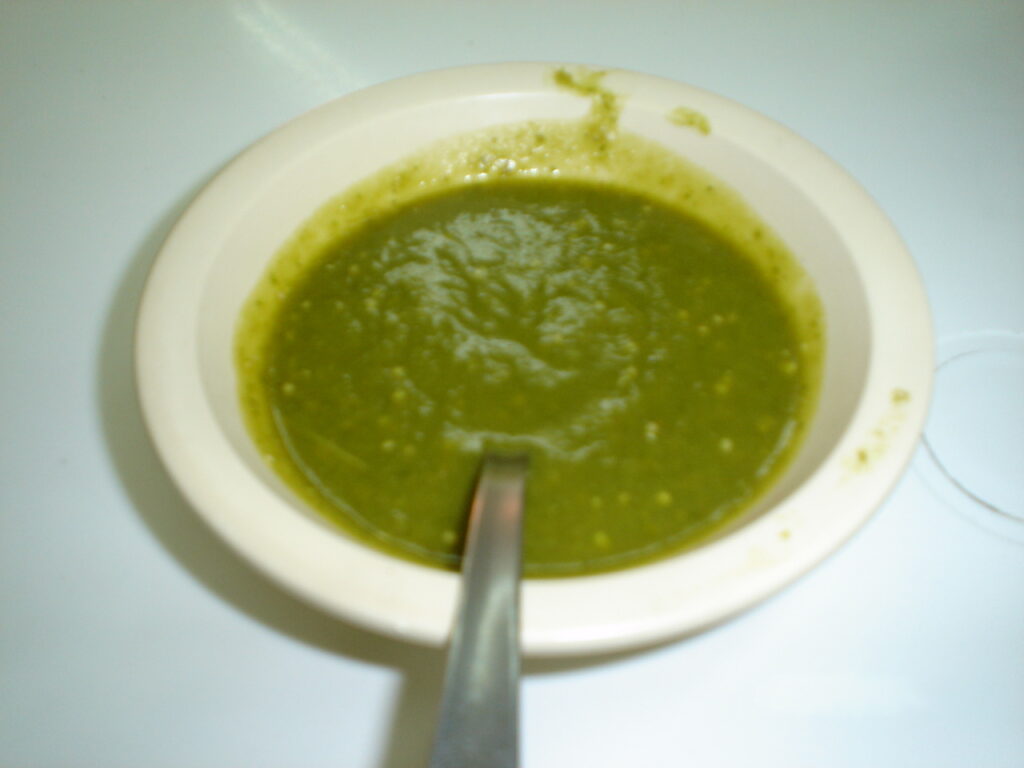
A bowl of salsa verde
Photo: No machine-readable author provided. JED / Wikimedia Commons (CC BY-SA 2.5)

Salsa is a seasoning, not a sauce

The same goes for salsa. At a taquería, the salsa bar is a spice rack, not a gravy boat. A small spoonful of the right salsa lifts a taco; a ladle of it turns the tortilla to mush. Learn what each salsa is for, and our three essential salsas and salsa heat guide are good places to start, and use them with intention.

A simple rule

Here is a rule of thumb I use when building tacos at home or judging them at a restaurant. Can you name what each component contributes? If an ingredient is there only because it looks nice or because it was in the fridge, leave it off.

RoleExamples
Main fillingCarnitas, al pastor, grilled mushrooms
CrunchOnion, radish, cabbage
FreshnessCilantro, lime
Acid or heatSalsa, pickled onions, pickled jalapeños
Richness (optional)Crema, cheese, avocado

Four or five components, each doing one job. That is usually where the best tacos live.

In fairness to the maximalists

There are wonderful exceptions. A loaded Tex-Mex puffy taco is a glorious thing. So is a Baja taco stand with a dozen toppings you choose from yourself. The point is that every addition should be a decision, not a reflex.

Taste the meat first, then decide what it needs.

Advice from nearly every taquero we have ever asked

Disagree? Tell us. The best argument we receive might end up in our next reader mailbag. In the meantime, look up any term you do not know in our taco glossary.

Written by Elena Ruiz · Categorized: Opinion · Tagged: Al Pastor, Cilantro, Salsa, Street Food, White Onion

Oct 16 2026

Salsa of the Month: Taquería-Style Avocado Salsa Verde

Every month we pick one salsa to cook, taste and obsess over. For October, we are making the pale green, silky salsa that sits in squeeze bottles at so many taquerías across Texas and northern Mexico. It is not guacamole and it is not a standard salsa verde. It lives somewhere in between: tangy from tomatillos, rich from avocado, and thin enough to drizzle.

It is the salsa people ask about most. It goes with nearly everything, from carnitas and carne asada to fish tacos and breakfast tacos, and it takes ten minutes. If you have already made the classic tomatillo salsa from our three essential salsas post, this is its creamy cousin.

PrepCookYieldHeat
10 minutes10 minutesAbout 2 cupsMedium

Ingredients

  • 1/2 lb tomatillos (about 5 medium), husked and rinsed
  • 1 to 2 serrano chiles, stemmed (use 1 for medium heat)
  • 1 garlic clove
  • 1 large ripe avocado
  • 1/2 cup cilantro leaves and tender stems
  • Juice of 1 lime
  • 1 teaspoon kosher salt, plus more to taste
  • 1/4 to 1/2 cup water

Instructions

  1. Simmer the tomatillos and chiles. Place tomatillos and serranos in a small saucepan, cover with water and simmer until the tomatillos turn olive green and soften, 6 to 8 minutes. Do not let them burst.
  2. Cool slightly. Drain and let cool for a few minutes. Hot tomatillos can turn avocado brown.
  3. Blend. Add tomatillos, serranos, garlic, avocado, cilantro, lime juice and salt to a blender with 1/4 cup water. Blend until completely smooth.
  4. Adjust. Add more water for a pourable consistency, and season with salt and lime. It should taste bright and a little too salty on its own; it will balance out on a taco.
  5. Chill. Transfer to a squeeze bottle or jar and refrigerate at least 20 minutes before serving.
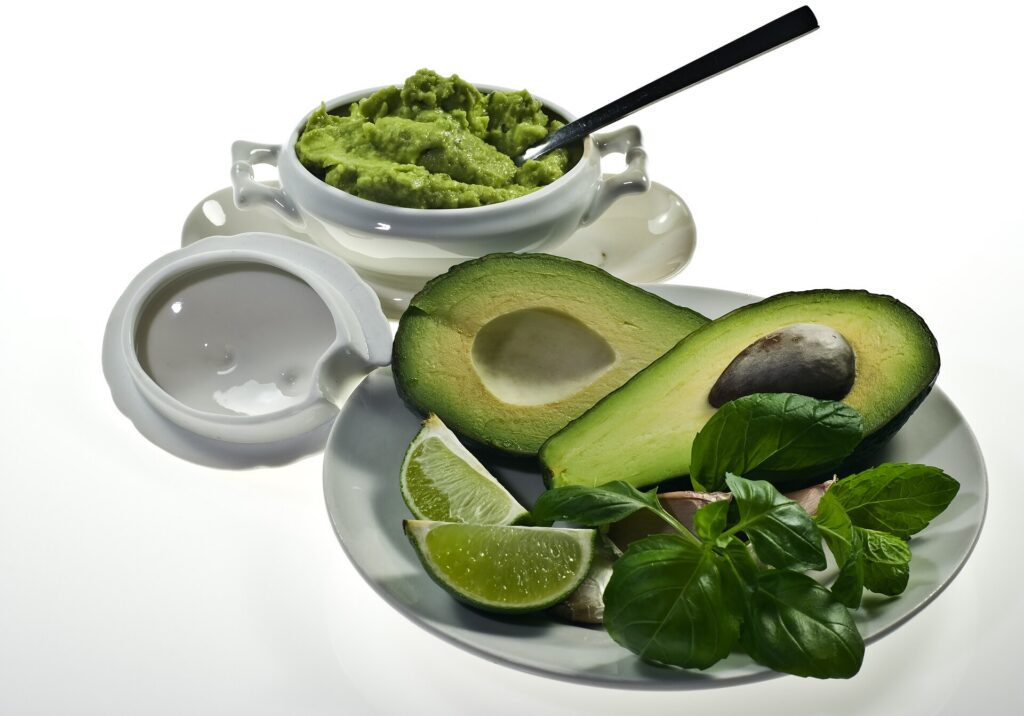
A bowl of fresh guacamole
Photo: Nikodem Nijaki / Wikimedia Commons (CC BY-SA 3.0)

Variations

Raw (cruda)

Skip the simmer and blend raw tomatillos for a sharper, more acidic salsa. Great with fish and seafood.

Roasted

Char the tomatillos and chiles under the broiler for a smoky, deeper flavor. Excellent with grilled meats.

Extra creamy

Add a spoonful of Mexican crema or a few tablespoons of oil while blending for a richer, emulsified salsa.

It should taste a little too salty on its own. On a taco, it will be exactly right.

Sofia, TacoProject

What to pair it with

  • Crispy carnitas or al pastor
  • Grilled carne asada and cebollitas
  • Battered fish tacos in the Baja style
  • Egg and potato breakfast tacos
  • Tortilla chips, obviously

A little history

Avocado-based table salsas have been part of northern Mexican taquerías for generations, where they were a thrifty way to stretch expensive avocados into a sauce that could dress dozens of tacos. The squeeze-bottle version spread north with taqueros who opened shops across Texas and California, and today many diners know it simply as the green sauce. Every taquería has its own ratio, and some add a little cooked onion or a splash of the tomatillo cooking water.

Why does it separate?

If you see a little water pooling after a day in the fridge, just shake or stir. If you want it fully stable, blend in a tablespoon of neutral oil at the end to create an emulsion. The lime and tomatillo acid help keep the color, but it is always best within two days.

Frequently asked questions

How long does avocado salsa verde keep?

Up to 3 days in the refrigerator in an airtight container. Press plastic wrap against the surface to limit browning.

Can I make it without avocado?

Yes; without avocado it becomes a classic cooked salsa verde. For creaminess without avocado, blend in a small handful of toasted pepitas.

How spicy is it?

With one serrano, it is medium. Remove the seeds to tame it or add a jalapeño or second serrano for more heat. Our salsa heat guide compares common chiles.


Next month brings something darker and smokier. Follow along and build your own salsa library one month at a time.

See the salsa heat guide

Written by Sofia Tran · Categorized: Recipes, Salsas & Toppings · Tagged: Cilantro, Guacamole, Quick & Easy, Salsa, salsa of the month, Salsa Verde

Jan 13 2026

Taco Tag Soup

Some tacos cannot be summed up in a single word. Last Tuesday we laid out everything in the fridge: fresh masa for the comal, three salsas, two cheeses, pickled onions, radishes, a mountain of cilantro and leftover suadero, lengua and tripa from the weekend.

The result was the most chaotic, delicious taco night of the year, and a post with more tags than we have ever used. Browse any of them below to find more from our archive.

A bowl of fresh guacamole
Photo: Nikodem Nijaki / Wikimedia Commons (CC BY-SA 3.0)

Written by Elena Ruiz · Categorized: Opinion · Tagged: Ancho, Chile de Árbol, Chipotle, Cilantro, Comal, Cotija, Crema, Guacamole, Guajillo, Habanero, Horchata, Lengua, Lime, Masa, Nixtamal, Pickled Onions, Pico de Gallo, Poblano, Queso Fresco, Radish, Salsa, Salsa Roja, Salsa Verde, Spicy, Street Food, Suadero, Taco Night, Taco Tuesday, Tacos de Canasta, Tacos Dorados, Tortilla Press, Tortillas, Tripa, Trompo, White Onion

Jan 28 2025

Three Essential Salsas: Verde, Roja and Pico de Gallo

Every great taquería has a salsa bar, and every great home cook has a few salsas in rotation. These three cover bright, smoky and fresh, and each takes less than 20 minutes.

A bowl of salsa verde
Photo: No machine-readable author provided. JED / Wikimedia Commons (CC BY-SA 2.5)

Salsa Verde

  • 1 lb tomatillos, husked
  • 1 to 2 serranos
  • 1/4 white onion
  • 1 garlic clove
  • 1/2 cup cilantro
  • Salt and lime

Boil or broil tomatillos, chiles, onion and garlic until soft and olive-colored. Blend with cilantro and salt. Tangy and perfect on carnitas.

Salsa Roja

  • 4 Roma tomatoes
  • 3 chiles de árbol
  • 2 guajillos
  • 2 garlic cloves
  • 1/4 onion
  • Salt

Char the tomatoes, onion and garlic on a comal; toast the chiles briefly. Blend with a splash of water and salt. Toasty, deep, great on al pastor.

Pico de Gallo

  • 4 Roma tomatoes, diced
  • 1/2 white onion, diced
  • 1 jalapeño, minced
  • 1/2 cup cilantro, chopped
  • Juice of 1 lime
  • Salt

Chop everything, toss with lime and salt, rest 10 minutes and drain the excess liquid. Fresh crunch for fish tacos.

Heat guide

SalsaHeatBest with
VerdeMediumCarnitas, eggs, chicken
RojaMedium-hotAl pastor, carne asada
Pico de galloMildFish tacos, anything grilled

Browse more in Salsas & Toppings.

  • Share on Twitter
  • Share on Facebook

Written by Marcus Bell · Categorized: Salsas & Toppings · Tagged: Quick & Easy, Salsa, Spicy

  • Page 1
  • Page 2
  • Go to Next Page »
  • About
  • Contact
  • FAQ
  • Taco Glossary
  • Privacy Policy

Copyright © 2026 · Altitude Pro on Genesis Framework · WordPress · Log in