• Skip to main content

TacoProject

Taco recipes, taquería reviews and regional guides from Austin: al pastor, birria, breakfast tacos, salsas and the stories behind them.

  • Start Here
  • Recipes
  • Styles
    • Baja California
    • Tex-Mex
    • Mexico City
    • Yucatán
  • Reviews
    • The List
    • Taquerías
    • Taco Finder
  • Guides
    • Taco Glossary
    • Salsa Heat Guide
    • Party Taco Calculator
    • Taco FAQ
    • Salsa Library
  • Gallery
  • Shop
    • My Account
    • Cart
  • About
    • Events
    • Contact
    • Privacy Policy

How-to

Nov 13 2026

Reader Mailbag: Tortillas, Salsa Storage and Reheating Tacos

Every few months we gather the questions you send us by email and on social media and answer as many as we can. This round, many of you wrote in about tortillas, which makes us very happy, plus salsas, leftovers and gear. Questions have been lightly edited for length.

Tortillas

“My homemade corn tortillas crack at the edges. What am I doing wrong?”

This is the most common question we get, and the answer is almost always water. The dough should feel like soft play clay and not crack when you press a ball between your palms. Add water a tablespoon at a time, knead, and rest the dough, covered, for 15 to 20 minutes before pressing. Also check that your comal is hot enough; tortillas cooked too slowly dry out. Our tortilla guide has photos of what the dough should look like.

“Is it worth making fresh masa from scratch?”

If you love cooking projects, absolutely. It is a weekend job, but the flavor is remarkable. Start with our new guide on nixtamalizing corn at home. If not, a good masa harina makes very good tortillas, and many Mexican markets in Austin sell fresh masa by the pound.

“Cast iron, aluminum or wood tortilla press?”

Cast iron is our choice: it is heavy, so you press with less effort, and it lasts forever. Aluminum presses are light and affordable but can bend over time. Wooden presses are beautiful and traditional, just larger. Whatever you choose, line it with two pieces of a cut zip-top bag, not plastic wrap.
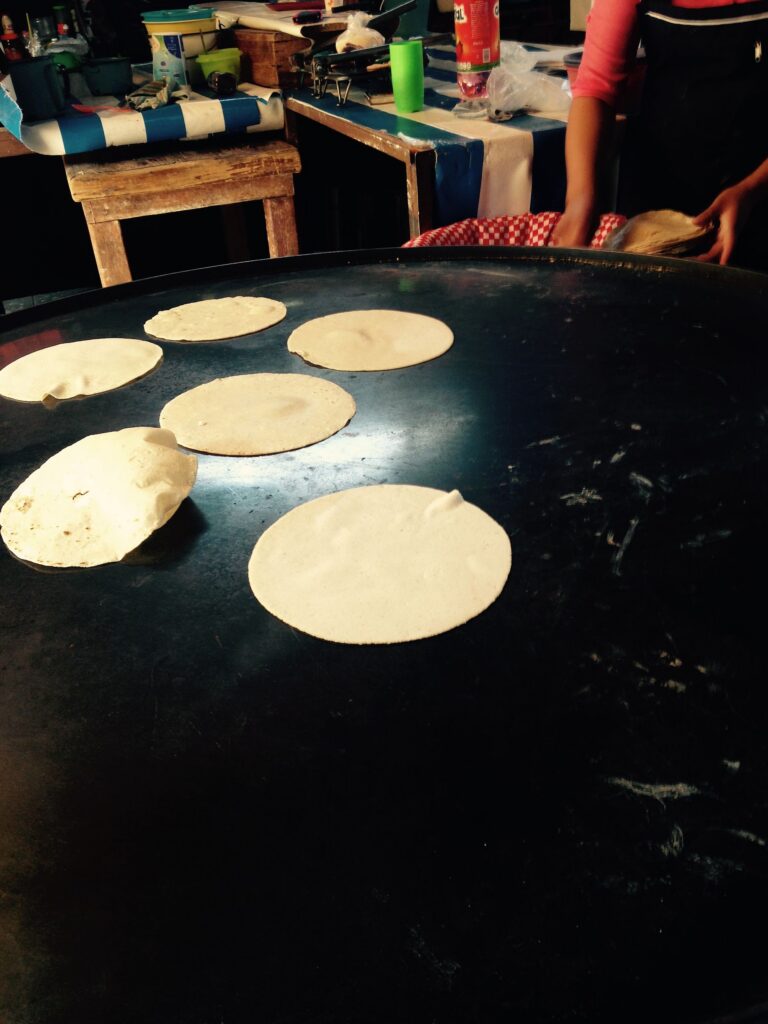
Corn tortillas cooking on a comal
Photo: Artemisa Martínez / Wikimedia Commons (CC0)

Salsas

“How long does homemade salsa really last?”

SalsaRefrigeratorFreezer
Pico de gallo1 to 2 daysNot recommended
Cooked salsa verde or roja5 to 7 daysUp to 3 months
Avocado salsa2 to 3 daysNot recommended
Oil-based salsas (macha, negra)Up to 2 weeksUp to 3 months

Always store salsa in a clean, airtight container and use a clean spoon. When in doubt, throw it out. Our three essential salsas include storage notes for each.

“Why is my salsa verde bitter?”

Most often it is overcooked tomatillos, or garlic that burned during roasting. Simmer tomatillos just until they turn olive green, and add a small pinch of sugar or more lime to balance any bitterness.


Leftovers

“What is the best way to reheat birria?”

Reheat the meat in its consommé over low heat on the stovetop, not in the microwave. For crispy quesabirria, dip tortillas in the fat skimmed from the top of the consommé, fill with meat and cheese, and griddle until crisp. The full method is in our birria recipe.

“How do I reheat corn tortillas without them going stiff?”

Heat them on a dry, hot comal or skillet for 20 to 30 seconds per side. If they are a bit dry, sprinkle a few drops of water on each before heating. Wrap them in a towel as they come off the heat so they steam gently.

Most tortilla problems come down to two things: water and heat.

Elena, TacoProject

One last question

“What is the one piece of equipment you would recommend for a new taco cook?”

A heavy comal or cast-iron skillet. It toasts chiles, chars tomatillos, warms tortillas and sears meat. After that, a tortilla press, which you will find in our shop.

Frequently asked questions

How do I send a question for the next mailbag?

Reply to any of our newsletters or reach out on social media. We read everything, even if we cannot answer every question.

Where can I look up unfamiliar terms?

Our taco glossary covers the vocabulary of the taco, from adobada to zacahuil.
Shop the cast-iron press

Written by Elena Ruiz · Categorized: Opinion · Tagged: Birria, How-to, mailbag, Salsa, Tortilla Press, Tortillas

Oct 13 2026

How to Nixtamalize Corn at Home for Fresh Masa

Every great corn tortilla starts with a process that is at least three thousand years old. Nixtamalization, from the Nahuatl words nextli (ashes) and tamalli (corn dough), is the practice of cooking and soaking dried corn in an alkaline solution. It loosens the tough outer hull, changes the proteins so the dough holds together, and makes niacin available to the body. Mesoamerican cooks figured this out millennia ago, and the technique is still the backbone of Mexican cooking.

Masa harina, the dried flour we use in our homemade corn tortilla recipe, is simply nixtamalized corn that has been ground and dehydrated. It is convenient and good. But fresh masa made from whole corn has a sweetness, aroma and chew that is hard to describe until you taste it. Here is how to make it at home.

Active timeSoakTotalYield
1 hour8 to 12 hoursAbout 14 hours3 lb masa (about 36 tortillas)

Ingredients and equipment

Ingredients

  • 2 lb dried field corn (dent or flint corn, not popcorn or sweet corn)
  • 4 quarts water
  • 2 tablespoons (about 20 g) food-grade calcium hydroxide, sold as cal or pickling lime
  • Salt, to taste, for the finished masa

Equipment

  • Large non-reactive pot (stainless steel or enameled; never aluminum)
  • Colander
  • Hand-crank grain mill, wet grinder or a strong food processor
  • Kitchen scale
  • A tortilla press and comal for testing

Step-by-step instructions

  1. Rinse the corn. Place the corn in a colander and rinse well, removing any debris or broken kernels.
  2. Dissolve the cal. In the pot, stir the cal into the water until dissolved. It will look milky. Wear gloves if you have sensitive skin; the solution is caustic.
  3. Cook the corn. Add the corn, bring to a boil, then reduce to a gentle simmer. Cook 15 to 30 minutes, until the skins slip off when you rub a kernel between your fingers and the kernels are just starting to soften. Different corn varieties vary widely, so start checking at 15 minutes.
  4. Soak overnight. Remove from the heat, cover and let the corn sit at room temperature 8 to 12 hours. The corn is now called nixtamal.
  5. Wash the nixtamal. Drain and rinse under cool running water, rubbing the kernels between your hands to remove loosened skins. Rinse two or three times. Leaving a little skin on gives more flavor and color; removing more gives a smoother masa.
  6. Grind. Grind the nixtamal in small batches, adding a splash of water as needed. For tortillas, aim for a smooth, slightly tacky dough. Two passes through a hand mill, tightening it on the second, usually does the trick.
  7. Season and knead. Knead in salt to taste and enough water to make a dough that feels like soft play clay and does not crack at the edges when you flatten a ball.
  8. Try a tortilla. Press a ball of masa and cook it on a hot comal. It should puff slightly on the second flip. If it cracks, add water; if it sticks to the press, knead in a little more ground masa.
A handmade tortilla on a comal
Photo: Juan Daniel Flores Romero / Wikimedia Commons (CC BY-SA 4.0)

Nixtamal is not a shortcut or a trick. It is the foundation that the rest of the cuisine was built on.

Marcus, TacoProject

Choosing your corn

Field corn comes in white, yellow, blue and red varieties, and each makes a slightly different masa. White is the most neutral and pliable. Yellow tastes a bit sweeter and more robust. Blue corn has an earthy, almost nutty flavor, though it can make a more delicate tortilla. Many heirloom Mexican varieties are now available from specialty importers, and Texas growers are beginning to supply local mills.

Corn typeCook timeFlavorBest for
White dent15-20 minClean, mildEveryday tortillas
Yellow dent20-25 minSweet, richTacos dorados, tostadas
Blue10-15 minEarthy, nuttyQuesadillas, tlacoyos
Red / heirloom15-25 minComplexSpecial occasions

Troubleshooting

  • Masa is gummy: the corn was overcooked. Next time, cook for less time and rely on the overnight soak.
  • Tortillas crack: the dough is too dry or the corn was undercooked. Add water a tablespoon at a time.
  • Bitter or soapy taste: too much cal, or the nixtamal was not rinsed thoroughly.
  • Tortillas do not puff: the comal may not be hot enough. See our tortilla guide for the flip method.

Frequently asked questions

Is calcium hydroxide safe to cook with?

Food-grade calcium hydroxide is safe in the amounts used for nixtamal and has been used for centuries. Handle the dry powder carefully, keep it away from children and wash the corn thoroughly after soaking.

Can I use a blender instead of a mill?

A high-powered blender or food processor can work in small batches with a little water, but the masa will be coarser and wetter. It is better suited to tamales than tortillas.

How long does fresh masa keep?

Fresh masa is best used the same day. Refrigerate it wrapped tightly for up to 2 days, or freeze it in portions for up to a month.


Unfamiliar with some of these terms? Our taco glossary explains nixtamal, cal, comal and more. And if you are ready to press, a heavy cast-iron press makes all the difference.

Shop the tortilla press
Tortilla basics

Written by Marcus Bell · Categorized: Recipes, Taco History · Tagged: History, How-to, Masa, Nixtamal, Tortillas

Nov 02 2025

Protected: Members Only: Our Secret Birria Consommé Ratios

This content is password-protected. To view it, please enter the password below.

Written by tacoproject · Categorized: Recipes · Tagged: Birria, How-to, Slow Cooked

Jul 14 2025

The Complete Guide to Taco Fillings, A to Z

Walk up to any serious taqueria and the menu board can look like a vocabulary test. Suadero, cabeza, buche, tripa, lengua, campechano: every word is a filling, and every filling has its own history, technique and ideal salsa. This guide is our attempt to put the whole alphabet on one page, from adobada to zarandeado, with notes on how each one is cooked, where it comes from and what we like to eat it with.

It is not a complete encyclopedia. Mexico has thousands of regional variations, and any taquero will happily tell you that their version is the correct one. Think of this as a field guide: enough to order confidently, cook a few at home and know what you are looking at when a new truck opens down the street.

[Read more…] about The Complete Guide to Taco Fillings, A to Z

Written by tacoproject · Categorized: Recipes, Regional Styles · Tagged: Al Pastor, Barbacoa, Birria, Carnitas, Fish Tacos, History, How-to

Aug 27 2024

Salt & Lime for “Perfect” Tacos — 100% O’Brien-Approved

Pat O’Brien runs the grill at our neighborhood cookout, and his tacos are “perfect” by popular vote. His rules for salt & lime:

  1. Salt the meat, not the tortilla. 1 tsp per pound < 2 tsp, always.
  2. Squeeze the lime right before eating, never before plating.
  3. Flaky salt & a lime wedge on every plate: 100% non-negotiable.

As Pat says: “If it needs ketchup, you’ve done something wrong.” </rant>

Written by tacoproject · Categorized: Salsas & Toppings · Tagged: How-to, Quick & Easy

May 22 2024

How to Make Homemade Corn Tortillas from Masa Harina

Prep (min)

15

Cook (min)

20

Total

35 min

Serves

16 tortillas

Difficulty

Easy

Heat 🌶

1

🥄 Pairs well with: Salsa Macha

A fresh corn tortilla is a different food from the stiff, bagged kind. The good news: masa harina, dried and ground nixtamalized corn, makes excellent tortillas with just water and salt. Nixtamalization, soaking corn in an alkaline solution of slaked lime, is a technique developed in Mesoamerica thousands of years ago. It loosens the hulls, makes the dough hold together, and unlocks niacin.

What you need

  • 2 cups masa harina (Maseca or a stone-ground brand)
  • 1 1/2 to 1 3/4 cups hot tap water
  • 1/2 tsp salt (optional)
  • A tortilla press (or a heavy pan and a flat plate)
  • A plastic bag cut into two squares
  • A comal, cast-iron skillet or griddle

Method

  1. Mix masa harina and salt, then add 1 1/2 cups hot water. Knead for 2 minutes. The dough should feel like soft Play-Doh and not stick to your hands.
  2. Cover and rest for 15 minutes so the flour fully hydrates.
  3. Heat your comal over medium-high heat. No oil.
  4. Roll a golf-ball-sized piece of dough, place it between the plastic squares, and press to about 1/16 inch thick.
  5. Peel off the plastic and lay the tortilla on the comal. Cook 30 seconds, until it releases.
  6. Flip and cook 45 to 60 seconds, until spotted underneath.
  7. Flip again. Press gently with your fingertips; if the tortilla puffs, you have done it right.
  8. Stack in a towel-lined basket. They continue steaming and softening as they rest.
A handmade tortilla on a comal
Photo: Juan Daniel Flores Romero / Wikimedia Commons (CC BY-SA 4.0)

Troubleshooting

ProblemLikely causeFix
Edges crack when pressedDough too dryKnead in water 1 tbsp at a time
Sticks to the plasticDough too wetKnead in a little masa harina
Stiff and leatheryComal too cool, cooked too longRaise heat; cook faster
Raw in the middlePressed too thickPress thinner or rotate the tortilla halfway
Never puffsHeat too low, or skipped the final flipHotter comal; press gently after the second flip
Tears when flippingFlipped too earlyWait until the edges lift on their own

The official tortilla hydration formula

For the engineers in the audience, we have reduced the process to science. Please do not cite this.

# tortilla_hydration.py  (results not peer reviewed)
water_cups = masa_cups * 0.8
           + humidity_penalty(kitchen)
           + 0.1 * abuela_is_watching
           - 0.05 * times_you_said_"it is fine"

if dough.cracks():
    water_cups += 1 / 16   # add a splash, knead, repeat
elif dough.sticks_to(hands):
    water_cups -= 1 / 16   # you went too far
else:
    return "perfect. stop measuring and start pressing."

Now go put them to work in some al pastor.

  • Share on Twitter
  • Share on Facebook

Made this recipe? Leave a comment below and tell us what you changed. Find more ideas in the Salsa Heat Guide and the Taco Glossary.

More Recipes

Written by Sofia Tran · Categorized: Recipes · Tagged: How-to, Tortillas

  • About
  • Contact
  • FAQ
  • Taco Glossary
  • Privacy Policy

Copyright © 2026 · Altitude Pro on Genesis Framework · WordPress · Log in