• Skip to main content

TacoProject

Taco recipes, taquería reviews and regional guides from Austin: al pastor, birria, breakfast tacos, salsas and the stories behind them.

  • Start Here
  • Recipes
  • Styles
    • Baja California
    • Tex-Mex
    • Mexico City
    • Yucatán
  • Reviews
    • The List
    • Taquerías
    • Taco Finder
  • Guides
    • Taco Glossary
    • Salsa Heat Guide
    • Party Taco Calculator
    • Taco FAQ
    • Salsa Library
  • Gallery
  • Shop
    • My Account
    • Cart
  • About
    • Events
    • Contact
    • Privacy Policy

Tortillas

Nov 20 2026

The 2026 TacoProject Holiday Gift Guide

Every year, friends and family ask us what to buy the taco lover in their lives. So we asked our team what they actually use, love and would be thrilled to unwrap. This is that list: practical tools, pantry staples and a few fun extras, at prices from about $10 to $100.

Some of the items are available in our own TacoProject shop; purchases there support the site and our community events. Others you can find at local Mexican markets and kitchen shops around Austin.

For the home cook

Cast-iron tortilla press

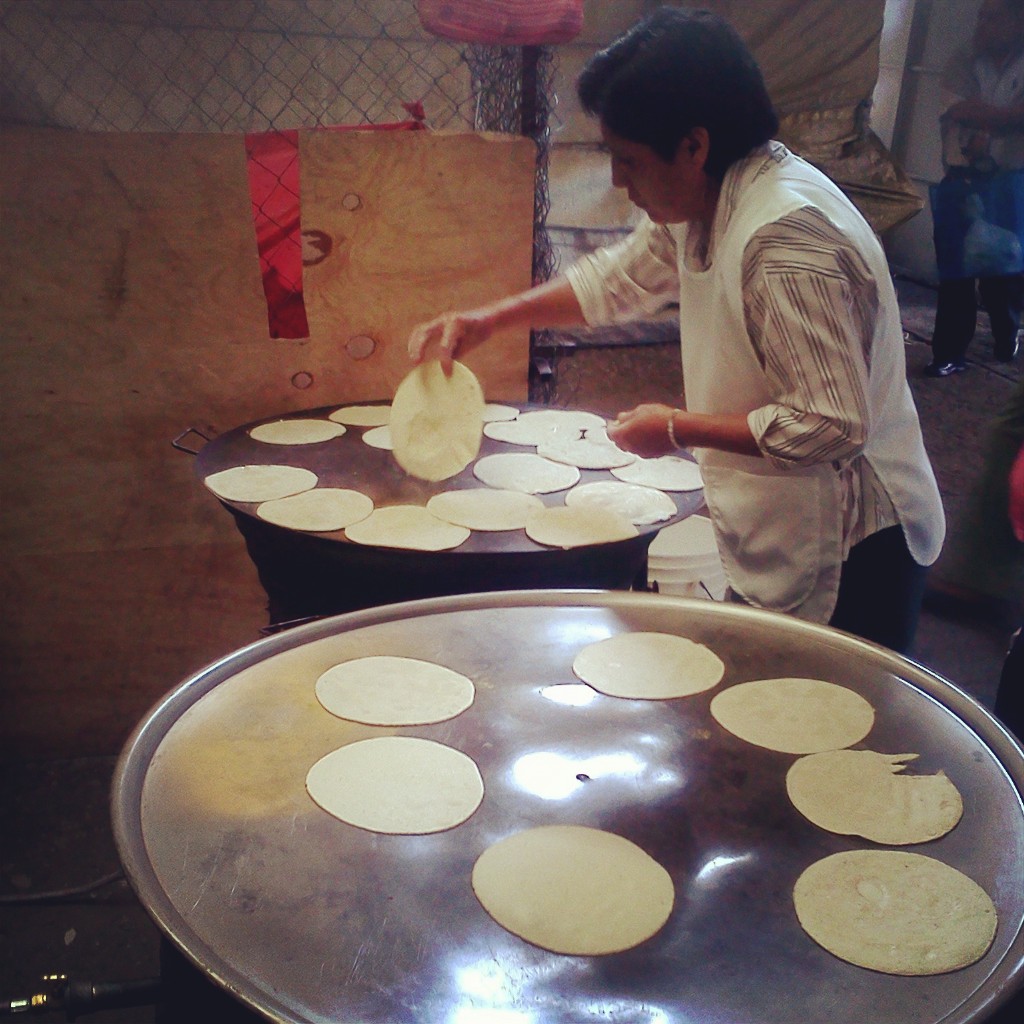
If you buy one thing from this list, make it a good press. Our 8-inch cast-iron tortilla press is heavy enough to press evenly with minimal effort, and it will outlast the rest of your kitchen. It pairs perfectly with our corn tortilla guide.

A proper comal

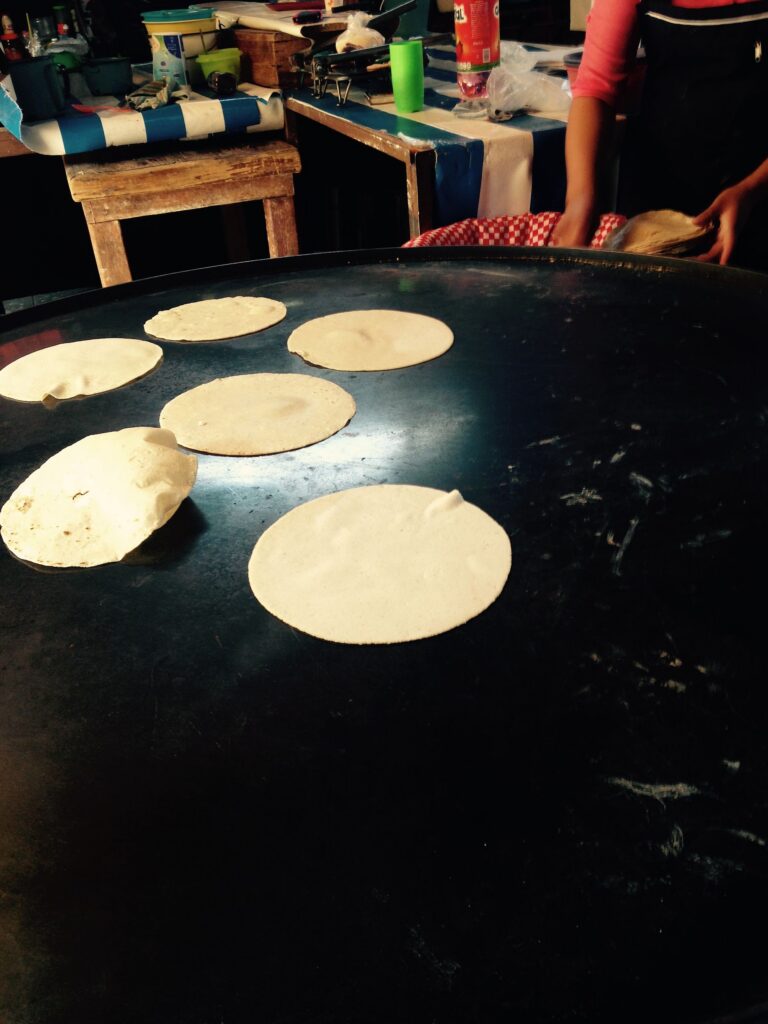
A flat comal, cast iron or carbon steel, is the most versatile tool in a Mexican kitchen. It warms tortillas, toasts chiles and spices, and chars tomatoes and tomatillos for salsa. Look for one that fits across two burners.
A handmade tortilla on a comal
Photo: Juan Daniel Flores Romero / Wikimedia Commons (CC BY-SA 4.0)

Molcajete

A volcanic stone mortar and pestle for grinding salsas and guacamole. A real molcajete needs to be seasoned by grinding rice a few times before first use, but it makes salsas with a texture no blender can match.

Tortilla warmer

A simple cloth or insulated warmer keeps a stack of tortillas soft and hot throughout dinner. Inexpensive, useful and often beautifully embroidered.


For the pantry

  • A dried chile sampler: guajillo, ancho, pasilla, árbol and chipotle. Pair it with a copy of our salsa heat guide.
  • Heirloom masa harina or fresh nixtamal corn for the ambitious cook.
  • Mexican oregano, achiote paste and canela for al pastor, cochinita and more.
  • Good vanilla and piloncillo for holiday baking.

For the taco fan

TacoProject tee

Our TacoProject tee is soft, durable and made for Taco Tuesday. Available in several colors and sizes.

A taco crawl

Plan an Austin taco crawl as a gift. Use our taquería directory and the truck roundup we published in October to build the route.

The best gifts are the ones that get used every week. A press and a comal will.

Elena, TacoProject

Stocking stuffers

Small gifts can be just as useful. A pair of sturdy metal tongs for flipping tortillas, a set of squeeze bottles for homemade salsas, a jar of salsa macha from a local maker, or a bag of Mexican cinnamon for horchata and champurrado all fit neatly in a stocking and will get plenty of use.

Gifts by budget

BudgetGift idea
Under $25Dried chile sampler, tortilla warmer, spice set
$25 to $50TacoProject tee, carbon steel comal, cookbook
$50 to $100Cast-iron tortilla press, molcajete, taco crawl

For the reader

A good cookbook about regional Mexican cooking makes a thoughtful gift for anyone who wants to go deeper than weeknight tacos. Look for books written by cooks from the regions they describe, with chapters on salsas, masa and the dried chile pantry. Pair one with a bag of heirloom corn and a note promising a tortilla-making afternoon together, and you have a gift that turns into an experience.

Gifts for the whole team

Hosting a party or buying for coworkers? A taco night kit makes a great group gift: a bag of masa harina, a jar of homemade salsa, a small bag of dried chiles and a card with our three essential salsas recipe.

Frequently asked questions

When should I order for the holidays?

We recommend ordering from our shop by mid-December for delivery before the holidays. Check the shop page for current shipping times.

What size tortilla press should I buy?

An 8-inch press is the most versatile size for tacos. It makes standard 5- to 6-inch tortillas and smaller street-taco rounds.

Visit the shop
Tortilla press
TacoProject tee

Written by Elena Ruiz · Categorized: Opinion · Tagged: Comal, gift guide, Taco Night, Tortilla Press, Tortillas

Nov 13 2026

Reader Mailbag: Tortillas, Salsa Storage and Reheating Tacos

Every few months we gather the questions you send us by email and on social media and answer as many as we can. This round, many of you wrote in about tortillas, which makes us very happy, plus salsas, leftovers and gear. Questions have been lightly edited for length.

Tortillas

“My homemade corn tortillas crack at the edges. What am I doing wrong?”

This is the most common question we get, and the answer is almost always water. The dough should feel like soft play clay and not crack when you press a ball between your palms. Add water a tablespoon at a time, knead, and rest the dough, covered, for 15 to 20 minutes before pressing. Also check that your comal is hot enough; tortillas cooked too slowly dry out. Our tortilla guide has photos of what the dough should look like.

“Is it worth making fresh masa from scratch?”

If you love cooking projects, absolutely. It is a weekend job, but the flavor is remarkable. Start with our new guide on nixtamalizing corn at home. If not, a good masa harina makes very good tortillas, and many Mexican markets in Austin sell fresh masa by the pound.

“Cast iron, aluminum or wood tortilla press?”

Cast iron is our choice: it is heavy, so you press with less effort, and it lasts forever. Aluminum presses are light and affordable but can bend over time. Wooden presses are beautiful and traditional, just larger. Whatever you choose, line it with two pieces of a cut zip-top bag, not plastic wrap.

Corn tortillas cooking on a comal
Photo: Artemisa Martínez / Wikimedia Commons (CC0)

Salsas

“How long does homemade salsa really last?”

SalsaRefrigeratorFreezer
Pico de gallo1 to 2 daysNot recommended
Cooked salsa verde or roja5 to 7 daysUp to 3 months
Avocado salsa2 to 3 daysNot recommended
Oil-based salsas (macha, negra)Up to 2 weeksUp to 3 months

Always store salsa in a clean, airtight container and use a clean spoon. When in doubt, throw it out. Our three essential salsas include storage notes for each.

“Why is my salsa verde bitter?”

Most often it is overcooked tomatillos, or garlic that burned during roasting. Simmer tomatillos just until they turn olive green, and add a small pinch of sugar or more lime to balance any bitterness.


Leftovers

“What is the best way to reheat birria?”

Reheat the meat in its consommé over low heat on the stovetop, not in the microwave. For crispy quesabirria, dip tortillas in the fat skimmed from the top of the consommé, fill with meat and cheese, and griddle until crisp. The full method is in our birria recipe.

“How do I reheat corn tortillas without them going stiff?”

Heat them on a dry, hot comal or skillet for 20 to 30 seconds per side. If they are a bit dry, sprinkle a few drops of water on each before heating. Wrap them in a towel as they come off the heat so they steam gently.

Most tortilla problems come down to two things: water and heat.

Elena, TacoProject

One last question

“What is the one piece of equipment you would recommend for a new taco cook?”

A heavy comal or cast-iron skillet. It toasts chiles, chars tomatillos, warms tortillas and sears meat. After that, a tortilla press, which you will find in our shop.

Frequently asked questions

How do I send a question for the next mailbag?

Reply to any of our newsletters or reach out on social media. We read everything, even if we cannot answer every question.

Where can I look up unfamiliar terms?

Our taco glossary covers the vocabulary of the taco, from adobada to zacahuil.

Shop the cast-iron press

Written by Elena Ruiz · Categorized: Opinion · Tagged: Birria, How-to, mailbag, Salsa, Tortilla Press, Tortillas

Nov 06 2026

Sonora: Carne Asada, Flour Tortillas and the Tacos of the North

If central Mexico is corn country, Sonora is cattle and wheat country. The state sits along the Arizona border and the Gulf of California, a landscape of desert, ranches and irrigated farmland. Its cooking reflects that: beef grilled over mesquite, flour tortillas so thin you can see light through them, and a style of taco that is simple, smoky and generous.

For Texans, Sonoran food feels familiar and distinct at the same time. We share the ranching culture and the love of flour tortillas, but Sonora has its own way of doing things, and it is one of the most satisfying regional styles to explore.

Why wheat?

Wheat arrived with the Spanish, and it thrived in the arid north, where it grew more reliably than corn in some areas. Over centuries, flour tortillas became the everyday bread of the region. In Sonora they reach their most dramatic form in the tortilla sobaquera, stretched by hand to a diameter of a foot and a half or more, so thin it is nearly translucent. Traditionally made with lard, they are cooked briefly on a large comal and folded in quarters to serve.

Corn tortillas cooking on a comal
Photo: Artemisa Martínez / Wikimedia Commons (CC0)

Carne asada, the Sonoran way

Sonoran beef has a reputation throughout Mexico, and carne asada is the regional ritual. The meat, often thin-cut arrachera (skirt) or diezmillo (chuck), is seasoned with little more than coarse salt and grilled over mesquite coals. The smoke does the rest. At taquerías in Hermosillo, the beef is chopped fresh from the grill and served on corn or flour tortillas with a spread of condiments: guacamole, salsa, grilled green onions, cucumbers and radishes.

In Sonora, the seasoning is salt and the smoke is mesquite. Everything else is a condiment.

Marcus, TacoProject

Tacos and dishes to know

  • Carne asada tacos: mesquite-grilled beef on corn or flour tortillas, with a self-serve condiment bar.
  • Caramelos: a flour tortilla with melted cheese and carne asada, folded like a quesadilla.
  • Burros: the Sonoran burrito, a large, thin flour tortilla wrapped around beans, beef or machaca.
  • Machaca: dried, shredded beef, often scrambled with egg for breakfast.
  • Cahuamanta: a stew of manta ray and shrimp from the coast near Guaymas, also served in tacos.
  • Sonoran hot dogs: bacon-wrapped franks with beans, tomato and mayonnaise, famous on both sides of the border.
  • Coyotas: flaky, flat pastries filled with piloncillo, a specialty of Hermosillo.

The salsa bar

Sonoran taquerías are known for generous condiments. A creamy guacamole-style salsa, a fiery chiltepín salsa, and a thin tomato salsa are common. The chiltepín, a tiny, wild chile that grows in the Sonoran desert, is intensely hot and adored locally. If you want to cook Sonoran-style at home, the avocado salsa verde in our salsa-of-the-month series is a very close relative of what you will find at the stands, and our salsa heat guide can help you pace the chiltepín.

Sonora vs. Tex-Mex

SonoraTex-Mex
TortillaVery thin flour, sobaqueraThicker flour, often with baking powder
BeefMesquite-grilled, salt onlyFajitas, often marinated
CheeseQueso fresco, ChihuahuaCheddar, yellow cheese
Signature chileChiltepínJalapeño

How to cook Sonoran at home

  1. Buy good skirt steak and season generously with coarse salt 30 minutes before cooking.
  2. Grill over mesquite charcoal or lump charcoal with a few mesquite chunks, as hot as you can.
  3. Chop the beef finely right off the grill.
  4. Serve with thin flour tortillas, guacamole, grilled green onions and a hot salsa.
  5. Make caramelos with any leftovers.

For a crowd, follow our game-day carne asada taco bar, but skip the citrus marinade for a more Sonoran approach.


Sonora is just one of the regions we explore. Continue with Baja, its neighbor across the Gulf of California, or see all of our regional guides.

All regional styles

Written by Marcus Bell · Categorized: Regional Styles · Tagged: carne asada, History, Salsa, Sonora, Street Food, Tortillas

Oct 13 2026

How to Nixtamalize Corn at Home for Fresh Masa

Every great corn tortilla starts with a process that is at least three thousand years old. Nixtamalization, from the Nahuatl words nextli (ashes) and tamalli (corn dough), is the practice of cooking and soaking dried corn in an alkaline solution. It loosens the tough outer hull, changes the proteins so the dough holds together, and makes niacin available to the body. Mesoamerican cooks figured this out millennia ago, and the technique is still the backbone of Mexican cooking.

Masa harina, the dried flour we use in our homemade corn tortilla recipe, is simply nixtamalized corn that has been ground and dehydrated. It is convenient and good. But fresh masa made from whole corn has a sweetness, aroma and chew that is hard to describe until you taste it. Here is how to make it at home.

Active timeSoakTotalYield
1 hour8 to 12 hoursAbout 14 hours3 lb masa (about 36 tortillas)

Ingredients and equipment

Ingredients

  • 2 lb dried field corn (dent or flint corn, not popcorn or sweet corn)
  • 4 quarts water
  • 2 tablespoons (about 20 g) food-grade calcium hydroxide, sold as cal or pickling lime
  • Salt, to taste, for the finished masa

Equipment

  • Large non-reactive pot (stainless steel or enameled; never aluminum)
  • Colander
  • Hand-crank grain mill, wet grinder or a strong food processor
  • Kitchen scale
  • A tortilla press and comal for testing

Step-by-step instructions

  1. Rinse the corn. Place the corn in a colander and rinse well, removing any debris or broken kernels.
  2. Dissolve the cal. In the pot, stir the cal into the water until dissolved. It will look milky. Wear gloves if you have sensitive skin; the solution is caustic.
  3. Cook the corn. Add the corn, bring to a boil, then reduce to a gentle simmer. Cook 15 to 30 minutes, until the skins slip off when you rub a kernel between your fingers and the kernels are just starting to soften. Different corn varieties vary widely, so start checking at 15 minutes.
  4. Soak overnight. Remove from the heat, cover and let the corn sit at room temperature 8 to 12 hours. The corn is now called nixtamal.
  5. Wash the nixtamal. Drain and rinse under cool running water, rubbing the kernels between your hands to remove loosened skins. Rinse two or three times. Leaving a little skin on gives more flavor and color; removing more gives a smoother masa.
  6. Grind. Grind the nixtamal in small batches, adding a splash of water as needed. For tortillas, aim for a smooth, slightly tacky dough. Two passes through a hand mill, tightening it on the second, usually does the trick.
  7. Season and knead. Knead in salt to taste and enough water to make a dough that feels like soft play clay and does not crack at the edges when you flatten a ball.
  8. Try a tortilla. Press a ball of masa and cook it on a hot comal. It should puff slightly on the second flip. If it cracks, add water; if it sticks to the press, knead in a little more ground masa.
A handmade tortilla on a comal
Photo: Juan Daniel Flores Romero / Wikimedia Commons (CC BY-SA 4.0)

Nixtamal is not a shortcut or a trick. It is the foundation that the rest of the cuisine was built on.

Marcus, TacoProject

Choosing your corn

Field corn comes in white, yellow, blue and red varieties, and each makes a slightly different masa. White is the most neutral and pliable. Yellow tastes a bit sweeter and more robust. Blue corn has an earthy, almost nutty flavor, though it can make a more delicate tortilla. Many heirloom Mexican varieties are now available from specialty importers, and Texas growers are beginning to supply local mills.

Corn typeCook timeFlavorBest for
White dent15-20 minClean, mildEveryday tortillas
Yellow dent20-25 minSweet, richTacos dorados, tostadas
Blue10-15 minEarthy, nuttyQuesadillas, tlacoyos
Red / heirloom15-25 minComplexSpecial occasions

Troubleshooting

  • Masa is gummy: the corn was overcooked. Next time, cook for less time and rely on the overnight soak.
  • Tortillas crack: the dough is too dry or the corn was undercooked. Add water a tablespoon at a time.
  • Bitter or soapy taste: too much cal, or the nixtamal was not rinsed thoroughly.
  • Tortillas do not puff: the comal may not be hot enough. See our tortilla guide for the flip method.

Frequently asked questions

Is calcium hydroxide safe to cook with?

Food-grade calcium hydroxide is safe in the amounts used for nixtamal and has been used for centuries. Handle the dry powder carefully, keep it away from children and wash the corn thoroughly after soaking.

Can I use a blender instead of a mill?

A high-powered blender or food processor can work in small batches with a little water, but the masa will be coarser and wetter. It is better suited to tamales than tortillas.

How long does fresh masa keep?

Fresh masa is best used the same day. Refrigerate it wrapped tightly for up to 2 days, or freeze it in portions for up to a month.


Unfamiliar with some of these terms? Our taco glossary explains nixtamal, cal, comal and more. And if you are ready to press, a heavy cast-iron press makes all the difference.

Shop the tortilla press
Tortilla basics

Written by Marcus Bell · Categorized: Recipes, Taco History · Tagged: History, How-to, Masa, Nixtamal, Tortillas

Jan 13 2026

Taco Tag Soup

Some tacos cannot be summed up in a single word. Last Tuesday we laid out everything in the fridge: fresh masa for the comal, three salsas, two cheeses, pickled onions, radishes, a mountain of cilantro and leftover suadero, lengua and tripa from the weekend.

The result was the most chaotic, delicious taco night of the year, and a post with more tags than we have ever used. Browse any of them below to find more from our archive.

A bowl of fresh guacamole
Photo: Nikodem Nijaki / Wikimedia Commons (CC BY-SA 3.0)

Written by Elena Ruiz · Categorized: Opinion · Tagged: Ancho, Chile de Árbol, Chipotle, Cilantro, Comal, Cotija, Crema, Guacamole, Guajillo, Habanero, Horchata, Lengua, Lime, Masa, Nixtamal, Pickled Onions, Pico de Gallo, Poblano, Queso Fresco, Radish, Salsa, Salsa Roja, Salsa Verde, Spicy, Street Food, Suadero, Taco Night, Taco Tuesday, Tacos de Canasta, Tacos Dorados, Tortilla Press, Tortillas, Tripa, Trompo, White Onion

Sep 02 2025

タコス in Tokyo: Taco Culture in Japan

Japan’s relationship with tacos started in an unexpected place: Okinawa. In 1984, a restaurant owner in the town of Kin created タコライス (taco rice), serving seasoned ground beef, lettuce, cheese and tomato over a bowl of rice. It was inspired by tacos popular with American service members stationed nearby, and it is now a beloved Okinawan comfort food.

東京では、近年タコスの人気が高まっています。手作りのトルティーヤを使うタケリアも増えてきました。

In Tokyo, tacos have grown more popular in recent years, and more taquerias are making their own tortillas.

A traditional taqueria
Photo: Myyo / Wikimedia Commons (Public domain)

What to expect / 期待できること

  • タコライス (taco rice) in Okinawa, everywhere from diners to convenience stores
  • Small, carefully made tacos with Japanese ingredients, such as 照り焼き (teriyaki) chicken or 天ぷら (tempura) fish
  • Imported dried chiles and masa harina at specialty grocers
  • サルサ (salsa) that is usually milder than in Mexico, but often made with great care

タコスは、みんなで楽しむ食べ物です。

Tacos are food for everyone to enjoy together.

A Tokyo taco shop owner

Useful phrases / 便利なフレーズ

English日本語Romaji
Two tacos, pleaseタコスを二つくださいTakosu o futatsu kudasai
Is it spicy?辛いですか?Karai desu ka?
Delicious!おいしい!Oishii!

Written by Elena Ruiz · Categorized: Regional Styles · Tagged: Street Food, Tortillas

  • Page 1
  • Page 2
  • Go to Next Page »
  • About
  • Contact
  • FAQ
  • Taco Glossary
  • Privacy Policy

Copyright © 2026 · Altitude Pro on Genesis Framework · WordPress · Log in