• Skip to main content

TacoProject

Taco recipes, taquería reviews and regional guides from Austin: al pastor, birria, breakfast tacos, salsas and the stories behind them.

  • Start Here
  • Recipes
  • Styles
    • Baja California
    • Tex-Mex
    • Mexico City
    • Yucatán
  • Reviews
    • The List
    • Taquerías
    • Taco Finder
  • Guides
    • Taco Glossary
    • Salsa Heat Guide
    • Party Taco Calculator
    • Taco FAQ
    • Salsa Library
  • Gallery
  • Shop
    • My Account
    • Cart
  • About
    • Events
    • Contact
    • Privacy Policy

Elena Ruiz

Nov 20 2026

The 2026 TacoProject Holiday Gift Guide

Every year, friends and family ask us what to buy the taco lover in their lives. So we asked our team what they actually use, love and would be thrilled to unwrap. This is that list: practical tools, pantry staples and a few fun extras, at prices from about $10 to $100.

Some of the items are available in our own TacoProject shop; purchases there support the site and our community events. Others you can find at local Mexican markets and kitchen shops around Austin.

For the home cook

Cast-iron tortilla press

If you buy one thing from this list, make it a good press. Our 8-inch cast-iron tortilla press is heavy enough to press evenly with minimal effort, and it will outlast the rest of your kitchen. It pairs perfectly with our corn tortilla guide.

A proper comal

A flat comal, cast iron or carbon steel, is the most versatile tool in a Mexican kitchen. It warms tortillas, toasts chiles and spices, and chars tomatoes and tomatillos for salsa. Look for one that fits across two burners.
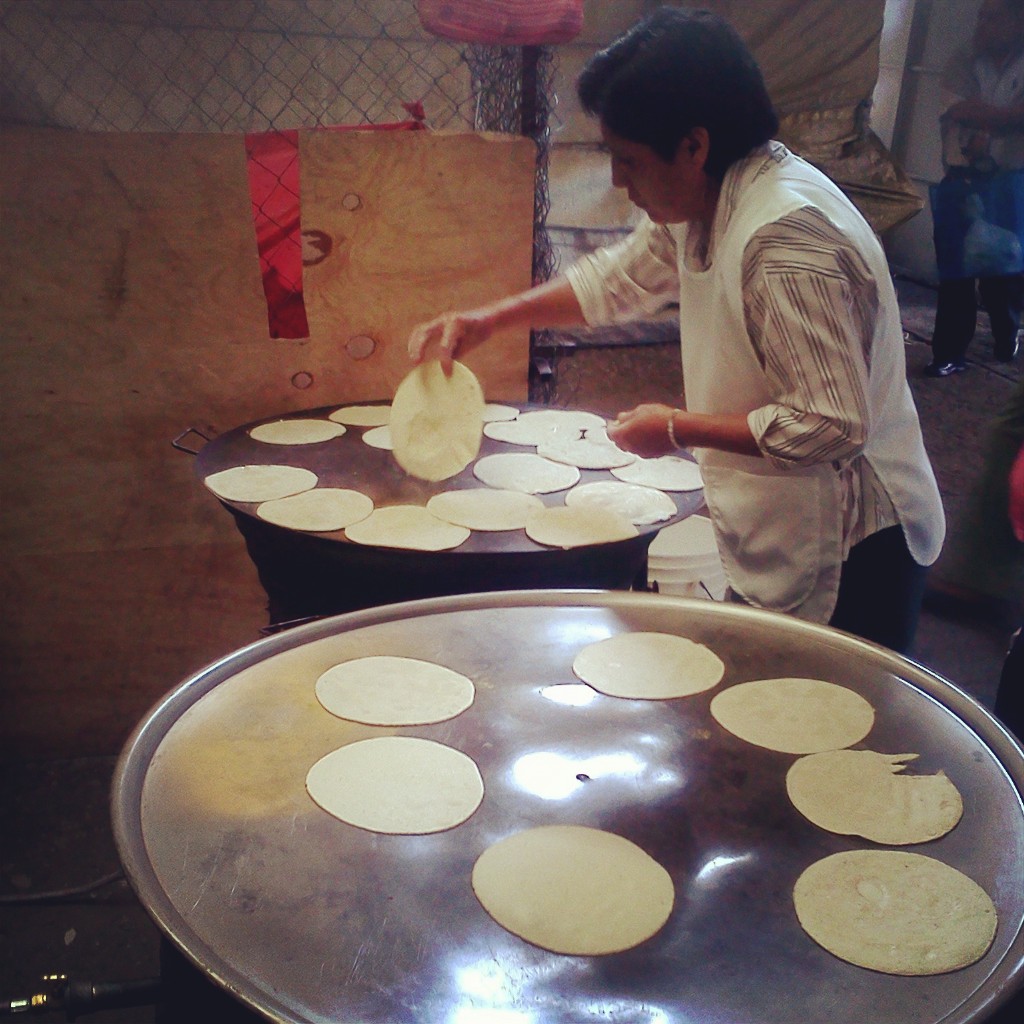
A handmade tortilla on a comal
Photo: Juan Daniel Flores Romero / Wikimedia Commons (CC BY-SA 4.0)

Molcajete

A volcanic stone mortar and pestle for grinding salsas and guacamole. A real molcajete needs to be seasoned by grinding rice a few times before first use, but it makes salsas with a texture no blender can match.

Tortilla warmer

A simple cloth or insulated warmer keeps a stack of tortillas soft and hot throughout dinner. Inexpensive, useful and often beautifully embroidered.


For the pantry

  • A dried chile sampler: guajillo, ancho, pasilla, árbol and chipotle. Pair it with a copy of our salsa heat guide.
  • Heirloom masa harina or fresh nixtamal corn for the ambitious cook.
  • Mexican oregano, achiote paste and canela for al pastor, cochinita and more.
  • Good vanilla and piloncillo for holiday baking.

For the taco fan

TacoProject tee

Our TacoProject tee is soft, durable and made for Taco Tuesday. Available in several colors and sizes.

A taco crawl

Plan an Austin taco crawl as a gift. Use our taquería directory and the truck roundup we published in October to build the route.

The best gifts are the ones that get used every week. A press and a comal will.

Elena, TacoProject

Stocking stuffers

Small gifts can be just as useful. A pair of sturdy metal tongs for flipping tortillas, a set of squeeze bottles for homemade salsas, a jar of salsa macha from a local maker, or a bag of Mexican cinnamon for horchata and champurrado all fit neatly in a stocking and will get plenty of use.

Gifts by budget

BudgetGift idea
Under $25Dried chile sampler, tortilla warmer, spice set
$25 to $50TacoProject tee, carbon steel comal, cookbook
$50 to $100Cast-iron tortilla press, molcajete, taco crawl

For the reader

A good cookbook about regional Mexican cooking makes a thoughtful gift for anyone who wants to go deeper than weeknight tacos. Look for books written by cooks from the regions they describe, with chapters on salsas, masa and the dried chile pantry. Pair one with a bag of heirloom corn and a note promising a tortilla-making afternoon together, and you have a gift that turns into an experience.

Gifts for the whole team

Hosting a party or buying for coworkers? A taco night kit makes a great group gift: a bag of masa harina, a jar of homemade salsa, a small bag of dried chiles and a card with our three essential salsas recipe.

Frequently asked questions

When should I order for the holidays?

We recommend ordering from our shop by mid-December for delivery before the holidays. Check the shop page for current shipping times.

What size tortilla press should I buy?

An 8-inch press is the most versatile size for tacos. It makes standard 5- to 6-inch tortillas and smaller street-taco rounds.
Visit the shop
Tortilla press
TacoProject tee

Written by Elena Ruiz · Categorized: Opinion · Tagged: Comal, gift guide, Taco Night, Tortilla Press, Tortillas

Nov 13 2026

Reader Mailbag: Tortillas, Salsa Storage and Reheating Tacos

Every few months we gather the questions you send us by email and on social media and answer as many as we can. This round, many of you wrote in about tortillas, which makes us very happy, plus salsas, leftovers and gear. Questions have been lightly edited for length.

Tortillas

“My homemade corn tortillas crack at the edges. What am I doing wrong?”

This is the most common question we get, and the answer is almost always water. The dough should feel like soft play clay and not crack when you press a ball between your palms. Add water a tablespoon at a time, knead, and rest the dough, covered, for 15 to 20 minutes before pressing. Also check that your comal is hot enough; tortillas cooked too slowly dry out. Our tortilla guide has photos of what the dough should look like.

“Is it worth making fresh masa from scratch?”

If you love cooking projects, absolutely. It is a weekend job, but the flavor is remarkable. Start with our new guide on nixtamalizing corn at home. If not, a good masa harina makes very good tortillas, and many Mexican markets in Austin sell fresh masa by the pound.

“Cast iron, aluminum or wood tortilla press?”

Cast iron is our choice: it is heavy, so you press with less effort, and it lasts forever. Aluminum presses are light and affordable but can bend over time. Wooden presses are beautiful and traditional, just larger. Whatever you choose, line it with two pieces of a cut zip-top bag, not plastic wrap.

Corn tortillas cooking on a comal
Photo: Artemisa Martínez / Wikimedia Commons (CC0)

Salsas

“How long does homemade salsa really last?”

SalsaRefrigeratorFreezer
Pico de gallo1 to 2 daysNot recommended
Cooked salsa verde or roja5 to 7 daysUp to 3 months
Avocado salsa2 to 3 daysNot recommended
Oil-based salsas (macha, negra)Up to 2 weeksUp to 3 months

Always store salsa in a clean, airtight container and use a clean spoon. When in doubt, throw it out. Our three essential salsas include storage notes for each.

“Why is my salsa verde bitter?”

Most often it is overcooked tomatillos, or garlic that burned during roasting. Simmer tomatillos just until they turn olive green, and add a small pinch of sugar or more lime to balance any bitterness.


Leftovers

“What is the best way to reheat birria?”

Reheat the meat in its consommé over low heat on the stovetop, not in the microwave. For crispy quesabirria, dip tortillas in the fat skimmed from the top of the consommé, fill with meat and cheese, and griddle until crisp. The full method is in our birria recipe.

“How do I reheat corn tortillas without them going stiff?”

Heat them on a dry, hot comal or skillet for 20 to 30 seconds per side. If they are a bit dry, sprinkle a few drops of water on each before heating. Wrap them in a towel as they come off the heat so they steam gently.

Most tortilla problems come down to two things: water and heat.

Elena, TacoProject

One last question

“What is the one piece of equipment you would recommend for a new taco cook?”

A heavy comal or cast-iron skillet. It toasts chiles, chars tomatillos, warms tortillas and sears meat. After that, a tortilla press, which you will find in our shop.

Frequently asked questions

How do I send a question for the next mailbag?

Reply to any of our newsletters or reach out on social media. We read everything, even if we cannot answer every question.

Where can I look up unfamiliar terms?

Our taco glossary covers the vocabulary of the taco, from adobada to zacahuil.

Shop the cast-iron press

Written by Elena Ruiz · Categorized: Opinion · Tagged: Birria, How-to, mailbag, Salsa, Tortilla Press, Tortillas

Nov 03 2026

Stop Drowning Your Tacos: The Case for Restraint

I want to talk about the taco I was served last week. It was on a menu at a popular spot I will not name, and it had, by my count, nine components: braised short rib, pickled fresno chiles, cotija, a chipotle aioli, a mango salsa, crispy shallots, microgreens, a drizzle of balsamic reduction and a scattering of sesame seeds. It cost $8. It was fine. I could not tell you what the short rib tasted like.

This is not a rant against creativity. I love a thoughtful, modern taco as much as anyone. But I think we have developed a habit, especially in the United States, of assuming that more means better. It usually does not.

The taco is a system, not a pile

Look at the taco al pastor as it is served at a good stand in Mexico City: a small corn tortilla, a few slices of marinated pork from the trompo, a sliver of pineapple, chopped onion and cilantro, and a spoonful of salsa. Every element has a job. The onion adds crunch and bite, the cilantro freshness, the pineapple acidity and sweetness, the salsa heat. Nothing is there for decoration. Remove any one and the taco suffers; add three more and it collapses.

A great taco is not built by adding. It is built by knowing what to leave out.

Elena, TacoProject

Where it goes wrong

  • Too many sauces. Two creamy sauces on one taco cancel each other out. Pick one.
  • Toppings that fight. Mango salsa on a smoky, rich braise often just adds sugar.
  • Overfilling. A taco you cannot pick up is a plate of food with a tortilla under it.
  • Ignoring the tortilla. If the tortilla is an afterthought, no amount of garnish will save the taco.

What restraint looks like

Restraint does not mean plain. It means choosing. A slow-cooked birria is best with a little onion, cilantro, lime and its own consommé; our birria recipe adds nothing else. Good carnitas need salsa verde and not much more. A Baja fish taco earns its cabbage and crema because they cool and contrast the hot, crisp batter.

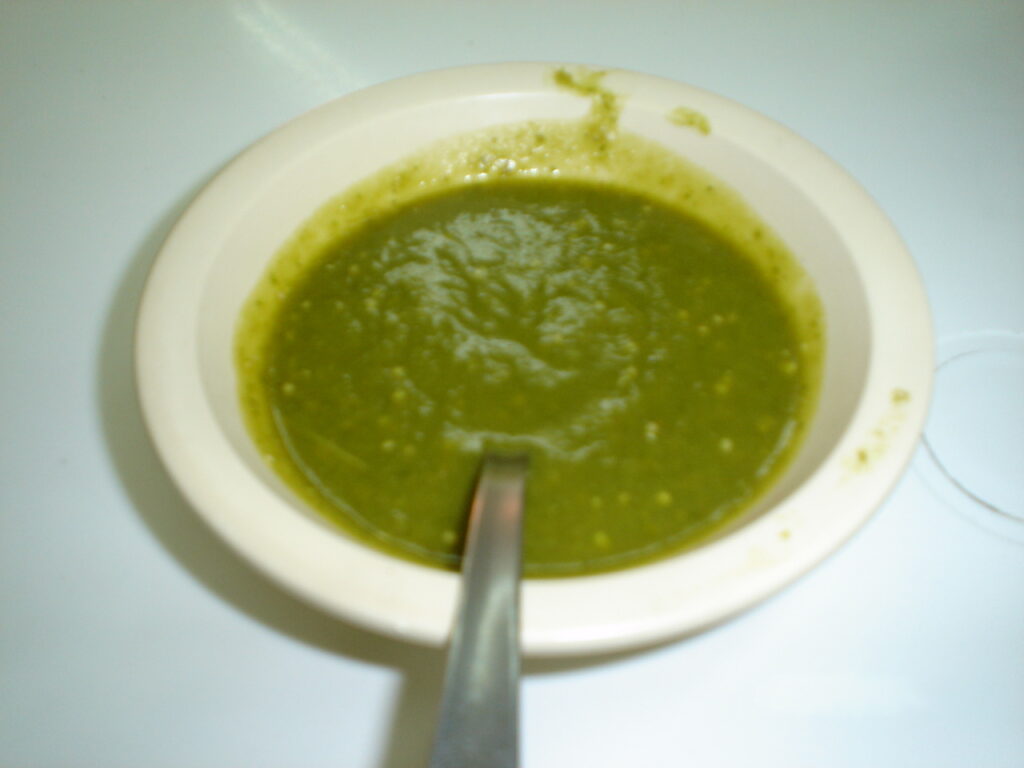
A bowl of salsa verde
Photo: No machine-readable author provided. JED / Wikimedia Commons (CC BY-SA 2.5)

Salsa is a seasoning, not a sauce

The same goes for salsa. At a taquería, the salsa bar is a spice rack, not a gravy boat. A small spoonful of the right salsa lifts a taco; a ladle of it turns the tortilla to mush. Learn what each salsa is for, and our three essential salsas and salsa heat guide are good places to start, and use them with intention.

A simple rule

Here is a rule of thumb I use when building tacos at home or judging them at a restaurant. Can you name what each component contributes? If an ingredient is there only because it looks nice or because it was in the fridge, leave it off.

RoleExamples
Main fillingCarnitas, al pastor, grilled mushrooms
CrunchOnion, radish, cabbage
FreshnessCilantro, lime
Acid or heatSalsa, pickled onions, pickled jalapeños
Richness (optional)Crema, cheese, avocado

Four or five components, each doing one job. That is usually where the best tacos live.

In fairness to the maximalists

There are wonderful exceptions. A loaded Tex-Mex puffy taco is a glorious thing. So is a Baja taco stand with a dozen toppings you choose from yourself. The point is that every addition should be a decision, not a reflex.

Taste the meat first, then decide what it needs.

Advice from nearly every taquero we have ever asked

Disagree? Tell us. The best argument we receive might end up in our next reader mailbag. In the meantime, look up any term you do not know in our taco glossary.

Written by Elena Ruiz · Categorized: Opinion · Tagged: Al Pastor, Cilantro, Salsa, Street Food, White Onion

Oct 09 2026

Game-Day Carne Asada Taco Bar for a Crowd

Football season in Texas means Saturdays spent in parking lots and backyards with a grill going and a cooler full of drinks. After years of burgers and brisket, our crew has settled on the perfect tailgate meal: a build-your-own carne asada taco bar. It feeds a lot of people, it scales easily, and nearly everything can be prepped the night before.

The key is a bright, citrusy marinade and a very hot grill. Skirt or flank steak cooks in minutes, so you can keep a steady stream of fresh tacos coming for the whole first half.

MarinatePrepGrillYield
4 to 12 hours45 minutes10 minutes per batchAbout 36 tacos (serves 12)

Ingredients

Carne asada

  • 5 lb skirt or flank steak
  • 1 cup fresh orange juice
  • 1/2 cup fresh lime juice
  • 1/4 cup olive oil
  • 6 garlic cloves, minced
  • 2 jalapeños, minced
  • 1 bunch cilantro, chopped
  • 2 teaspoons ground cumin
  • 1 tablespoon kosher salt
  • 2 teaspoons black pepper

For the bar

  • 40 corn tortillas (plus a pack of flour for the holdouts)
  • 2 white onions, finely chopped
  • 2 bunches cilantro, chopped
  • Guacamole (6 ripe avocados)
  • Salsa verde and salsa roja
  • Pickled red onions
  • Sliced radishes and lime wedges
  • Grilled green onions (cebollitas)

Instructions

  1. Make the marinade. Whisk together the citrus juices, oil, garlic, jalapeños, cilantro, cumin, salt and pepper.
  2. Marinate the steak. Place the steak in large zip-top bags, pour in the marinade, press out the air and refrigerate 4 to 12 hours. Do not go longer than 12; the citrus will make the texture mushy.
  3. Prep the bar the night before. Chop onion and cilantro, pickle the onions, make your salsas and store everything in lidded containers. Our three essential salsas all keep well overnight.
  4. Heat the grill. Get a charcoal or gas grill as hot as it will go. Remove the steak from the marinade and pat it dry.
  5. Grill in batches. Cook the steak 3 to 5 minutes per side for medium, until well charred. Grill the green onions alongside.
  6. Rest and slice. Rest the steak 5 minutes, then slice thinly against the grain and chop into bite-size pieces.
  7. Warm the tortillas on the grill grate for 20 to 30 seconds per side and keep them in a towel-lined cooler or tortilla warmer.
  8. Make the guacamole last so it stays green: mash avocados with lime, salt, onion, cilantro and minced serrano.
A bowl of salsa verde
Photo: No machine-readable author provided. JED / Wikimedia Commons (CC BY-SA 2.5)

Tailgate logistics

  • Keep cold things cold. Toppings go in a cooler until serving; set them out in small batches and refill.
  • Label your salsas. Guests appreciate knowing which is mild and which is hot. Our salsa heat guide can help you rank them.
  • Bring a cutting board and a sharp knife. Chopping the steak on site keeps it juicy.
  • Pack foil. Leftover meat goes home wrapped and becomes tomorrow’s breakfast tacos.

Slice against the grain, chop it small, and get it into a warm tortilla fast. That is the whole secret.

Elena, TacoProject

Shopping list by the numbers

GuestsSteakTortillasAvocados
62.5 lb203
125 lb406
208 lb6510
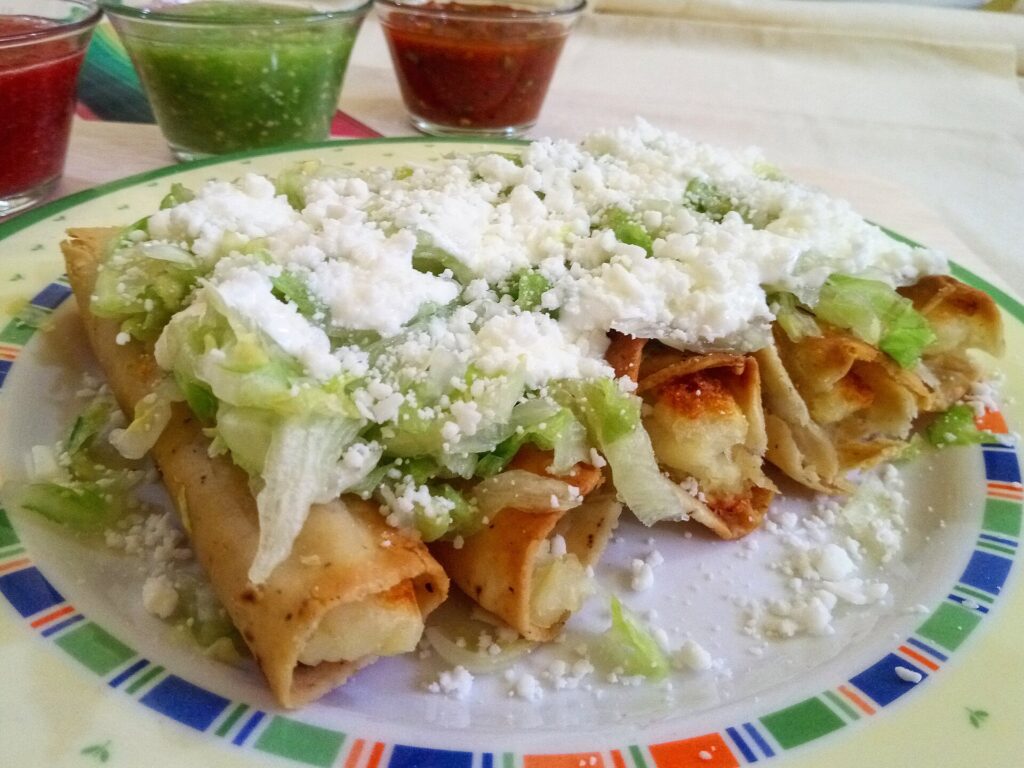
Crispy tacos dorados
Photo: Dahyana Yasada R. R. / Wikimedia Commons (CC BY-SA 4.0)

Want to add a crispy element? Leftover carne asada makes excellent tacos dorados: roll the meat in tortillas, secure with toothpicks and pan-fry until golden. They hold up well in a foil pan for late arrivals.

Frequently asked questions

Skirt or flank steak?

Outside skirt steak is the classic choice and has more flavor and fat. Flank is leaner and easier to find. Both work; just slice either one thinly against the grain.

Can I cook this on a griddle?

Yes. A flat-top griddle or large cast-iron skillet works well. Cook in small batches so the pan stays very hot and the meat sears rather than steams.

How do I keep tortillas warm for a crowd?

Wrap stacks of warm tortillas in a clean kitchen towel and place them in a small, empty cooler. They will stay warm and pliable for an hour or more.


Serving a big group regularly? A good press makes homemade tortillas fast. Check out the gear in our shop.

Shop TacoProject gear

Written by Elena Ruiz · Categorized: Recipes · Tagged: carne asada, Guacamole, Lime, Salsa Verde, Taco Night, tailgate

Oct 06 2026

Review: Taquería Doña Chela Brings Michoacán Carnitas to East Riverside

There is a particular smell that tells you a taquería takes its carnitas seriously: pork slowly simmering in its own fat, with a hint of orange and a little caramelized sugar at the edges. It hits you in the parking lot of Taquería Doña Chela, a small, bright spot tucked into a strip center on East Riverside Drive, well before you open the door.

The restaurant has been open for a little over a year, and word has spread mostly the old-fashioned way. We visited three times over two weeks, at lunch on a weekday, on a Saturday morning, and on a busy Friday evening, to see how it holds up.

The carnitas

Doña Chela’s family comes from Michoacán, the state most associated with carnitas, and the kitchen follows the traditional method: pork shoulder, belly and a few other cuts cooked for hours in a large copper cazo until the meat is meltingly tender and the outside turns crisp and golden. You order by the cut or ask for surtida, a mix, which is what we recommend on a first visit.

The meat is chopped to order on a wooden block and piled onto doubled corn tortillas. It is juicy without being greasy, with crackly bits scattered throughout, and it needs nothing more than a spoonful of salsa verde, onion and cilantro. On all three visits the carnitas were consistent, which is the hardest thing for any taquería to get right.

Carnitas taco on a small plate
Photo: Jan Mark Holzer / Wikimedia Commons (CC BY 2.0)

Beyond the pork

The menu is short. Besides carnitas, there is a solid al pastor, cooked on a small trompo that only goes up on Friday and Saturday evenings, a rich beef barbacoa on weekend mornings, and a rotating guisado of the day. The rajas con crema was a standout, and a good option for vegetarians. Tortillas are made in-house with masa from a local mill, and you can taste the difference.

The salsa bar is modest but thoughtful: a bright tomatillo salsa verde, a smoky salsa roja with chile de árbol, pickled jalapeños and carrots, and radishes. If you want to understand the heat levels before you commit, our salsa heat guide roughly maps to what you will find here.

The carnitas were consistent all three visits, which is the hardest thing for any taquería to get right.

Elena, TacoProject

Atmosphere and service

The dining room seats about 30, with a handful of picnic tables outside under string lights. Service is counter-style and friendly; on our Saturday visit, one of Doña Chela’s grandsons walked us through the cuts and handed us a taste of cuerito (braised pork skin) to try. Lines get long after 7 p.m. on Fridays, but they move quickly.

A traditional taqueria
Photo: Myyo / Wikimedia Commons (Public domain)

The scorecard

CategoryRatingNotes
Carnitas5/5Crisp, juicy, consistent
Tortillas4.5/5Made in-house, great texture
Salsas4/5Small selection, well balanced
Value4.5/5Tacos around $3.50 each; plates about $14
Service4/5Warm and quick, long weekend lines

What to order

  • Carnitas surtida tacos
  • Rajas con crema taco
  • Weekend barbacoa with consommé
  • Agua fresca de jamaica

Good to know

  • Open Tuesday through Sunday, closed Mondays
  • Al pastor on Friday and Saturday evenings only
  • Carnitas by the pound for takeout
  • Parking in the shared lot

The verdict

Taquería Doña Chela is a place that knows exactly what it wants to be. It does not try to do everything, and what it does, it does extremely well. If you love carnitas, this is now one of the first places we would send you in Austin.

Want to compare? Our own taquería directory lists our other favorites around town, and if you are inspired to try carnitas at home, we have a recipe coming later this season.

Browse the taquería directory

Written by Elena Ruiz · Categorized: Reviews · Tagged: Austin, Carnitas, Michoacán, Salsa Verde, Street Food

Jul 15 2026

Where Does the Word “Taco” Come From?

People have been wrapping food in corn tortillas in Mexico for a very long time. The word taco, however, is surprisingly young, and the leading theory about where it came from involves explosives.

A plug, a wad, a charge

In Spanish, taco has long meant a plug, wad or stopper, the kind of thing you jam into a hole. It is also a billiard cue and, in some places, a heel on a shoe. The food sense is a Mexican development.

The mining theory

Historian Jeffrey M. Pilcher, author of Planet Taco, points to the silver mines of 18th-century Mexico. There, workers used “tacos”: charges of gunpowder wrapped in paper and packed into holes drilled in rock. A rolled tortilla stuffed with filling looks remarkably similar. One of the early named varieties was tacos de minero, “miner’s tacos.” Bonus: a good salsa still produces a small explosion.

A tacos de canasta street stall
Photo: B.jars / Wikimedia Commons (CC BY-SA 4.0)

What about Nahuatl?

You will sometimes read that taco comes from the Nahuatl word tlahco, meaning “half” or “middle.” It is a fun idea, but most linguists consider it unlikely; the Spanish meaning fits the evidence better.

A rough timeline

WhenWhat happened
Thousands of years agoMesoamericans develop nixtamalized corn and tortillas
1700sSilver miners in Mexico call paper-wrapped gunpowder charges “tacos”
Late 1800sThe food sense of “taco” starts appearing in Mexican writing, including in Manuel Payno’s novel Los bandidos de Río Frío
Early 1900sMigrants carry tacos to Mexico City and the word shows up in U.S. newspapers
Mid-1900sPre-formed hard shells and Tex-Mex chains spread tacos across the U.S.
TodayTacos are everywhere, and every day is technically Taco Tuesday somewhere

Hungry now? Start with our recipes.

Browse Taco History

Written by Elena Ruiz · Categorized: Taco History · Tagged: History, Street Food

  • Page 1
  • Page 2
  • Go to Next Page »
  • About
  • Contact
  • FAQ
  • Taco Glossary
  • Privacy Policy

Copyright © 2026 · Altitude Pro on Genesis Framework · WordPress · Log in