Día de Muertos, observed on November 1 and 2, is one of the most meaningful celebrations in Mexico and across Mexican communities in the United States, including here in Austin. It is a time when families remember and welcome back the spirits of loved ones who have died. It is not a Mexican Halloween, and it is not a somber occasion. It is a reunion, full of color, music, stories and, above all, food.
At the center of the celebration is the ofrenda, a home altar built to honor the dead. Families place photographs, candles, marigolds and personal objects on it, along with the favorite foods and drinks of those they are remembering. This post is a guide to those foods and what they mean.
The structure of an ofrenda
Ofrendas vary widely by region and family, but many include several tiers representing the earth and the heavens, and incorporate the four elements: water to quench the thirst of spirits after their journey, candles for fire, papel picado that moves with the wind, and food representing the earth. Bright orange cempasúchil (marigold) petals are often laid in a path to guide the spirits home, their color and scent said to lead the way.
The foods and what they mean
Pan de muerto
The best-known food of the season is pan de muerto, a soft, slightly sweet bread flavored with orange blossom water or orange zest and topped with sugar. The strips of dough across the top are often described as bones, and the ball in the center as a skull or a tear. Regional versions vary: in parts of Oaxaca, the bread is decorated with a small painted face, while in Michoacán and elsewhere you will find different shapes and flavors.
Tamales
Tamales are prepared in large quantities because they are made to be shared with family, neighbors and visitors. Making tamales together, a tamalada, is part of the celebration. Fillings range from pork in red chile to chicken in salsa verde to sweet versions with raisins.
Mole
Mole is a festive dish reserved for special occasions, and few occasions are more important. In Puebla and Oaxaca, a family’s mole recipe may go back generations. Mole negro, with its dozens of ingredients including chiles, chocolate, nuts and spices, is especially associated with the celebration in Oaxaca.

Atole and champurrado
Warm, thick drinks made from masa, atole and its chocolate version, champurrado, are served during the cool nights of early November. They are often placed on the ofrenda alongside water, coffee and sometimes the favorite beer or mezcal of the person being remembered.
Sugar skulls and fruit
Calaveras de azúcar, decorated sugar skulls, sometimes bear the name of the deceased. Seasonal fruit like oranges, guavas, tejocotes and sugar cane are also common, as is sweet candied pumpkin, calabaza en tacha.
The ofrenda is not a display. It is an invitation, and food is how you set the table for a guest you love.
Marcus, TacoProject
Regional traditions
| Region | Notable foods | Tradition |
|---|---|---|
| Oaxaca | Mole negro, pan de yema, chocolate | Elaborate ofrendas and cemetery vigils |
| Michoacán | Corundas, atole, charales | Candlelit vigils at Lake Pátzcuaro |
| Yucatán | Mucbipollo (pib tamal) | Hanal Pixán, the “food of the souls” |
| Mexico City | Pan de muerto, tamales | Public altars and neighborhood celebrations |
| Puebla | Mole poblano, pan de muerto | Family altars, often multi-tiered |
In the Yucatán, the celebration is called Hanal Pixán, and families bake a large tamal called mucbipollo in an underground pib oven, the same technique behind cochinita pibil. Read more in our Yucatán guide.
Where do tacos fit in?
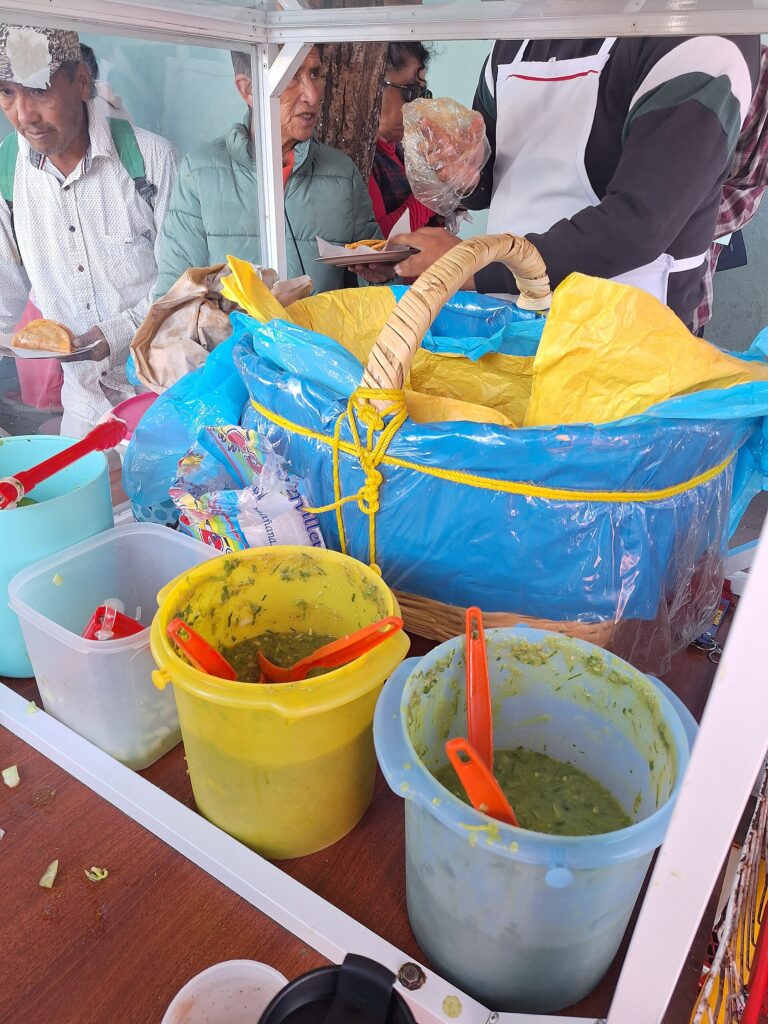
Tacos are not traditionally an ofrenda food, but they are very much a part of the gatherings that surround the holiday. Families visiting cemeteries often bring food to share, and in Mexico City, vendors selling tacos de canasta, soft steamed tacos carried in cloth-lined baskets, are a familiar sight at gatherings of all kinds. If a loved one’s favorite food was a plate of tacos from a certain stand, that may well end up on the ofrenda too.

Celebrating respectfully
- Learn about the traditions and their meaning before participating.
- If you are invited to see a family’s ofrenda, treat it with the same respect you would any memorial.
- Avoid treating the holiday as a costume party or conflating it with Halloween.
- Support local Mexican bakeries during the season; many make pan de muerto only in late October and early November.
- Consider building a small ofrenda of your own for someone you have lost.
This weekend we will share details on our community ofrenda here in Austin. In the meantime, explore more of the stories behind the food in our regional styles hub and taco glossary.