Walk into any taquería in Mexico City after dark and you will see it: a glowing, rust-red cone of pork turning slowly next to a vertical flame, a pineapple perched on top. Al pastor feels like the most Mexican food imaginable. But its roots are in the eastern Mediterranean.
[Read more…] about How Lebanese Immigrants Gave Mexico Al PastorHistory
Thirty Years at the Trompo: A Q&A with Don Rigoberto
We sat down (well, stood; he never sits) with Don Rigoberto between the lunch and dinner rushes to talk about three decades of carving al pastor.

The Complete Guide to Taco Fillings, A to Z
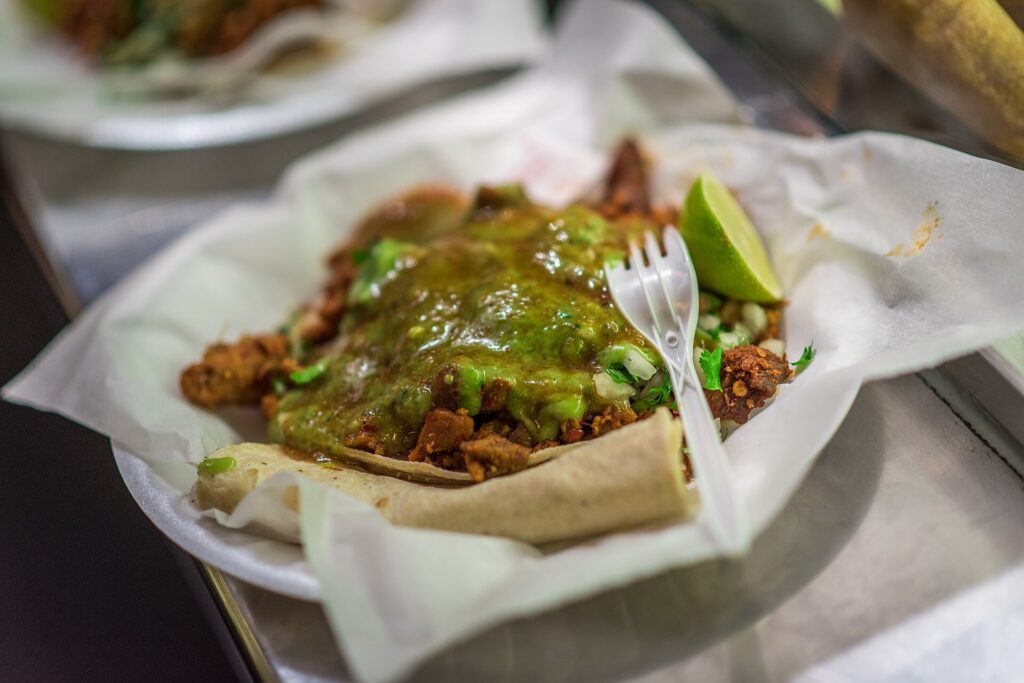
Walk up to any serious taqueria and the menu board can look like a vocabulary test. Suadero, cabeza, buche, tripa, lengua, campechano: every word is a filling, and every filling has its own history, technique and ideal salsa. This guide is our attempt to put the whole alphabet on one page, from adobada to zarandeado, with notes on how each one is cooked, where it comes from and what we like to eat it with.
It is not a complete encyclopedia. Mexico has thousands of regional variations, and any taquero will happily tell you that their version is the correct one. Think of this as a field guide: enough to order confidently, cook a few at home and know what you are looking at when a new truck opens down the street.
[Read more…] about The Complete Guide to Taco Fillings, A to Z¿Maíz o Harina? Las Tortillas del Norte y del Sur
¡Pocas preguntas dividen tanto a una mesa como esta! ¿Maíz o harina? En México, la respuesta depende en gran parte de dónde creciste.

El sur y el centro: el reino del maíz
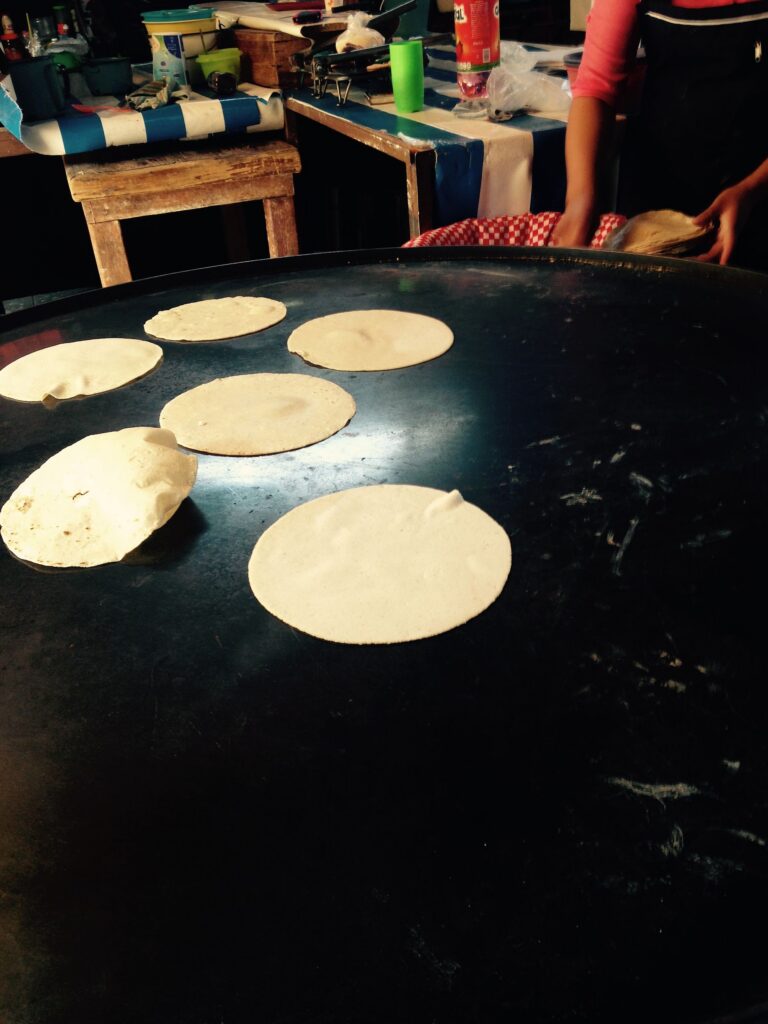
La tortilla de maíz tiene miles de años de historia. Su secreto es la nixtamalización: el maíz se cuece con agua y cal, se deja reposar y luego se muele para formar la masa. Este proceso mejora el sabor, el aroma y el valor nutritivo del grano.
En Oaxaca, las tlayudas son tortillas enormes y crujientes. En la Ciudad de México, las taquerías usan tortillas pequeñas, casi siempre dobles, para que el taco no se rompa. Y en Yucatán, las tortillas acompañan la cochinita pibil y los panuchos.
El norte: la tierra de la harina
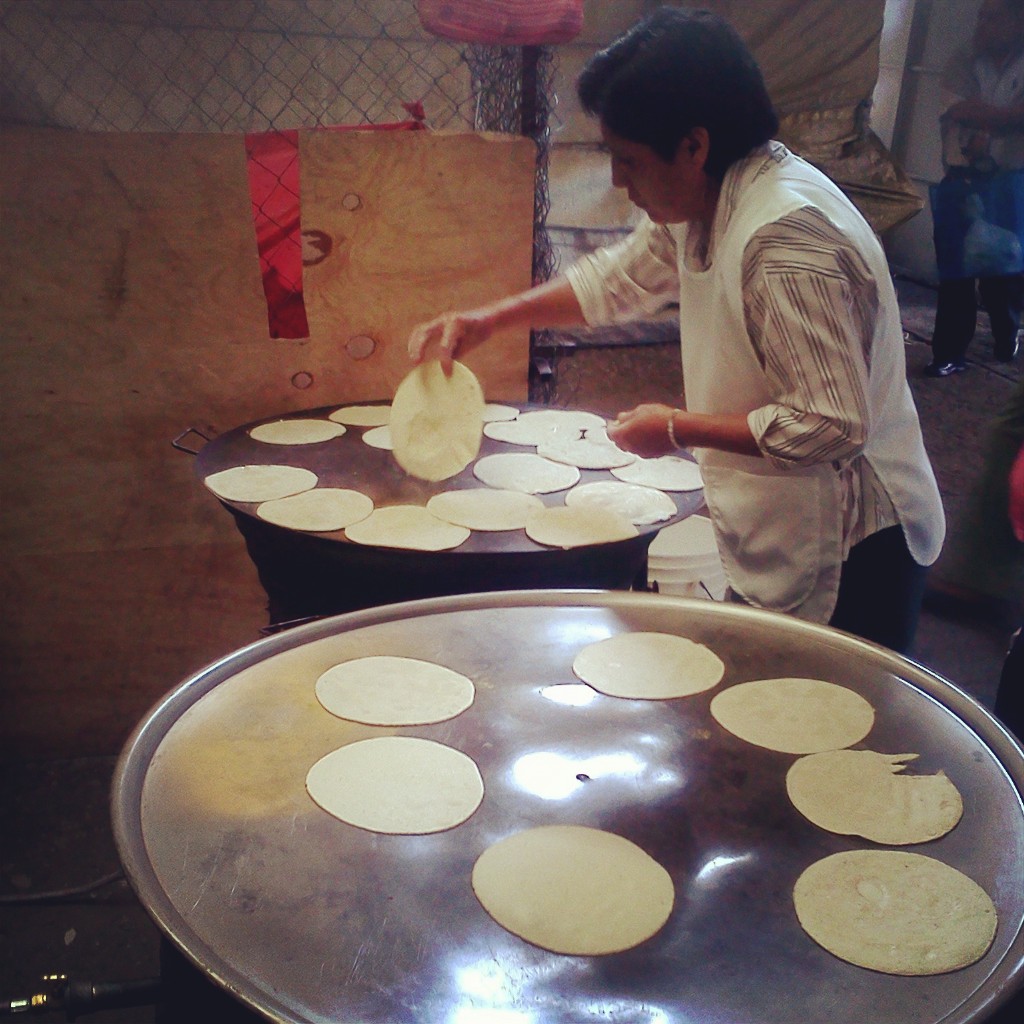
En Sonora, Chihuahua y otros estados del norte, el trigo llegó con los españoles y encontró un clima ideal. Así nació la tortilla de harina: suave, flexible y hecha con harina, manteca, sal y agua tibia.
Las famosas tortillas sobaqueras de Sonora son tan delgadas y grandes que casi se transparentan. Son perfectas para la carne asada y los burritos.

| Maíz | Harina | |
|---|---|---|
| Región | Centro y sur | Norte |
| Ingredientes | Maíz nixtamalizado, agua | Harina de trigo, manteca, sal, agua |
| Tacos ideales | Al pastor, suadero, carnitas | Carne asada, machaca, frijoles |
Sin maíz no hay país.
Dicho popular mexicano
¿Y nuestra respuesta? Las dos. Depende del taco, del día y del antojo. ¿Cuál prefieres tú?
Tacos Árabes and Shawarma: عربي Roots
In the early decades of the twentieth century, immigrants from Lebanon, Iraq and other parts of the Middle East settled in Mexico, many of them in the city of Puebla. They brought with them the technique of roasting meat on a vertical spit, the same method behind shawarma.
By the 1930s, Puebla taquerias were serving tacos árabes: pork marinated with herbs and spices, roasted on a spit and wrapped in a soft, pita-like flatbread called pan árabe. They are served with a smoky chipotle salsa and a squeeze of lime. Decades later, cooks in Mexico City adapted the idea with a red chile marinade and corn tortillas, and al pastor was born.
In Arabic
وصل التاكو العربي إلى مدينة بويبلا في المكسيك مع المهاجرين القادمين من لبنان والعراق في أوائل القرن العشرين. يُشوى اللحم على سيخ عمودي، تمامًا مثل الشاورما.
Translation: Tacos árabes arrived in the city of Puebla, Mexico, with immigrants from Lebanon and Iraq in the early twentieth century. The meat is roasted on a vertical spit, just like shawarma.
الطعام الجيد يجمع الناس.
Good food brings people together
And in Hebrew
שווארמה וטאקו – שני מאכלי רחוב אהובים עם שורשים משותפים.
Translation: Shawarma and tacos: two beloved street foods with shared roots.
What to order in Puebla
- Tacos árabes with chipotle salsa
- Pan árabe on the side for wrapping
- A cold horchata or agua de jamaica
Cinco de Mayo Is Not Mexican Independence Day
Every year, someone at the party raises a glass “to Mexican independence.” It is time to set the record straight.
What Cinco de Mayo actually commemorates
On May 5, 1862, the Mexican army under General Ignacio Zaragoza defeated a larger and better-equipped French force at the Battle of Puebla. France had invaded Mexico after the government of President Benito Juárez suspended payments on foreign debt.
The victory was a huge morale boost, but it did not end the war. French troops took Mexico City the following year and installed the Austrian archduke Maximilian as emperor. French forces withdrew in 1867, and Maximilian’s government collapsed soon after.
So when is Independence Day?
Mexican Independence Day is September 16. It marks the Grito de Dolores in 1810, when the priest Miguel Hidalgo y Costilla called for an uprising against Spanish rule. Independence was finally achieved in 1821.
| Date | Event | Year |
|---|---|---|
| May 5 | Battle of Puebla | 1862 |
| September 16 | Grito de Dolores, start of the War of Independence | 1810 |
| September 27 | Army of the Three Guarantees enters Mexico City | 1821 |
Why is it bigger in the United States?
In Mexico, Cinco de Mayo is celebrated most enthusiastically in the state of Puebla. In the United States, it became a celebration of Mexican-American culture and pride, especially from the 1960s onward, and later a major marketing moment for restaurants and beverage companies.
Celebrate it, by all means. Eat tacos from Puebla, like tacos árabes or chalupas. Just save the independence toast for September.