• Skip to main content

TacoProject

Taco recipes, taquería reviews and regional guides from Austin: al pastor, birria, breakfast tacos, salsas and the stories behind them.

  • Start Here
  • Recipes
  • Styles
    • Baja California
    • Tex-Mex
    • Mexico City
    • Yucatán
  • Reviews
    • The List
    • Taquerías
    • Taco Finder
  • Guides
    • Taco Glossary
    • Salsa Heat Guide
    • Party Taco Calculator
    • Taco FAQ
    • Salsa Library
  • Gallery
  • Shop
    • My Account
    • Cart
  • About
    • Events
    • Contact
    • Privacy Policy

Nov 03 2026

Stop Drowning Your Tacos: The Case for Restraint

I want to talk about the taco I was served last week. It was on a menu at a popular spot I will not name, and it had, by my count, nine components: braised short rib, pickled fresno chiles, cotija, a chipotle aioli, a mango salsa, crispy shallots, microgreens, a drizzle of balsamic reduction and a scattering of sesame seeds. It cost $8. It was fine. I could not tell you what the short rib tasted like.

This is not a rant against creativity. I love a thoughtful, modern taco as much as anyone. But I think we have developed a habit, especially in the United States, of assuming that more means better. It usually does not.

The taco is a system, not a pile

Look at the taco al pastor as it is served at a good stand in Mexico City: a small corn tortilla, a few slices of marinated pork from the trompo, a sliver of pineapple, chopped onion and cilantro, and a spoonful of salsa. Every element has a job. The onion adds crunch and bite, the cilantro freshness, the pineapple acidity and sweetness, the salsa heat. Nothing is there for decoration. Remove any one and the taco suffers; add three more and it collapses.

A great taco is not built by adding. It is built by knowing what to leave out.

Elena, TacoProject

Where it goes wrong

  • Too many sauces. Two creamy sauces on one taco cancel each other out. Pick one.
  • Toppings that fight. Mango salsa on a smoky, rich braise often just adds sugar.
  • Overfilling. A taco you cannot pick up is a plate of food with a tortilla under it.
  • Ignoring the tortilla. If the tortilla is an afterthought, no amount of garnish will save the taco.

What restraint looks like

Restraint does not mean plain. It means choosing. A slow-cooked birria is best with a little onion, cilantro, lime and its own consommé; our birria recipe adds nothing else. Good carnitas need salsa verde and not much more. A Baja fish taco earns its cabbage and crema because they cool and contrast the hot, crisp batter.
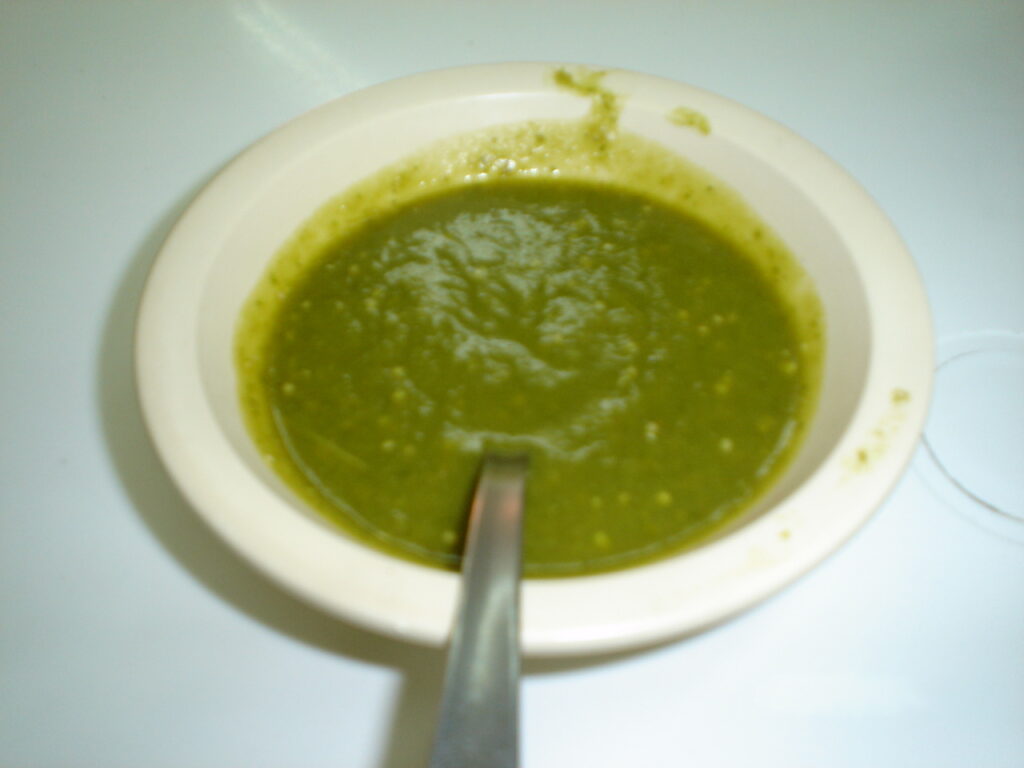
A bowl of salsa verde
Photo: No machine-readable author provided. JED / Wikimedia Commons (CC BY-SA 2.5)

Salsa is a seasoning, not a sauce

The same goes for salsa. At a taquería, the salsa bar is a spice rack, not a gravy boat. A small spoonful of the right salsa lifts a taco; a ladle of it turns the tortilla to mush. Learn what each salsa is for, and our three essential salsas and salsa heat guide are good places to start, and use them with intention.

A simple rule

Here is a rule of thumb I use when building tacos at home or judging them at a restaurant. Can you name what each component contributes? If an ingredient is there only because it looks nice or because it was in the fridge, leave it off.

RoleExamples
Main fillingCarnitas, al pastor, grilled mushrooms
CrunchOnion, radish, cabbage
FreshnessCilantro, lime
Acid or heatSalsa, pickled onions, pickled jalapeños
Richness (optional)Crema, cheese, avocado

Four or five components, each doing one job. That is usually where the best tacos live.

In fairness to the maximalists

There are wonderful exceptions. A loaded Tex-Mex puffy taco is a glorious thing. So is a Baja taco stand with a dozen toppings you choose from yourself. The point is that every addition should be a decision, not a reflex.

Taste the meat first, then decide what it needs.

Advice from nearly every taquero we have ever asked

Disagree? Tell us. The best argument we receive might end up in our next reader mailbag. In the meantime, look up any term you do not know in our taco glossary.
Written by Elena Ruiz · Categorized: Opinion · Tagged: Al Pastor, Cilantro, Salsa, Street Food, White Onion

Oct 30 2026

Our Community Ofrenda Returns to East Austin on November 1

For the second year, TacoProject is hosting a community ofrenda for Día de Muertos, and you are invited. Join us on Sunday, November 1, from 4 to 8 p.m. at the patio of Taquería Doña Chela on East Riverside Drive, whose family has once again generously offered their space.

Everyone is welcome to bring a photo, a written note or a small object in memory of someone they have lost, whether a family member, friend or companion animal. Volunteers will help place items on the altar, and everything will be returned at the end of the evening.

What to expect

  • Pan de muerto from a neighborhood panadería
  • Champurrado, coffee and horchata
  • Marigolds and papel picado to add to the altar
  • A short talk from Marcus on the history of the ofrenda at 5 p.m.
  • Tacos available for purchase from the Doña Chela kitchen
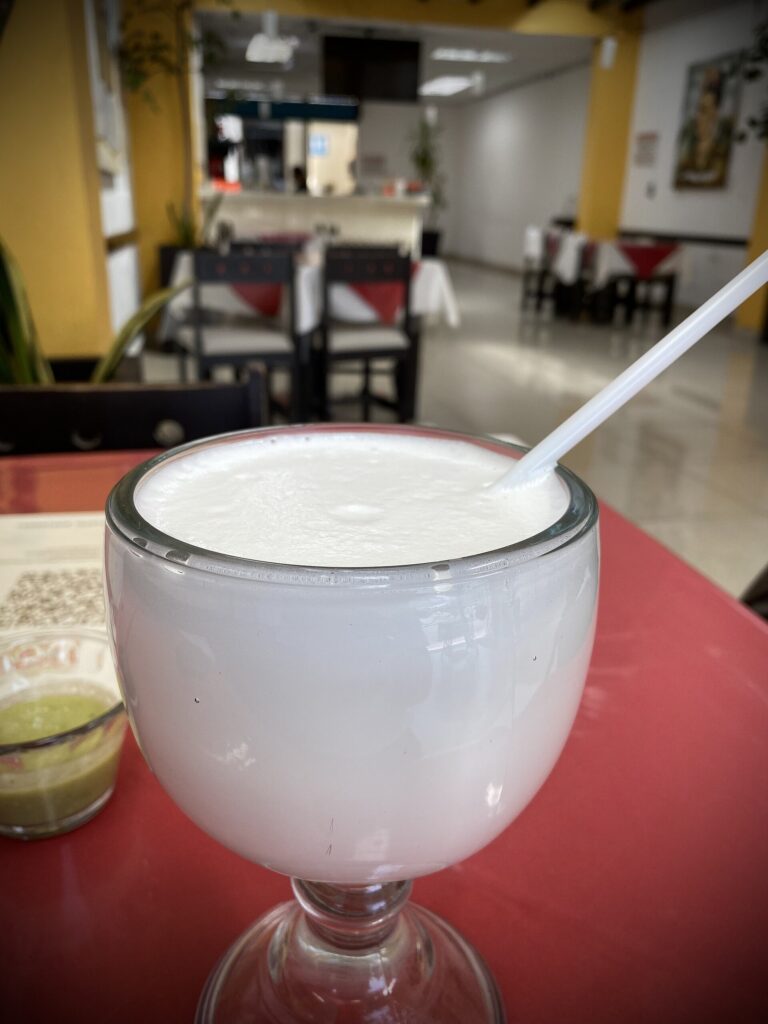
A glass of horchata
Photo: Sharon Hahn Darlin / Wikimedia Commons (CC BY 2.0)

Last year more than 150 neighbors stopped by, and the altar grew to fill two long tables with photos, candles, pan dulce and handwritten notes. It was one of the most moving evenings we have shared as a community, and we are grateful to everyone who brought a story to tell.

The event is free and family friendly. Parking is limited, so we encourage carpooling or biking. New to the tradition? Read our guide to the foods of the ofrenda before you come.

Read the ofrenda guide

Written by Jamie Okafor · Categorized: Events · Tagged: Austin, Día de Muertos, Horchata

Oct 27 2026

Día de Muertos: The Foods of the Ofrenda, Explained

Día de Muertos, observed on November 1 and 2, is one of the most meaningful celebrations in Mexico and across Mexican communities in the United States, including here in Austin. It is a time when families remember and welcome back the spirits of loved ones who have died. It is not a Mexican Halloween, and it is not a somber occasion. It is a reunion, full of color, music, stories and, above all, food.

At the center of the celebration is the ofrenda, a home altar built to honor the dead. Families place photographs, candles, marigolds and personal objects on it, along with the favorite foods and drinks of those they are remembering. This post is a guide to those foods and what they mean.

The structure of an ofrenda

Ofrendas vary widely by region and family, but many include several tiers representing the earth and the heavens, and incorporate the four elements: water to quench the thirst of spirits after their journey, candles for fire, papel picado that moves with the wind, and food representing the earth. Bright orange cempasúchil (marigold) petals are often laid in a path to guide the spirits home, their color and scent said to lead the way.

The foods and what they mean

Pan de muerto

The best-known food of the season is pan de muerto, a soft, slightly sweet bread flavored with orange blossom water or orange zest and topped with sugar. The strips of dough across the top are often described as bones, and the ball in the center as a skull or a tear. Regional versions vary: in parts of Oaxaca, the bread is decorated with a small painted face, while in Michoacán and elsewhere you will find different shapes and flavors.

Tamales

Tamales are prepared in large quantities because they are made to be shared with family, neighbors and visitors. Making tamales together, a tamalada, is part of the celebration. Fillings range from pork in red chile to chicken in salsa verde to sweet versions with raisins.

Mole

Mole is a festive dish reserved for special occasions, and few occasions are more important. In Puebla and Oaxaca, a family’s mole recipe may go back generations. Mole negro, with its dozens of ingredients including chiles, chocolate, nuts and spices, is especially associated with the celebration in Oaxaca.

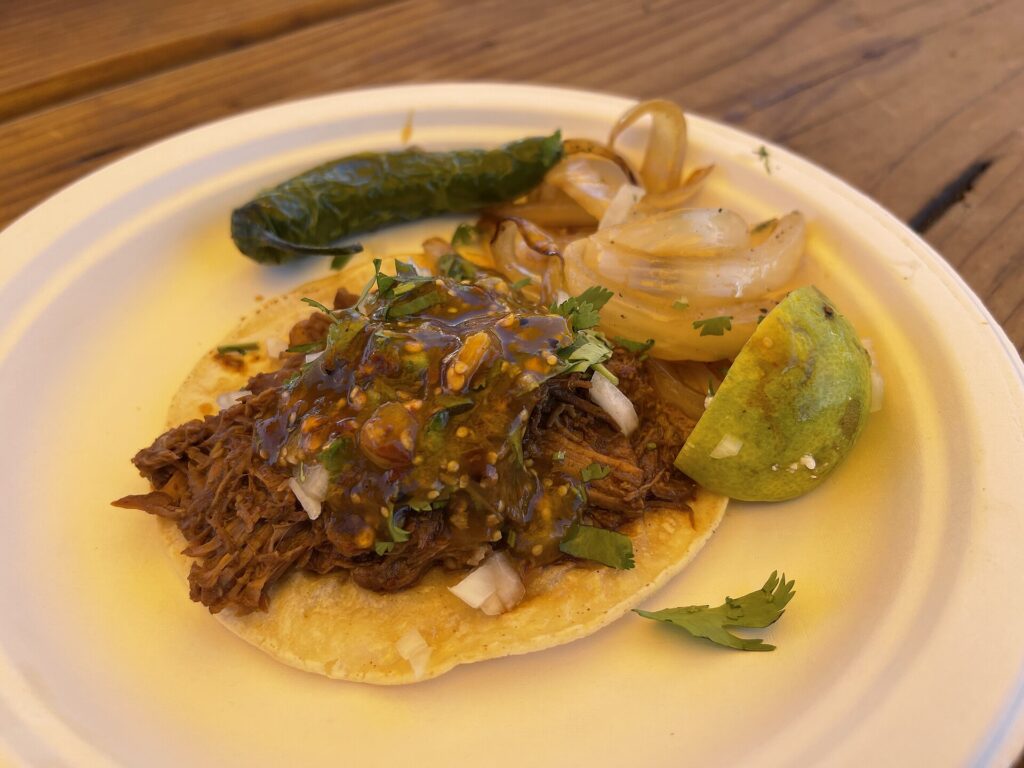
A barbacoa taco
Photo: Missvain / Wikimedia Commons (CC BY 4.0)

Atole and champurrado

Warm, thick drinks made from masa, atole and its chocolate version, champurrado, are served during the cool nights of early November. They are often placed on the ofrenda alongside water, coffee and sometimes the favorite beer or mezcal of the person being remembered.

Sugar skulls and fruit

Calaveras de azúcar, decorated sugar skulls, sometimes bear the name of the deceased. Seasonal fruit like oranges, guavas, tejocotes and sugar cane are also common, as is sweet candied pumpkin, calabaza en tacha.

The ofrenda is not a display. It is an invitation, and food is how you set the table for a guest you love.

Marcus, TacoProject

Regional traditions

RegionNotable foodsTradition
OaxacaMole negro, pan de yema, chocolateElaborate ofrendas and cemetery vigils
MichoacánCorundas, atole, charalesCandlelit vigils at Lake Pátzcuaro
YucatánMucbipollo (pib tamal)Hanal Pixán, the “food of the souls”
Mexico CityPan de muerto, tamalesPublic altars and neighborhood celebrations
PueblaMole poblano, pan de muertoFamily altars, often multi-tiered

In the Yucatán, the celebration is called Hanal Pixán, and families bake a large tamal called mucbipollo in an underground pib oven, the same technique behind cochinita pibil. Read more in our Yucatán guide.

Where do tacos fit in?

Tacos are not traditionally an ofrenda food, but they are very much a part of the gatherings that surround the holiday. Families visiting cemeteries often bring food to share, and in Mexico City, vendors selling tacos de canasta, soft steamed tacos carried in cloth-lined baskets, are a familiar sight at gatherings of all kinds. If a loved one’s favorite food was a plate of tacos from a certain stand, that may well end up on the ofrenda too.

A tacos de canasta street stall
Photo: B.jars / Wikimedia Commons (CC BY-SA 4.0)

Celebrating respectfully

  • Learn about the traditions and their meaning before participating.
  • If you are invited to see a family’s ofrenda, treat it with the same respect you would any memorial.
  • Avoid treating the holiday as a costume party or conflating it with Halloween.
  • Support local Mexican bakeries during the season; many make pan de muerto only in late October and early November.
  • Consider building a small ofrenda of your own for someone you have lost.

This weekend we will share details on our community ofrenda here in Austin. In the meantime, explore more of the stories behind the food in our regional styles hub and taco glossary.

Written by Marcus Bell · Categorized: Taco History · Tagged: Barbacoa, Día de Muertos, History, Mexico City, Tacos de Canasta

Oct 23 2026

Halloween Taco Night: Black Bean and Sweet Potato Tacos Dorados with Salsa Negra

Halloween in our house means an early dinner before trick-or-treating, and it needs to be fast, filling and a little bit dramatic. These crispy rolled tacos check every box. The filling is a mash of black beans and roasted sweet potato, the tortillas fry up golden and crackly, and they come to the table with a pool of glossy, nearly black salsa negra that looks spooky and tastes smoky and deep.

Salsa negra is made by frying dried chiles until they are very dark, then blending them with garlic, oil and a touch of sweetness. It is closer to a chile oil than a fresh salsa, and a little goes a long way.

PrepCookTotalYield
25 minutes45 minutes1 hour 10 minutes16 tacos dorados (4 to 6 servings)

Ingredients

Tacos dorados

  • 1 large sweet potato (about 1 lb)
  • 1 can (15 oz) black beans, drained and rinsed
  • 1 teaspoon ground cumin
  • 1/2 teaspoon chipotle powder
  • 1/2 teaspoon salt
  • 1/2 cup crumbled queso fresco (optional)
  • 16 corn tortillas
  • Neutral oil for frying

Salsa negra

  • 10 dried chiles de árbol, stemmed
  • 2 dried guajillo chiles, stemmed and seeded
  • 4 garlic cloves, peeled
  • 1/2 cup neutral oil
  • 1 tablespoon piloncillo or brown sugar
  • 1 tablespoon cider vinegar
  • 1/2 teaspoon salt

To serve

  • Shredded lettuce or cabbage
  • Crema
  • Sliced radishes
  • Guacamole

Instructions

  1. Roast the sweet potato. Prick the sweet potato and roast at 400°F for 40 to 45 minutes, or microwave 8 to 10 minutes, until very soft.
  2. Make the salsa negra. Heat the oil in a small skillet over medium-low. Fry the garlic until golden, then remove. Add the chiles and fry, stirring constantly, until very dark red to nearly black, about 1 minute. Watch closely; you want them deeply toasted, not burnt to ash.
  3. Blend the salsa. Blend the chiles, garlic and oil with the sugar, vinegar, salt and 1/4 cup water until smooth. It will be thick and glossy.
  4. Make the filling. Scoop the sweet potato flesh into a bowl. Add the beans, cumin, chipotle and salt and mash until mostly smooth. Fold in the queso fresco if using.
  5. Soften the tortillas. Warm the tortillas in a microwave under a damp towel for 45 seconds, or briefly on a comal, so they roll without cracking.
  6. Roll. Spread 2 heaping tablespoons of filling along one edge of each tortilla, roll tightly and secure with a toothpick.
  7. Fry. Heat 1/2 inch of oil in a heavy skillet to 350°F. Fry the tacos seam-side down first, turning, until golden and crisp all over, 3 to 4 minutes. Drain on a rack.
  8. Serve topped with lettuce, crema and radishes, with salsa negra for drizzling or dipping.
A bowl of fresh guacamole
Photo: Nikodem Nijaki / Wikimedia Commons (CC BY-SA 3.0)

Make it a Halloween spread

  • Guacamole monsters: give kids a bowl of guacamole and let them build faces with radish slices and olive eyes.
  • Crema spiderwebs: pipe concentric circles of crema on the salsa negra, then drag a toothpick outward to make a web.
  • Horchata for the table: a big pitcher of cinnamon-spiced horchata cools things down after all that chile.

Salsa negra looks spooky and tastes smoky. It is the perfect Halloween condiment.

Sofia, TacoProject

Air fryer or oven method

For less oil, brush the rolled tacos with oil and bake on a rack at 425°F for 15 to 18 minutes, or air fry at 400°F for 8 to 10 minutes, turning once. They will be slightly less blistered but still very crisp.

Frequently asked questions

How spicy is salsa negra?

It is quite spicy, with deep smoky flavor. For less heat, use fewer chiles de árbol and more guajillos. See our salsa heat guide for the relative heat of each chile.

Can I make these ahead?

Roll them up to a day ahead and refrigerate, covered. Fry just before serving. Fried tacos can be reheated in a 400°F oven for about 8 minutes.

How long does salsa negra keep?

Because it is oil-based, it keeps in a sealed jar in the refrigerator for up to 2 weeks.


Want the tortillas to be homemade? Our corn tortilla guide explains how to make them sturdy enough for frying.

More salsas

Written by Sofia Tran · Categorized: Recipes, Vegetarian Recipes · Tagged: Chile de Árbol, Crispy, Halloween, Taco Night, Tacos Dorados, Vegetarian

Oct 20 2026

Seven Austin Taco Trucks Worth the Drive This Fall

When the temperature finally drops below 90 and patio season comes back to Austin, I start spending my evenings chasing taco trucks. The city’s truck scene changes constantly: new spots appear in brewery lots, veterans move across town, and a few quietly get better every year.

I visited more than 20 trucks over the past two months to put together this list. These are the seven I keep coming back to. Prices were accurate at the time of my visits, and hours can change, so check each truck’s social media before you head out.

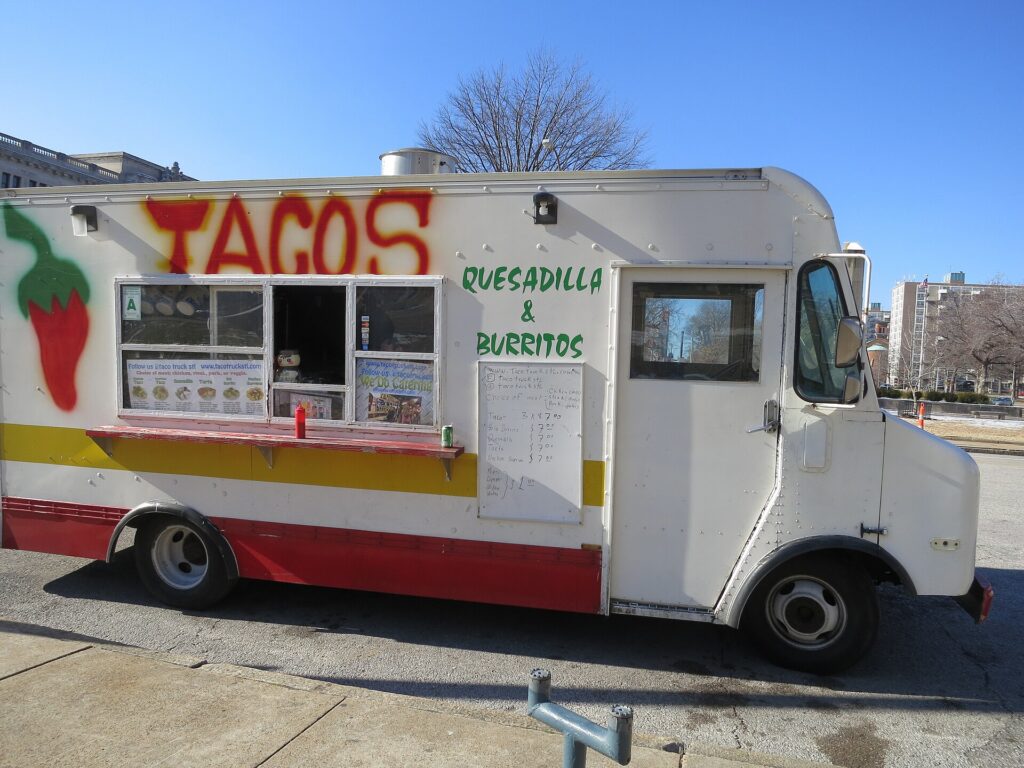
A taco truck parked on a city street
Photo: Paul Sableman / Wikimedia Commons (CC BY 2.0)

1. Trompo Rey (North Lamar)

The spit is the first thing you see: a proper trompo of chile-marinated pork, crowned with a pineapple and turning in the window. The taquero shaves meat directly onto small corn tortillas with a flick of pineapple. Order at least four al pastor tacos ($2.75 each) and add a gringa if you are hungry. Compare it with our homemade al pastor and you will understand why the spit matters.

2. Birrieria Los Primos (Dove Springs)

A family-run truck that sells out most weekends by 2 p.m. The quesabirria is crisp and cheesy, and the consommé comes out rich and deeply spiced. Get an extra cup of consommé for dipping; you will want it. If you want to recreate the experience, our birria de res recipe is a good start.

3. El Madrugador (East Seventh)

Breakfast tacos from 6 a.m. on flour tortillas pressed on the truck. The chorizo, egg and potato taco is textbook, and the machacado con huevo, dried beef scrambled with egg, tomato and chile, is a Northern Mexico classic you do not see often enough in Austin.

4. Mariscos La Ola (Riverside)

Battered fish and shrimp tacos in the Ensenada style, with a do-it-yourself salsa and cabbage bar. The shrimp tacos gobernador, filled with shrimp and melted cheese and crisped on the flat-top, are the move. Read about the style in our Baja regional guide.

A taco truck in New Orleans
Photo: Infrogmation of New Orleans / Wikimedia Commons (CC BY-SA 4.0)

5. Suadero Chilango (South Congress)

Mexico City street tacos cooked in a choricera, the dome-shaped pan where suadero, longaniza and tripa bubble in fat. Try the campechano, a mix of suadero and longaniza. It is the closest thing to a late-night stand in CDMX I have found in Texas. See our Mexico City guide for background.

6. Yuca y Maíz (Montopolis)

Cochinita pibil tacos and panuchos from a Yucatecan family, served with pickled red onion and a habanero salsa that means business. The weekend relleno negro is a rarity worth planning for.

7. Verde Vivo (Mueller)

An all-vegetarian truck with a menu built around seasonal Texas produce. This fall, the roasted squash and mole taco and the mushroom al pastor are both excellent, and the handmade blue corn tortillas are some of the best in town.

The best taco trucks are not the ones with the longest lines. They are the ones that are still great on a slow Tuesday.

Jamie, TacoProject

Quick comparison

TruckNeighborhoodOrder thisPrice range
Trompo ReyNorth LamarAl pastor$
Birrieria Los PrimosDove SpringsQuesabirria + consommé$$
El MadrugadorEast SeventhMachacado con huevo$
Mariscos La OlaRiversideTacos gobernador$$
Suadero ChilangoSouth CongressCampechano$
Yuca y MaízMontopolisCochinita pibil$
Verde VivoMuellerMushroom al pastor$$

Truck etiquette

  • Bring cash; many trucks take cards, but not all, and card readers go down.
  • Order everything at once if the line is long.
  • Tip. Many truck crews rely on it.
  • Be patient during rushes. Good tacos are made to order.

Did we miss your favorite? We update our taquería and truck directory regularly, and reader tips have led us to some of our favorite spots.

Browse the directory

Written by Jamie Okafor · Categorized: Events, Reviews · Tagged: Al Pastor, Austin, Breakfast Tacos, Street Food, Taco Truck

Oct 16 2026

Salsa of the Month: Taquería-Style Avocado Salsa Verde

Every month we pick one salsa to cook, taste and obsess over. For October, we are making the pale green, silky salsa that sits in squeeze bottles at so many taquerías across Texas and northern Mexico. It is not guacamole and it is not a standard salsa verde. It lives somewhere in between: tangy from tomatillos, rich from avocado, and thin enough to drizzle.

It is the salsa people ask about most. It goes with nearly everything, from carnitas and carne asada to fish tacos and breakfast tacos, and it takes ten minutes. If you have already made the classic tomatillo salsa from our three essential salsas post, this is its creamy cousin.

PrepCookYieldHeat
10 minutes10 minutesAbout 2 cupsMedium

Ingredients

  • 1/2 lb tomatillos (about 5 medium), husked and rinsed
  • 1 to 2 serrano chiles, stemmed (use 1 for medium heat)
  • 1 garlic clove
  • 1 large ripe avocado
  • 1/2 cup cilantro leaves and tender stems
  • Juice of 1 lime
  • 1 teaspoon kosher salt, plus more to taste
  • 1/4 to 1/2 cup water

Instructions

  1. Simmer the tomatillos and chiles. Place tomatillos and serranos in a small saucepan, cover with water and simmer until the tomatillos turn olive green and soften, 6 to 8 minutes. Do not let them burst.
  2. Cool slightly. Drain and let cool for a few minutes. Hot tomatillos can turn avocado brown.
  3. Blend. Add tomatillos, serranos, garlic, avocado, cilantro, lime juice and salt to a blender with 1/4 cup water. Blend until completely smooth.
  4. Adjust. Add more water for a pourable consistency, and season with salt and lime. It should taste bright and a little too salty on its own; it will balance out on a taco.
  5. Chill. Transfer to a squeeze bottle or jar and refrigerate at least 20 minutes before serving.
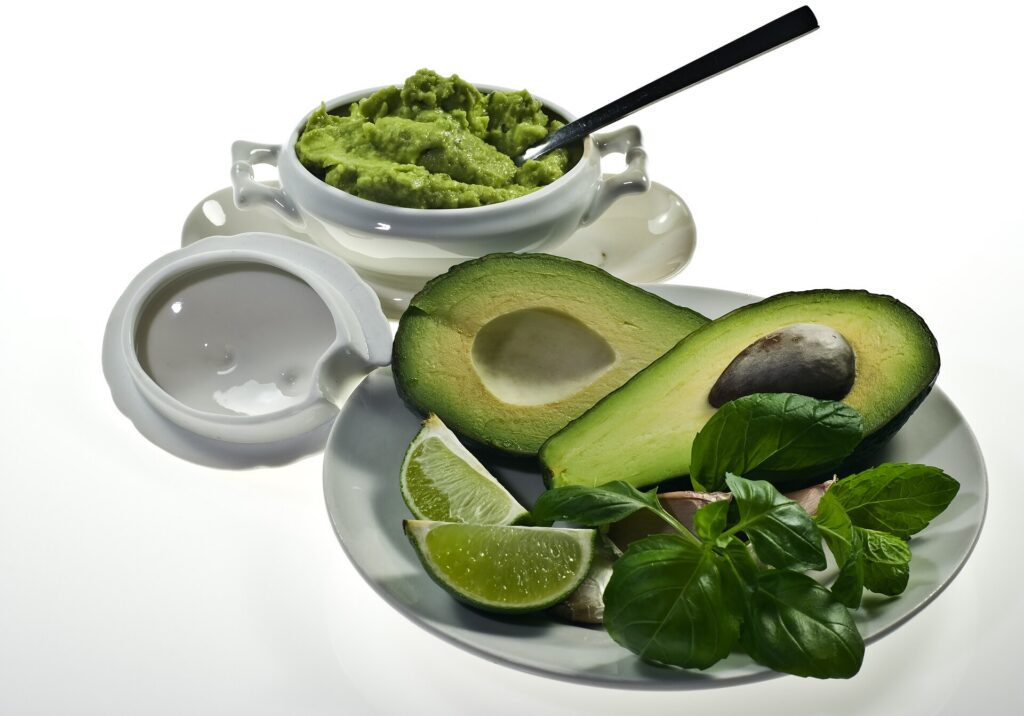
A bowl of fresh guacamole
Photo: Nikodem Nijaki / Wikimedia Commons (CC BY-SA 3.0)

Variations

Raw (cruda)

Skip the simmer and blend raw tomatillos for a sharper, more acidic salsa. Great with fish and seafood.

Roasted

Char the tomatillos and chiles under the broiler for a smoky, deeper flavor. Excellent with grilled meats.

Extra creamy

Add a spoonful of Mexican crema or a few tablespoons of oil while blending for a richer, emulsified salsa.

It should taste a little too salty on its own. On a taco, it will be exactly right.

Sofia, TacoProject

What to pair it with

  • Crispy carnitas or al pastor
  • Grilled carne asada and cebollitas
  • Battered fish tacos in the Baja style
  • Egg and potato breakfast tacos
  • Tortilla chips, obviously

A little history

Avocado-based table salsas have been part of northern Mexican taquerías for generations, where they were a thrifty way to stretch expensive avocados into a sauce that could dress dozens of tacos. The squeeze-bottle version spread north with taqueros who opened shops across Texas and California, and today many diners know it simply as the green sauce. Every taquería has its own ratio, and some add a little cooked onion or a splash of the tomatillo cooking water.

Why does it separate?

If you see a little water pooling after a day in the fridge, just shake or stir. If you want it fully stable, blend in a tablespoon of neutral oil at the end to create an emulsion. The lime and tomatillo acid help keep the color, but it is always best within two days.

Frequently asked questions

How long does avocado salsa verde keep?

Up to 3 days in the refrigerator in an airtight container. Press plastic wrap against the surface to limit browning.

Can I make it without avocado?

Yes; without avocado it becomes a classic cooked salsa verde. For creaminess without avocado, blend in a small handful of toasted pepitas.

How spicy is it?

With one serrano, it is medium. Remove the seeds to tame it or add a jalapeño or second serrano for more heat. Our salsa heat guide compares common chiles.


Next month brings something darker and smokier. Follow along and build your own salsa library one month at a time.

See the salsa heat guide

Written by Sofia Tran · Categorized: Recipes, Salsas & Toppings · Tagged: Cilantro, Guacamole, Quick & Easy, Salsa, salsa of the month, Salsa Verde

  • « Go to Previous Page
  • Page 1
  • Page 2
  • Page 3
  • Page 4
  • Interim pages omitted …
  • Page 10
  • Go to Next Page »
  • About
  • Contact
  • FAQ
  • Taco Glossary
  • Privacy Policy

Copyright © 2026 · Altitude Pro on Genesis Framework · WordPress · Log in